☀️ The Hague Insider Summer Briefing: Dutch Prime Minister Rob Jetten — five months into an experiment

Every Saturday and Sunday this summer, The Hague Insider publishes a special Summer Briefing, taking a deep dive into the politicians, companies and policy issues shaping The Hague, Brussels and beyond. Today: Dutch Prime Minister Rob Jetten — the Netherlands' first D66 prime minister, the country's youngest-ever prime minister, and the first openly gay Prime Minister. Just five months into office, Jetten is trying to prove that a minority cabinet can govern in an era of fragmentation, geopolitical uncertainty and growing public frustration.
Our Summer Briefings are freely accessible during the summer period. If you'd like full access to our reporting, analysis and exclusive insights, we currently offer special summer subscription deals:
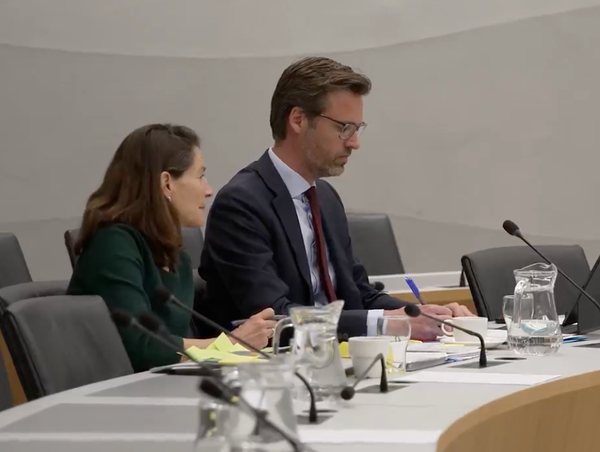
When Rob Jetten entered office earlier this year, he inherited a difficult political landscape. His minority cabinet was presented as a pragmatic answer to a fragmented parliament and an electorate weary of elections. Five months later, the picture remains mixed. The government has not yet delivered landmark legislation, but it has managed to put several politically sensitive dossiers on the rails.
One senior coalition source told The Hague Insider:
"The first months as prime minister, Jetten was clearly still finding his way. He attends too many meetings and wants to be involved in everything."
At the same time, insiders stress that almost nobody in The Hague currently wants early elections.
"D66 and CDA are committed to making this cabinet work. The biggest risk comes from the VVD and opposition parties. If they see an electoral opportunity, things could quickly become complicated."
Early achievements — and unfinished business
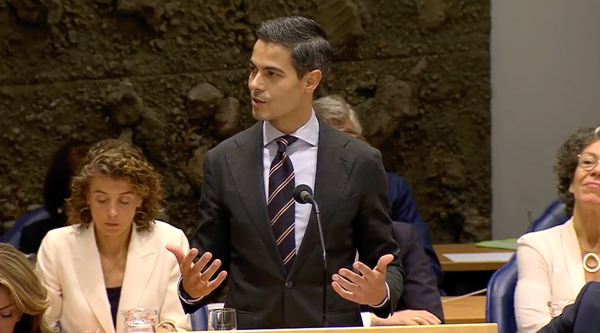
Among the most symbolic moments of Jetten's premiership was his apology to the Moluccan community, addressing a historical injustice that has shaped relations between the Dutch state and Moluccan families for decades.
 The Hague Insider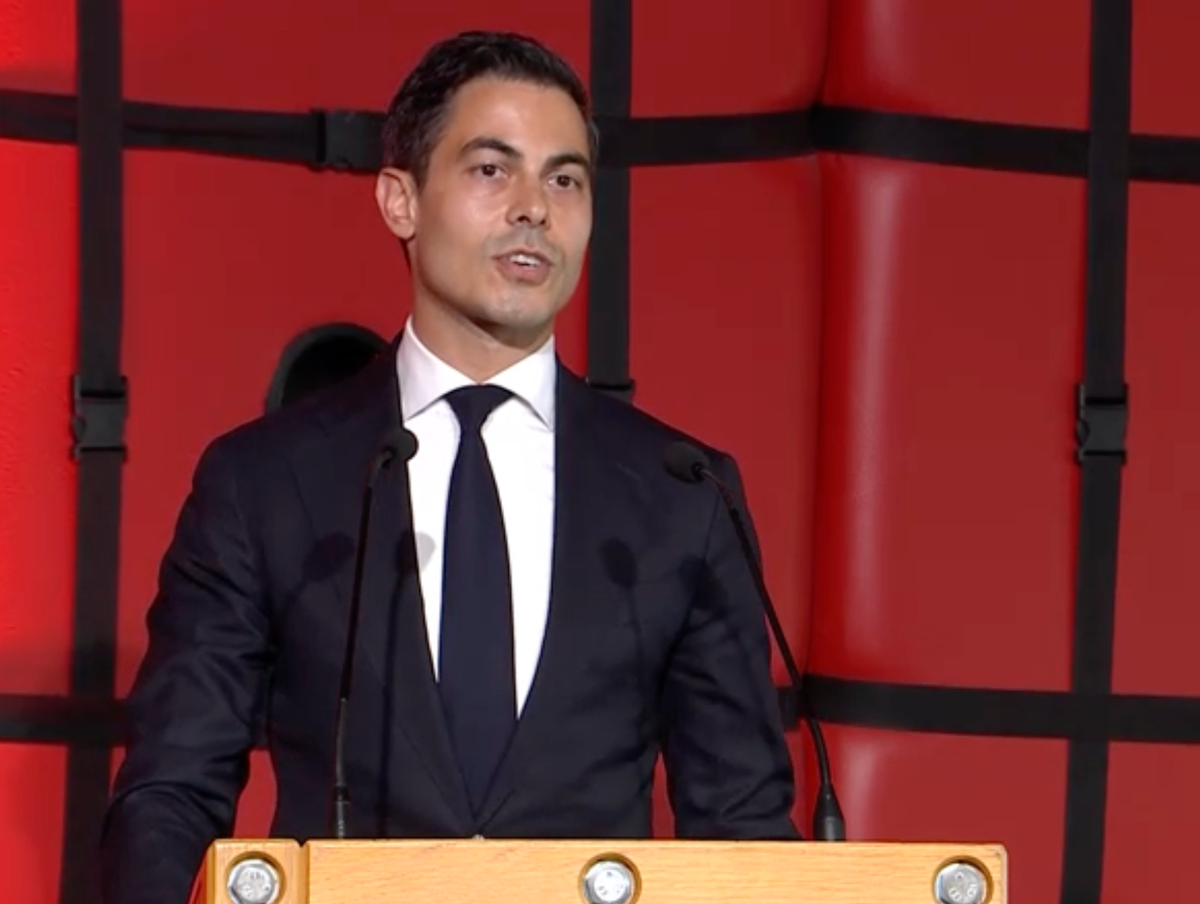
More politically consequential is the nitrogen dossier. The cabinet has largely kept the existing reduction targets intact and secured support from the progressive PRO party. In other words: on nitrogen policy, Jetten has chosen to govern "through the centre-left" rather than weaken existing plans.
 The Hague Insider
The question is whether farmers will accept that outcome. While large-scale protests currently appear unlikely, Dutch politics has repeatedly shown that rural discontent can re-emerge rapidly. Provinces, which will ultimately have to implement many measures, could become a new battleground.
Asylum remains even more politically explosive. The cabinet faces pressure to reduce arrivals, improve reception capacity and decide how it will enforce the controversial 'spreidingswet', the dispersal law.
 The Hague Insider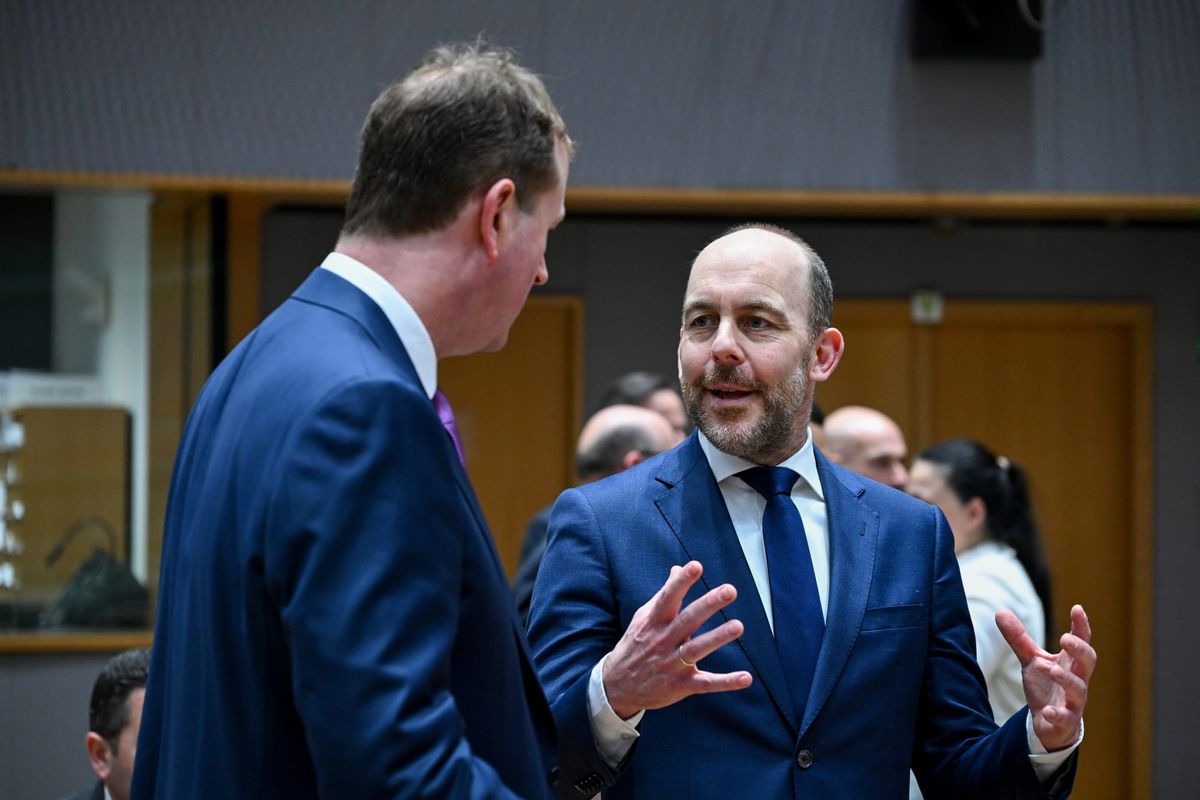
Polls, trust and the minority government dilemma
Jetten faces a structural problem: many voters remain dissatisfied with politics as a whole. The government's approval ratings reached historically low levels during its opening months.
 The Hague Insider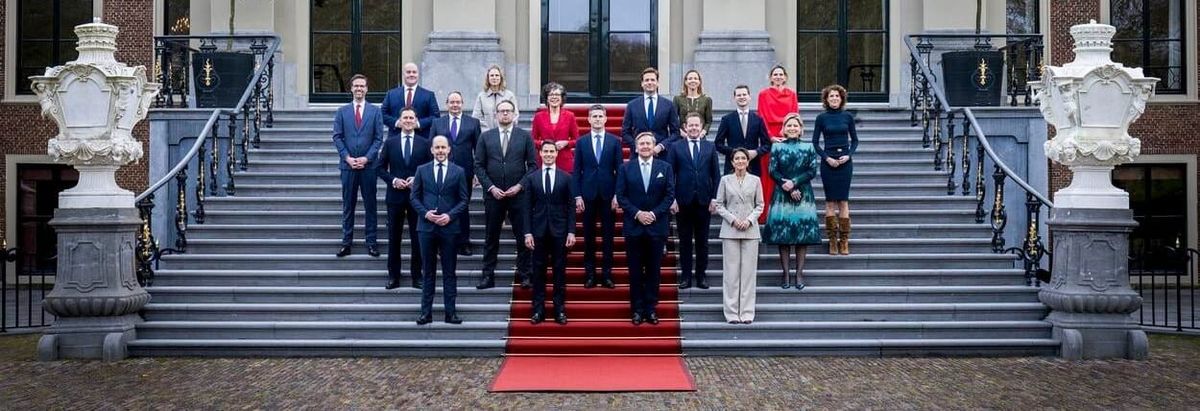
Yet political insiders repeatedly tell The Hague Insider that there is currently no realistic alternative coalition.
 The Hague Insider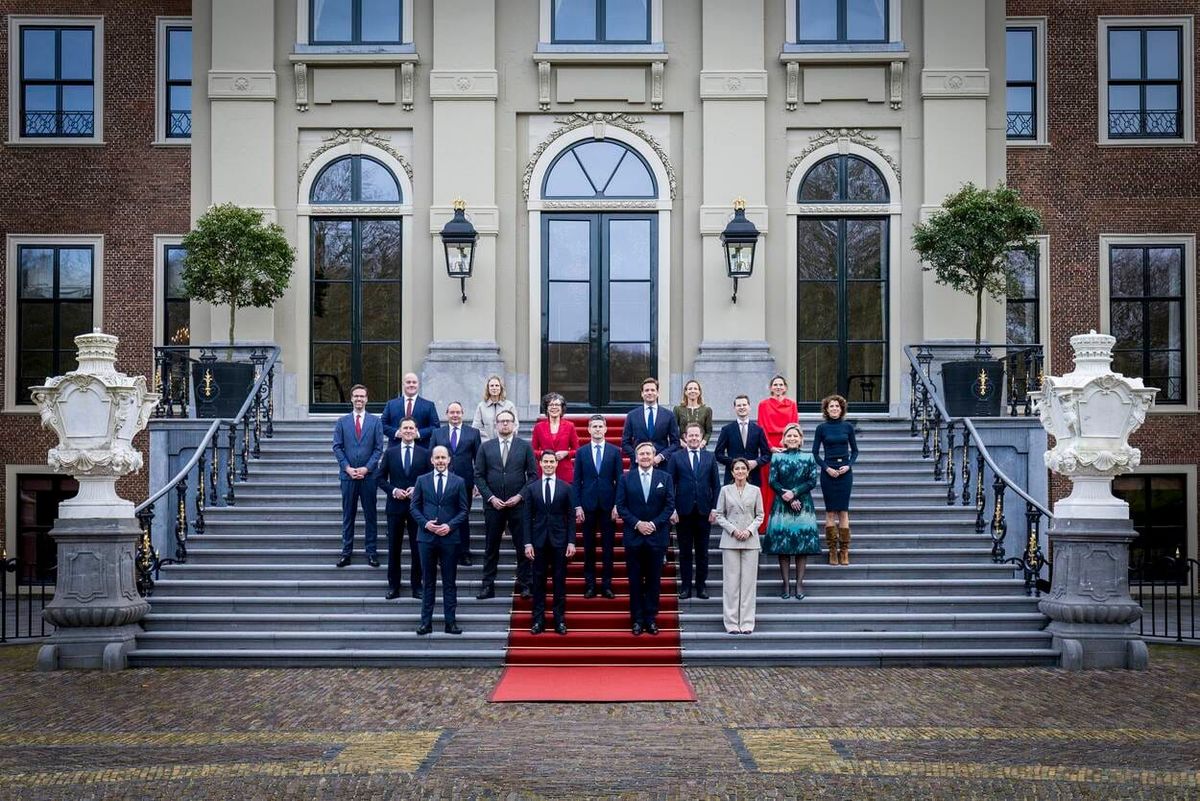
And shortly before the summer break, polling numbers showed a modest improvement for Jetten. The nitrogen agreement appears to have reassured some voters that the cabinet can still make decisions.
 The Hague Insider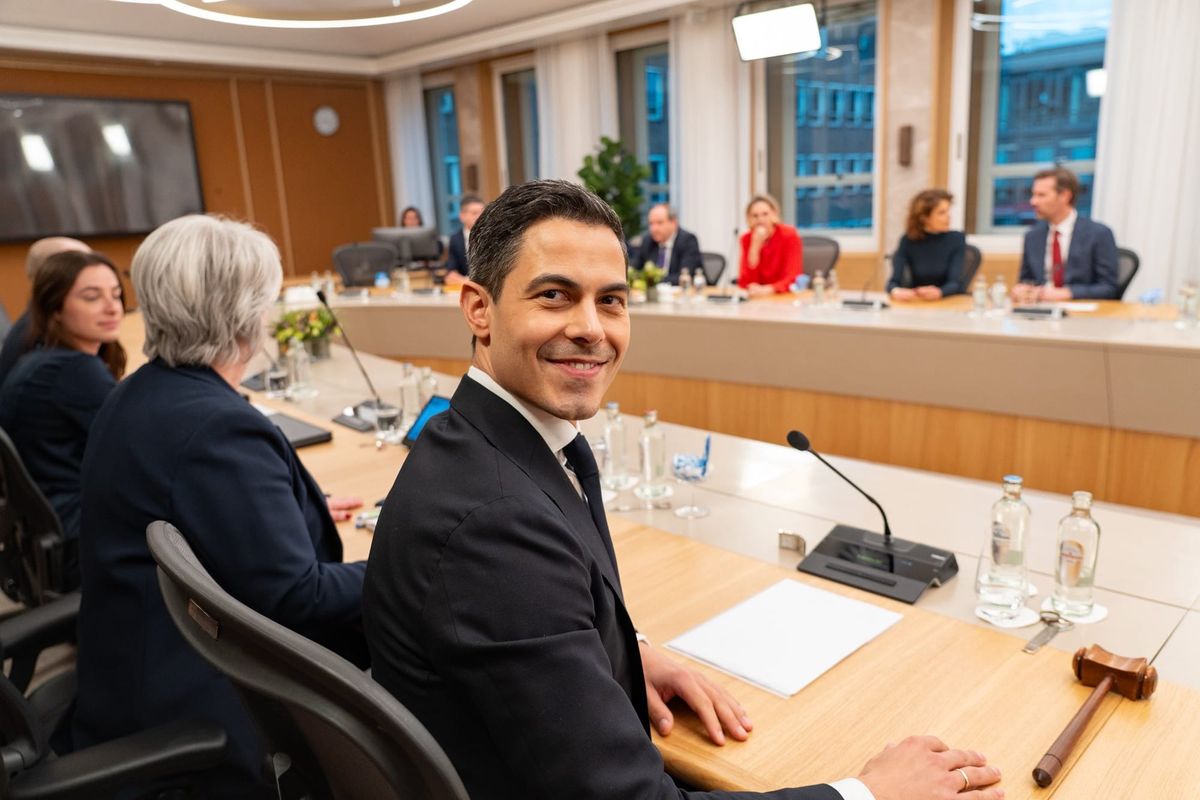
One experienced insider offered an prediction:
"Dutch prime ministers often govern for multiple terms. Think Kok, Balkenende and Rutte. So there is a good chance we could be looking at Jetten for the next ten years."
The first setback
Not everything has gone smoothly. Jetten's decision to continue with a Caribbean visit while asylum-related unrest dominated headlines at home created criticism inside and outside government circles.
 The Hague Insider
As one senior coalition source told The Hague Insider:
"This wasn't very smart. That message has been made clear to Jetten from several directions, inside the coalition."
The episode was relatively minor, but it served as a reminder that prime ministers are judged not only on policy, but also on symbolism and timing.
The autumn test
The real examination starts after the summer.
Budget negotiations at the end of August and throughout September will determine whether minority government can function over the longer term. Some ministers prefer cooperation with PRO and the centre-left. Others, especially within the VVD, would rather seek support from parties on the right.
According to one senior source:
"This autumn, Jetten's cabinet will be tested repeatedly: on the budget, on nitrogen and on asylum. That is when we'll find out whether the prime minister can really lead under pressure."
A more European Netherlands
On foreign policy, Jetten has sought to position the Netherlands as a more visible and engaged European partner.
His government has repeatedly emphasised cooperation with Germany and France and a stronger Dutch voice in Brussels.
 The Hague Insider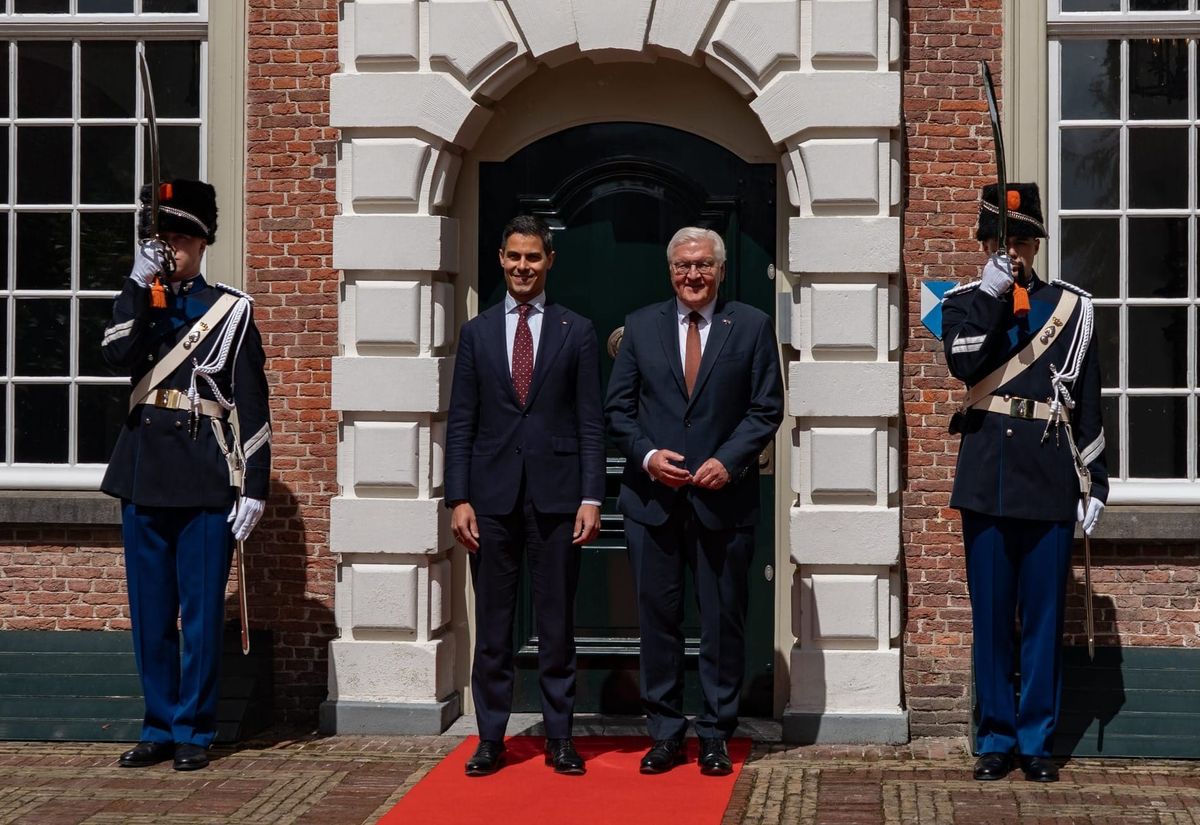
Yet this pro-European approach comes with limits. When negotiations turn to money, The Hague remains recognisably Dutch.
 The Hague Insider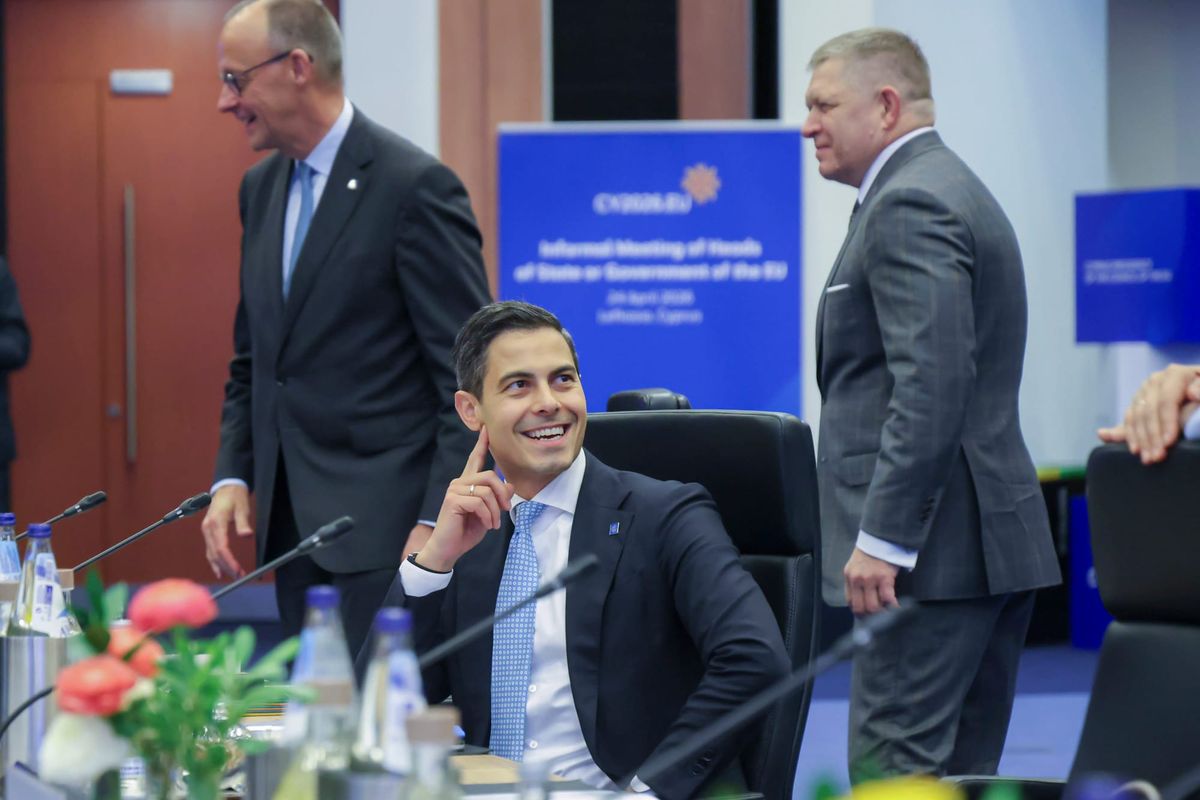
The same cautious pragmatism shapes Jetten's view on enlargement.
 The Hague Insider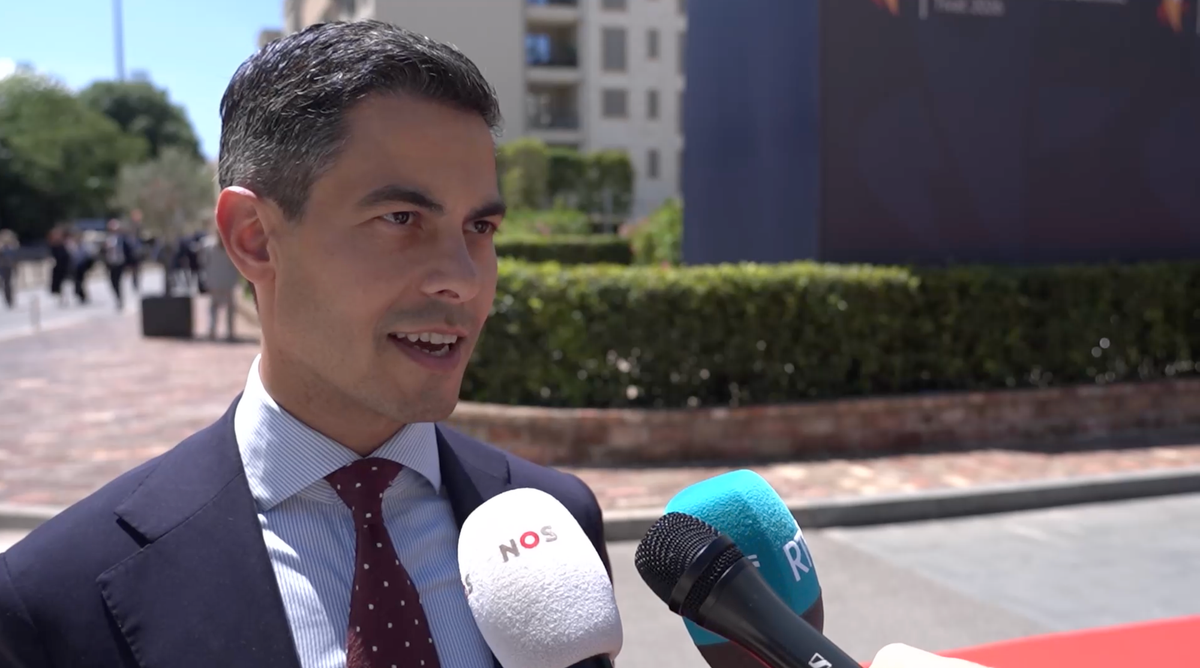
Iran, Ukraine and global crises
Within days of taking office, Jetten faced the conflict involving Iran, Israel and the United States. His government first emphasised diplomacy, before gradually hardening its rhetoric after discussions inside the coalition.
 The Hague Insider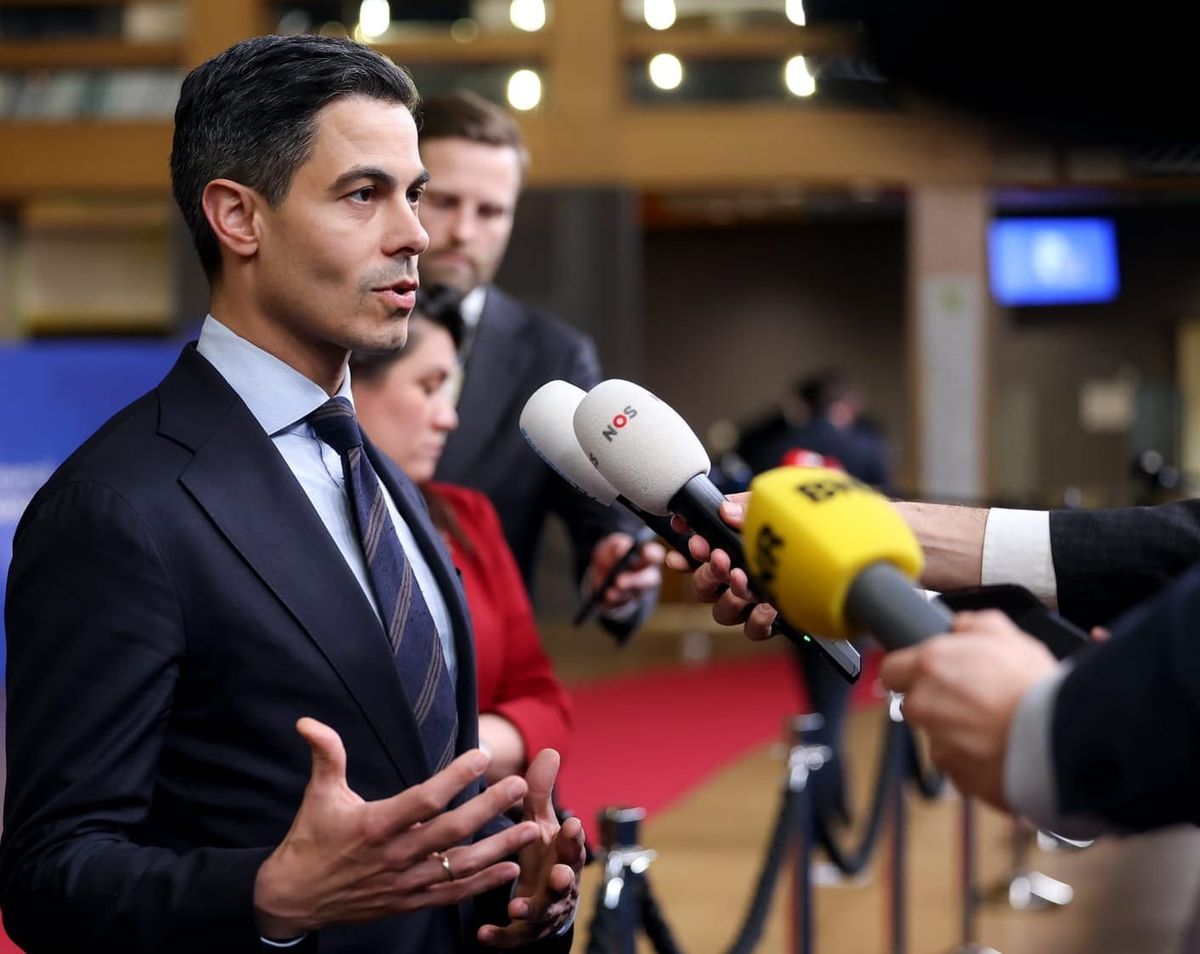
The war in Ukraine remains central to his foreign policy agenda.
 The Hague Insider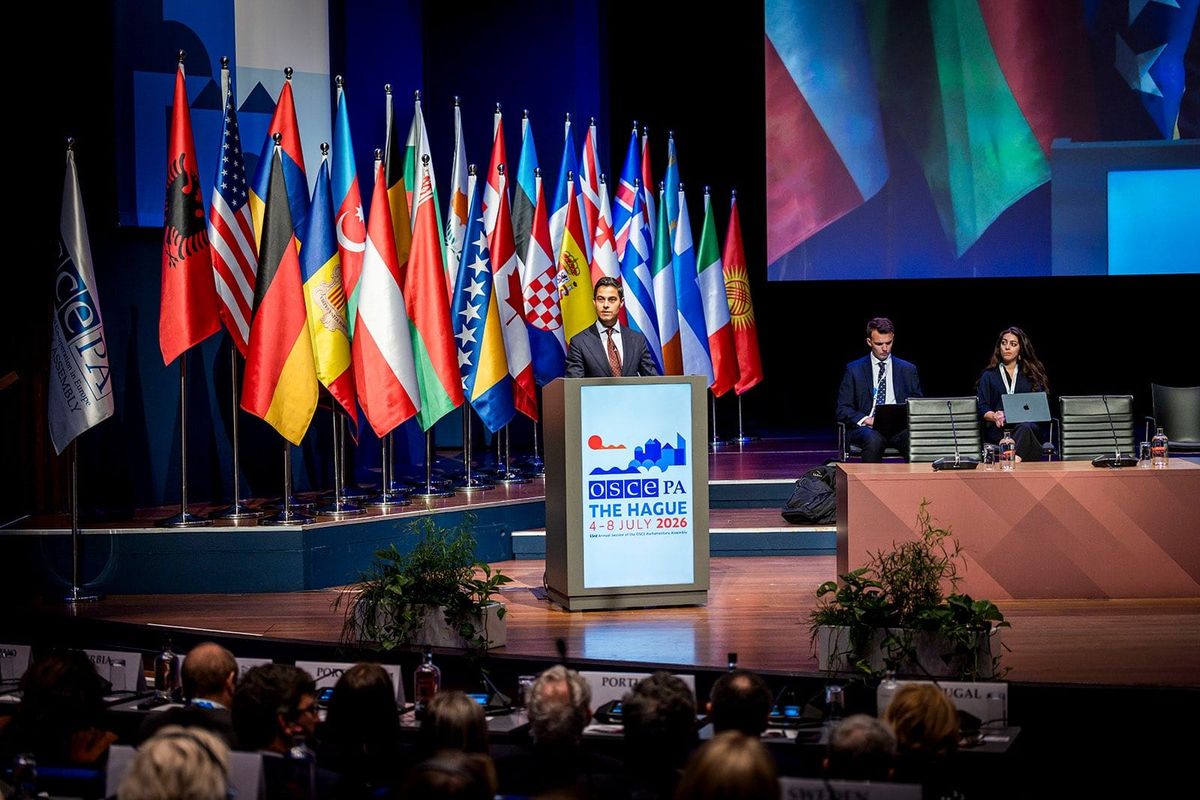
China: strategic rival, essential partner
Jetten has adopted a tougher tone toward China, supporting a more assertive European response to economic pressure and unfair competition.
 The Hague Insider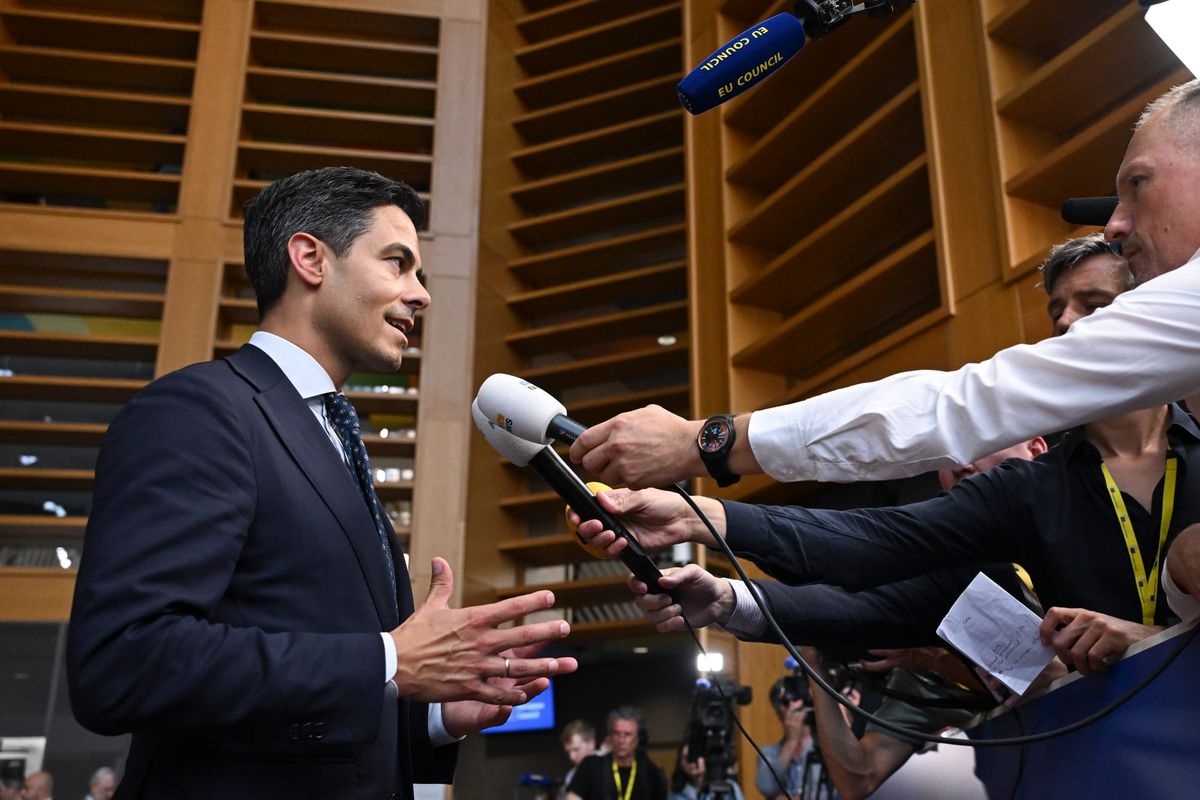
At the same time, preparations are underway for a possible visit to China later this year or early next year, reflecting the reality that Dutch economic interests remain deeply linked to Asia.
 The Hague Insider
The United States: ally and competitor
Jetten has argued that Europe should become less dependent on the United States in areas such as defence, technology and strategic industries.
 The Hague Insider
Yet tensions emerged after the Dutch government blocked a technology acquisition involving a supplier connected to DigiD. According to insiders, discussions with Washington became unusually intense.
 The Hague Insider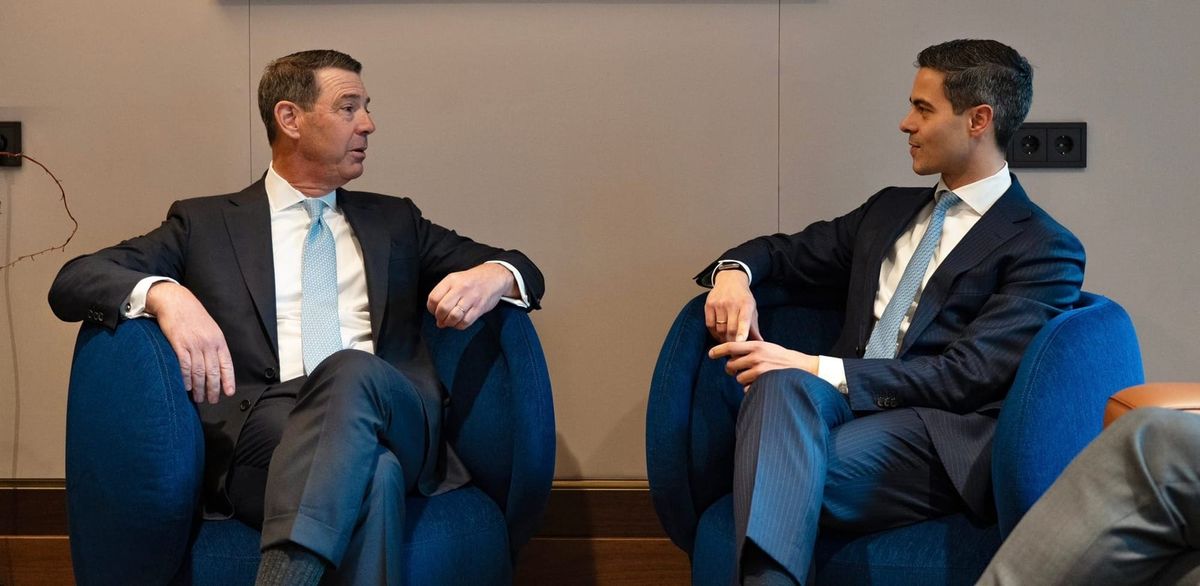
Israel and Gaza
Few foreign-policy files have proven as politically sensitive as Israel and Gaza.
Jetten has faced pressure from NGOs demanding tougher measures against Israel while simultaneously balancing concerns from coalition partners and international allies.
 The Hague Insider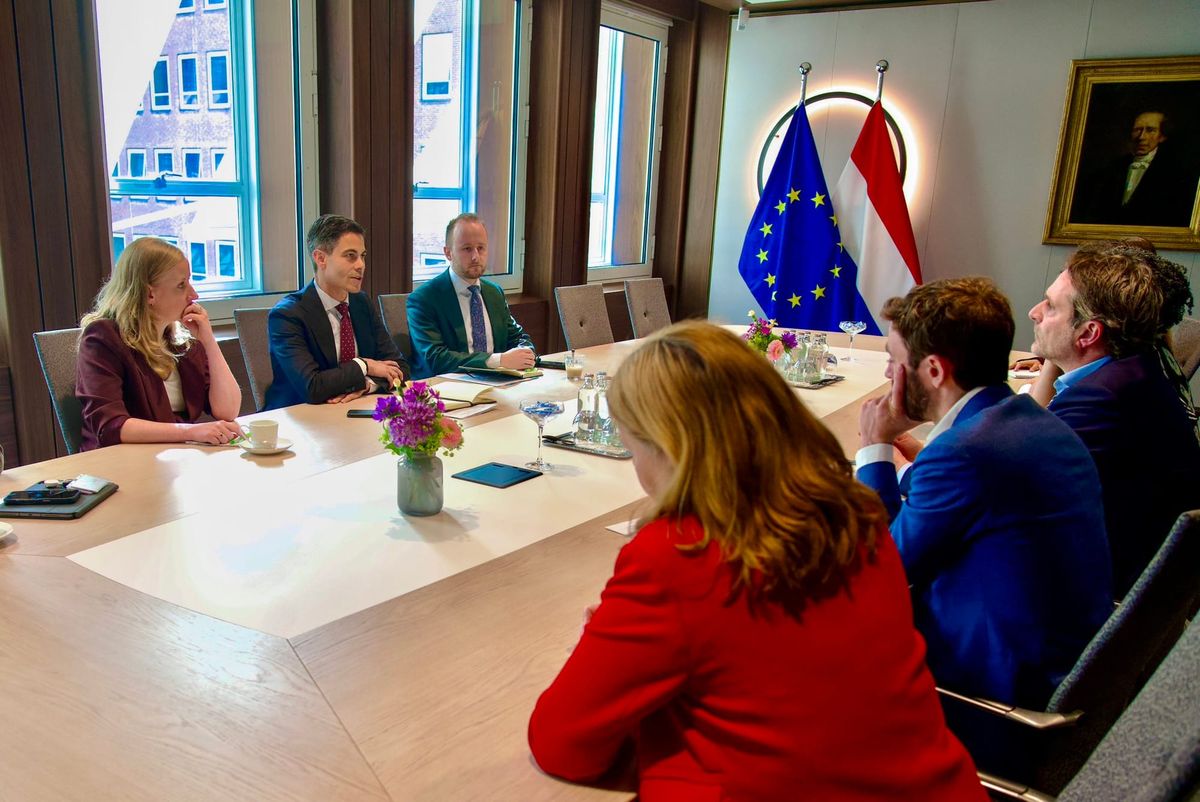
The government's decision to introduce a ban on goods from Israeli settlements marks the most concrete measure taken so far.
 The Hague Insider
Yet many activists who participated in the large Red Line demonstrations are likely to see the move as only a first small step.
Still being tested
Five months into office, Rob Jetten remains a work in progress. He has brought a younger generation into the centre of Dutch politics and restored a more visibly pro-European tone in foreign policy. His cabinet has kept key dossiers moving and has so far survived the inevitable tensions of minority government.
But the toughest phase still lies ahead. Budget negotiations, asylum policy, nitrogen measures and coalition management will all collide after the summer recess. Jetten's strongest argument today is that there is no obvious alternative. His challenge is to ensure that argument is still convincing by Christmas.
For now, the verdict from The Hague remains cautious: the experiment is still alive, but the real test has yet to begin.
Enjoyed this Summer Briefing?
The Hague Insider provides exclusive reporting, political analysis, diplomatic insights and behind-the-scenes information from The Hague, Brussels and beyond.
 The Hague Insider