☀️ The Hague Insider Summer Briefing: The Netherlands and Israel — balancing a historic friendship with growing pressure and sanctions
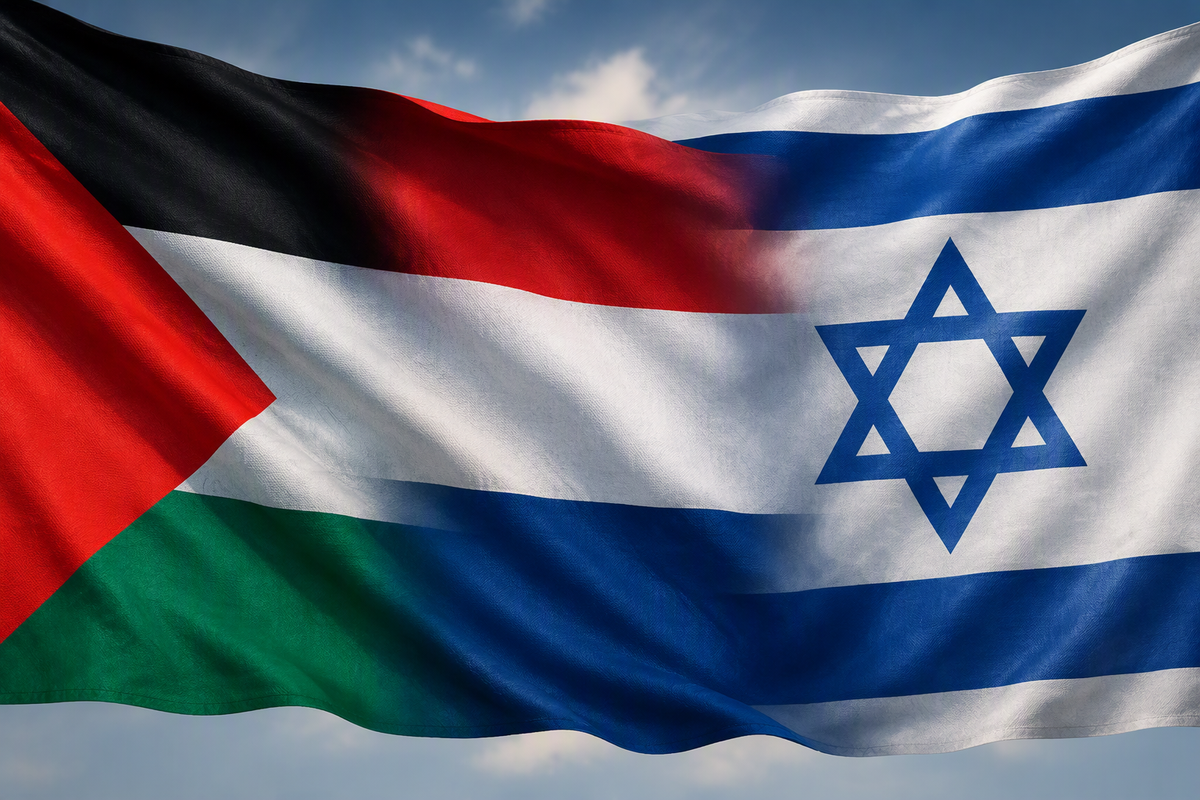
Every Saturday and Sunday this summer, The Hague Insider publishes a special Summer Briefing, taking a deep dive into the politicians, companies and policy issues shaping The Hague, Brussels and beyond. Today: Dutch policy towards Israel. Once among Israel's closest allies in Europe, the Netherlands is now navigating growing pressure to take a tougher stance on the Netanyahu government while maintaining its longstanding commitment to Israel's security. Where does the cabinet stand? What measures has it already taken? How divided is parliament? And what could come next?
Our Summer Briefings are freely accessible during the summer period. If you'd like full access to our reporting, analysis and exclusive insights, we currently offer special summer subscription deals:
The Netherlands and Israel: balancing a historic friendship with growing pressure
For decades, the Netherlands was regarded as one of Israel's most reliable partners in Europe. The Hamas attacks of 7 October 2023 and the subsequent war in Gaza, however, triggered a broader shift across Europe. Governments have come under increasing domestic and international pressure to reassess their positions.
The current Dutch government's approach is carefully codified in the coalition agreement. It supports a two-state solution, opposes the expansion of illegal settlements, calls for humanitarian aid to reach Gaza, and maintains sanctions against members of the Netanyahu government until meaningful steps towards peace and respect for international law are taken.
According to several insiders, the wording was negotiated with exceptional care to prevent conflict between D66, VVD and CDA.
Source in the coalition:
"The Israel paragraph was one of the most carefully negotiated sections of the coalition agreement. D66, VVD and CDA entered government with significantly different positions after the election campaign."
D66 has generally taken the most critical stance towards the Israeli government. CDA has moved somewhat in that direction under Henri Bontenbal, while VVD ultimately accepted measures against settlement products that had already been prepared under the previous Schoof government.
Internal cabinet divide?
Although the coalition agreement provides a common framework, differences remain visible inside the cabinet.
Foreign Minister Berendsen has often adopted a more critical tone towards Israeli policies, while VVD leader and Deputy Prime Minister Dilan Yeşilgöz remains one of Israel's strongest supporters in Dutch politics.
A source close to Yeşilgöz:
"Dilan's support for Israel runs very deep. That position is not open for negotiation."
This balancing act became visible in several public controversies, including moments when different cabinet members appeared to send different messages on Israel.
A source at the ministry:
"The new cabinet is still balancing. Sometimes Yeşilgöz is the face of foreign policy, sometimes Berendsen. One is clearly more critical than the other."
 The Hague Insider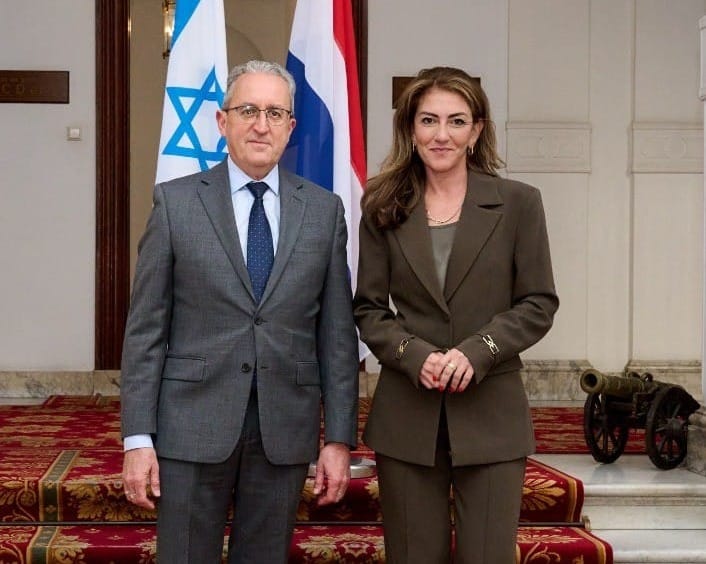
The differences inside the coalition do not only emerge when discussing sanctions, settlements or Gaza. They also surface in seemingly smaller debates that quickly turn into larger arguments about Dutch policy towards Palestinians and Israel.
A striking example came when coalition parties clashed over plans to allow Palestinian students to travel to the Netherlands. What appeared at first to be a technical discussion about visas and humanitarian access soon exposed deeper disagreements within the government. D66 argued for a more accommodating approach, while VVD figures expressed concerns about security and broader migration policy.
 The Hague Insider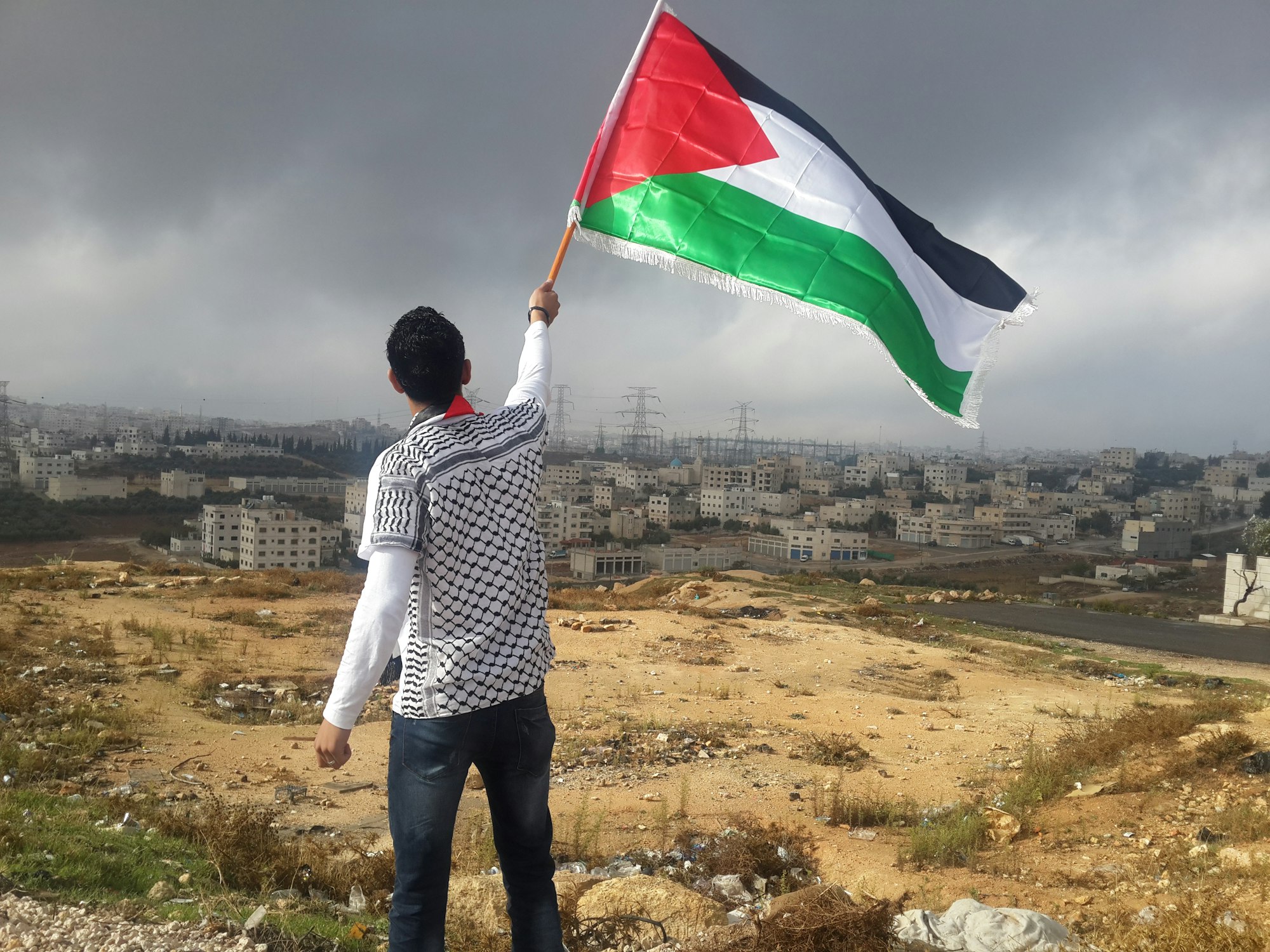
Becoming increasingly critical
Over the past year, the new minority cabinet has increasingly aligned itself with European countries taking a tougher position towards the Israeli government.
Dutch officials summoned the Israeli ambassador following the Gaza flotilla incident.
 The Hague Insider
The cabinet condemned comments about possible annexation in southern Lebanon and raised questions about the proportionality of Israeli military actions.
 The Hague Insider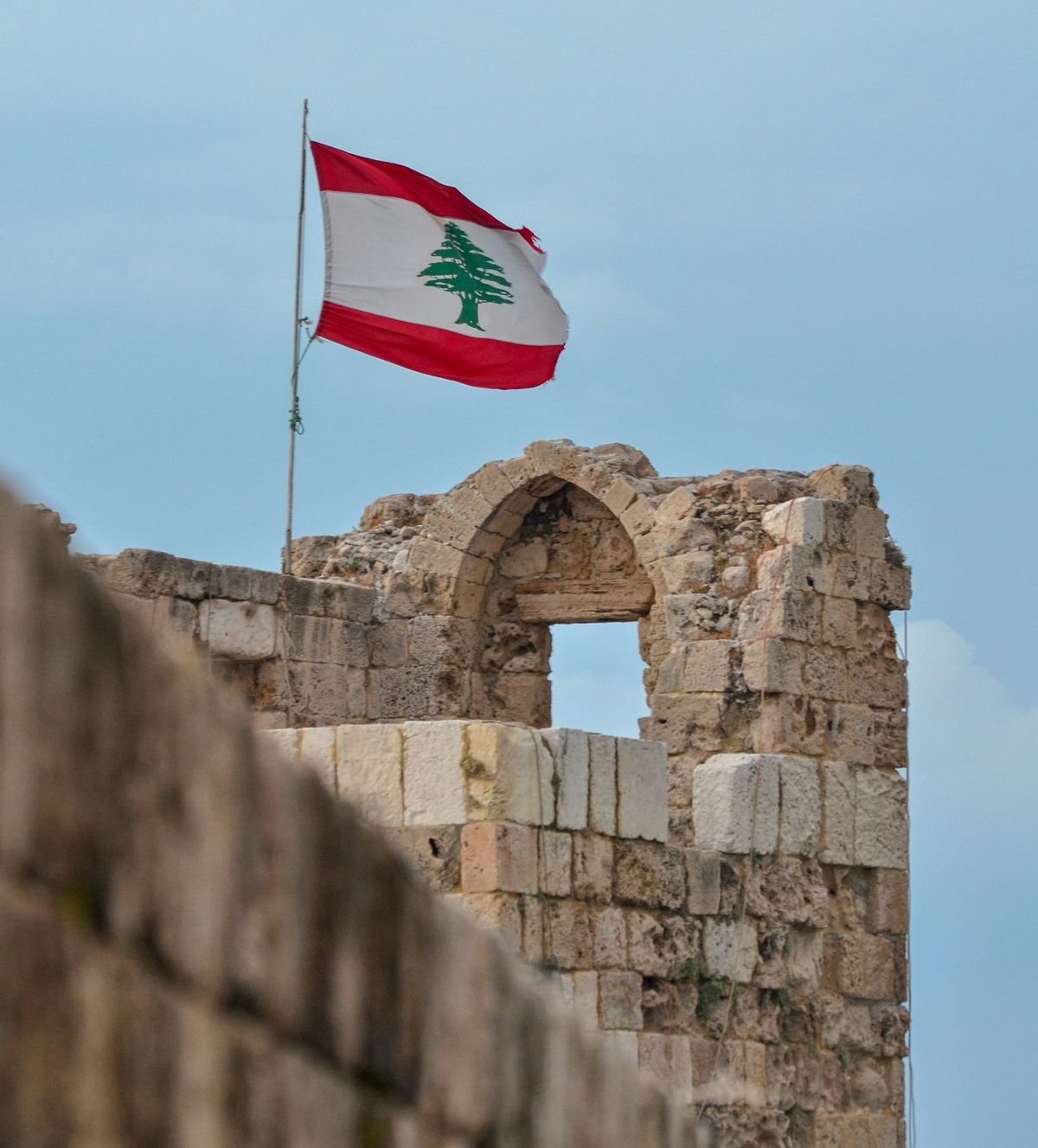
Foreign Minsiter Berendsen also publicly criticised proposals to introduce the death penalty in Israel.
 The Hague Insider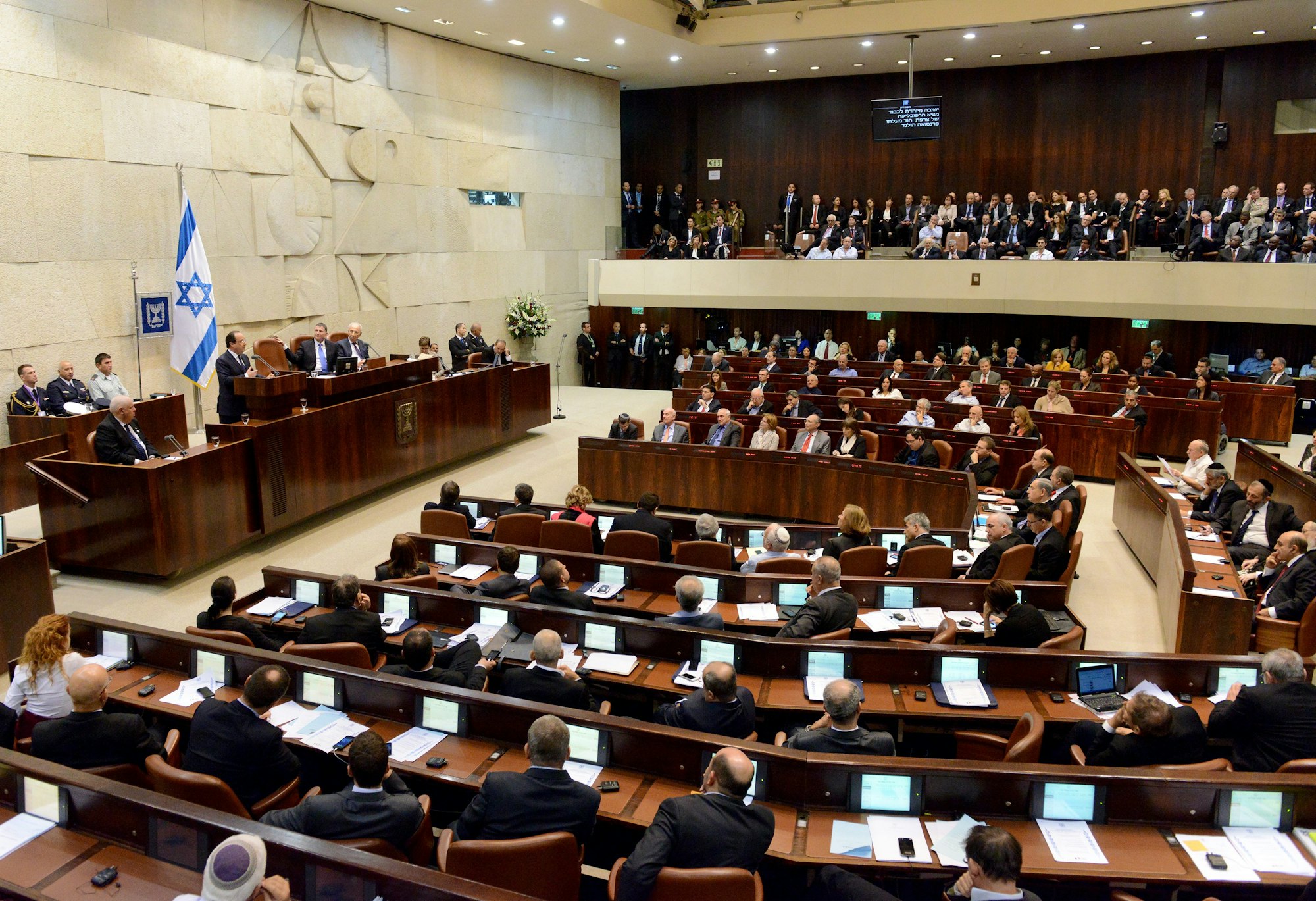
The Netherlands further supported discussions on possible EU sanctions against Israeli minister Itamar Ben-Gvir.
 The Hague Insider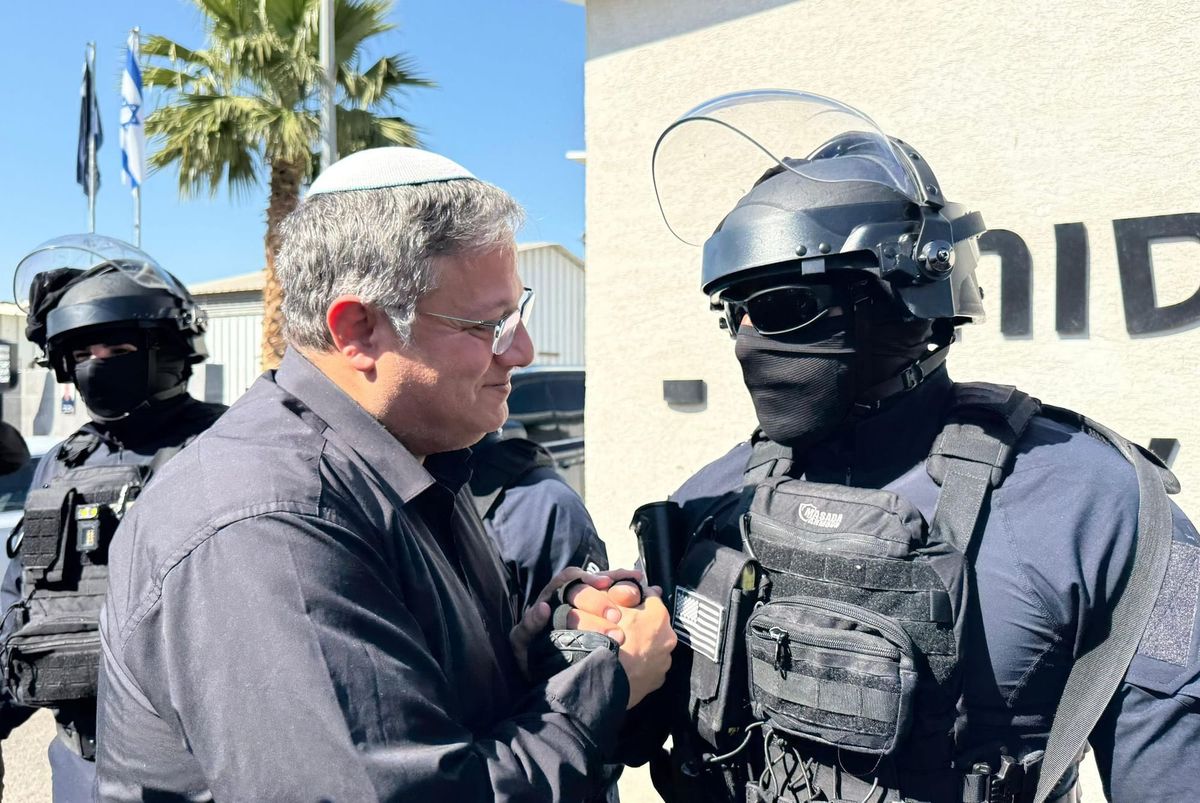
And together with other Western allies, it repeatedly urged Israel to allow significantly more humanitarian assistance into Gaza.
 The Hague Insider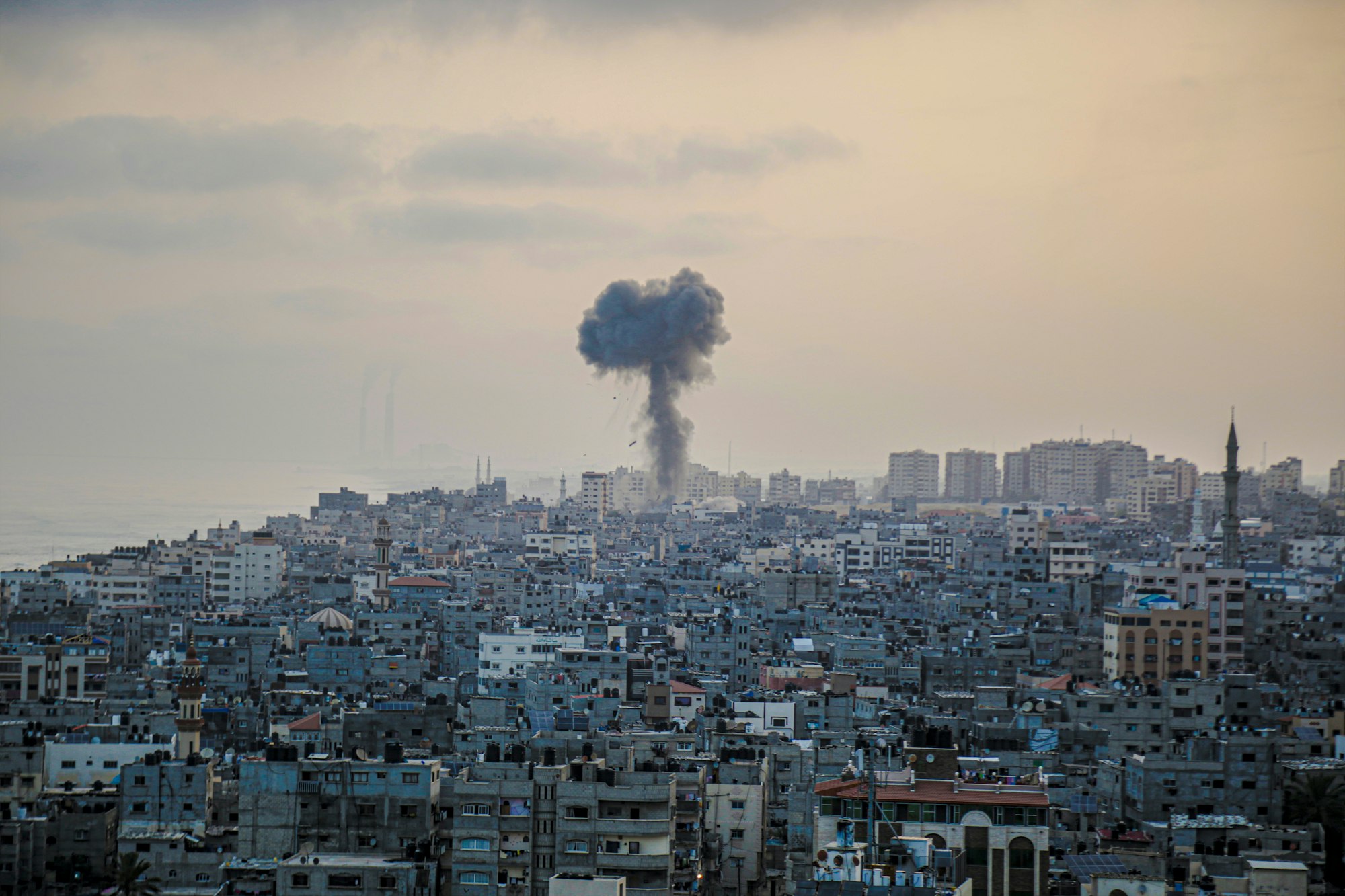
State of play in Brussels
Yet, new sanctions against Israel continue to become trapped inside the European Union.
Efforts to introduce broader sanctions or trade restrictions have encountered resistance from several member states.
 The Hague Insider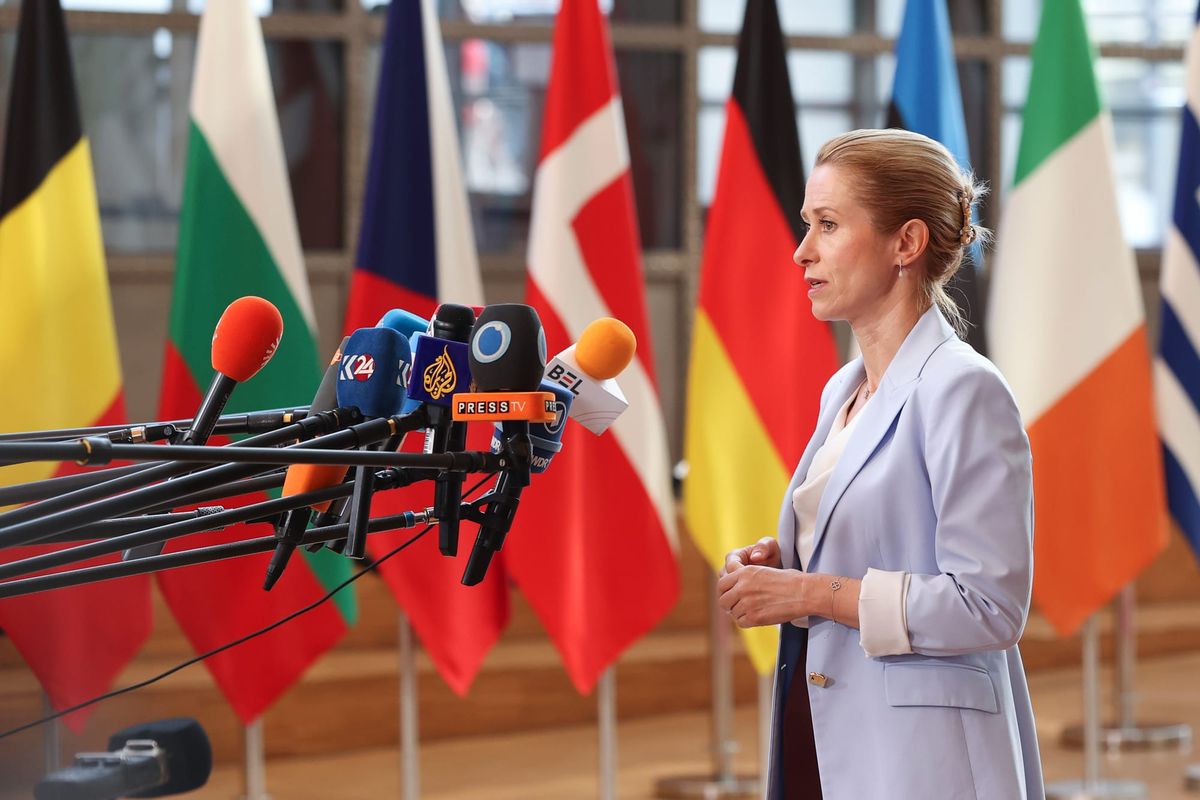
That has revived an old Dutch debate: if Europe cannot agree, should the Netherlands act alone?
The previous government already concluded that settlement products could eventually become the focus of national measures.
Pressure from NGOs and the 'Red Line' Movement
The government is also facing pressure from civil society.
The organisations behind the large Red Line demonstrations have repeatedly called for stronger measures against Israel.
 The Hague Insider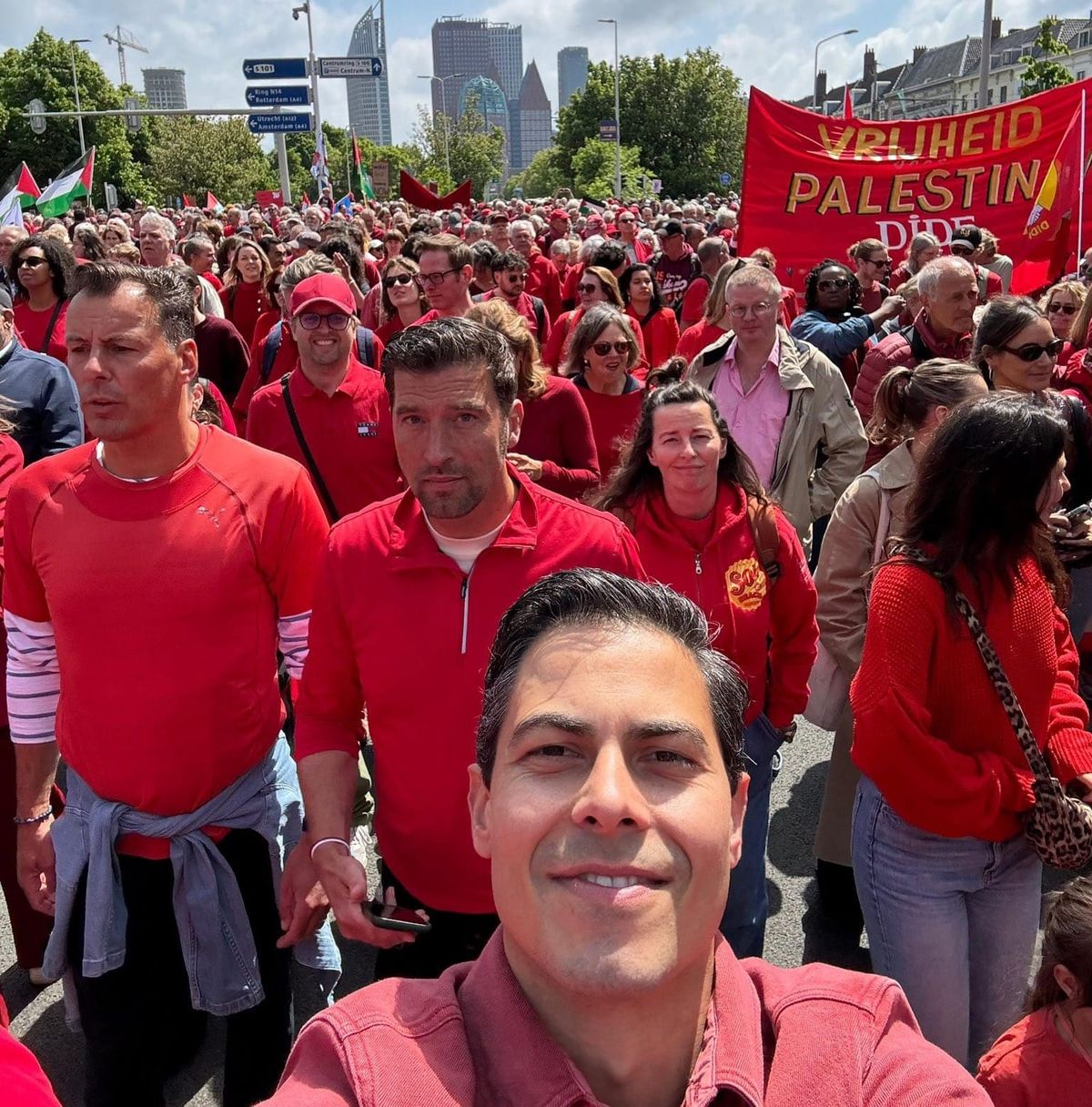
That pressure is particularly sensitive for Prime Minister Rob Jetten, who participated in Red Line demonstrations before entering office.
 The Hague Insider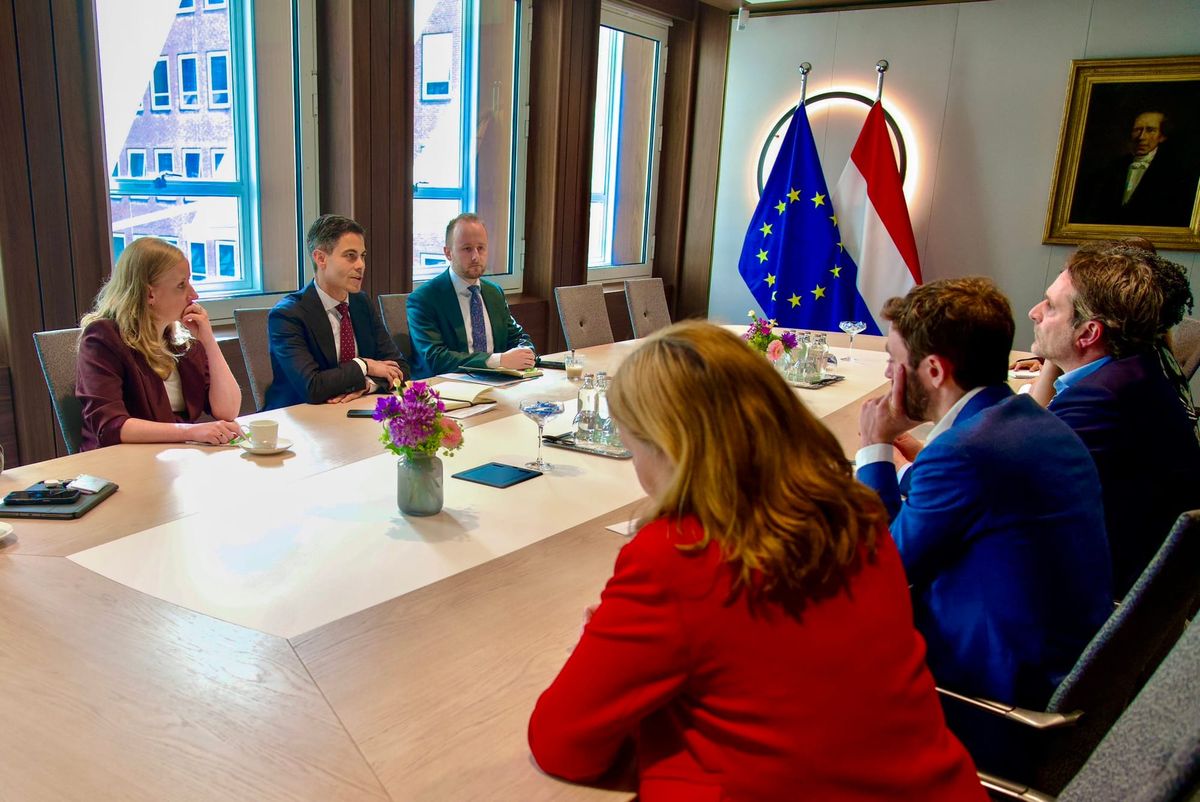
Divided parliament
In de 'Tweede Kamer' (House of Representatives), the political battlefield in parliament is relatively clear.
D66 and most left-wing opposition parties — including PRO, DENK, SP, Partij voor de Dieren and Volt — maintain highly critical views of the Israeli government.
VVD and CDA continue to support Israel's right to self-defence but have become more critical of some government policies.
Meanwhile parties such as PVV, JA21, BBB, ChristenUnie, SGP, Groep-Markuszower and independent MP Keijzer remain among Israel's strongest defenders in the Tweede Kamer.
As a result, VVD and CDA frequently hold the balance of power on additional measures.
 The Hague Insider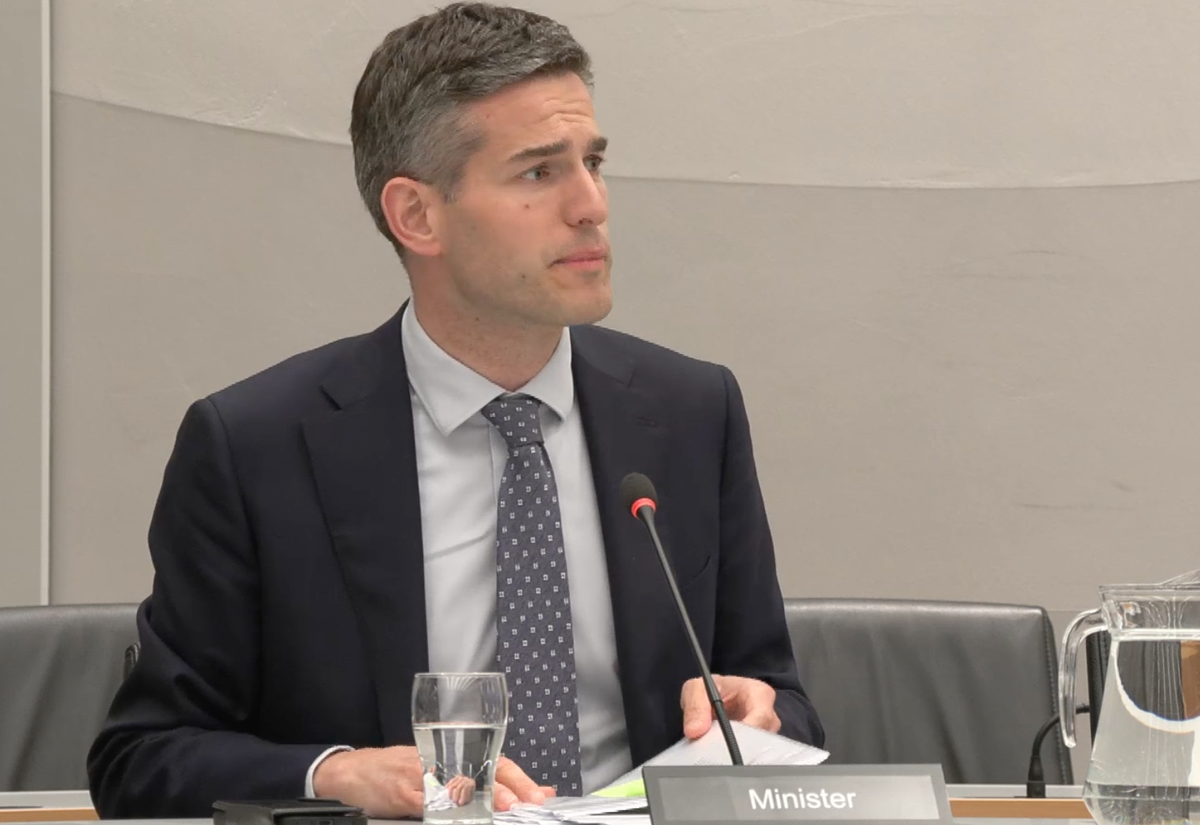
The Settlement Trade Ban: symbolic or significant?
The most consequential step taken so far concerns products originating from Israeli settlements in occupied territories.
The cabinet announced a ban on such imports.
 The Hague Insider
However, the Council of State criticised the proposal and raised serious concerns about enforceability.
 The Hague Insider
The government nevertheless decided to proceed. The measure is scheduled to enter into force in late September.
 The Hague Insider
The war with Iran
Israel policy also intersects with Dutch debates about Iran.
During the US-Israeli military actions against Iran, the government initially emphasised diplomacy. Later, the official language shifted towards expressing "understanding" for the strikes.
That nuanced wording itself became politically controversial. The episode again highlighted differences between the more pro-Israel wing of the coalition and officials warning about international legal concerns.
 The Hague Insider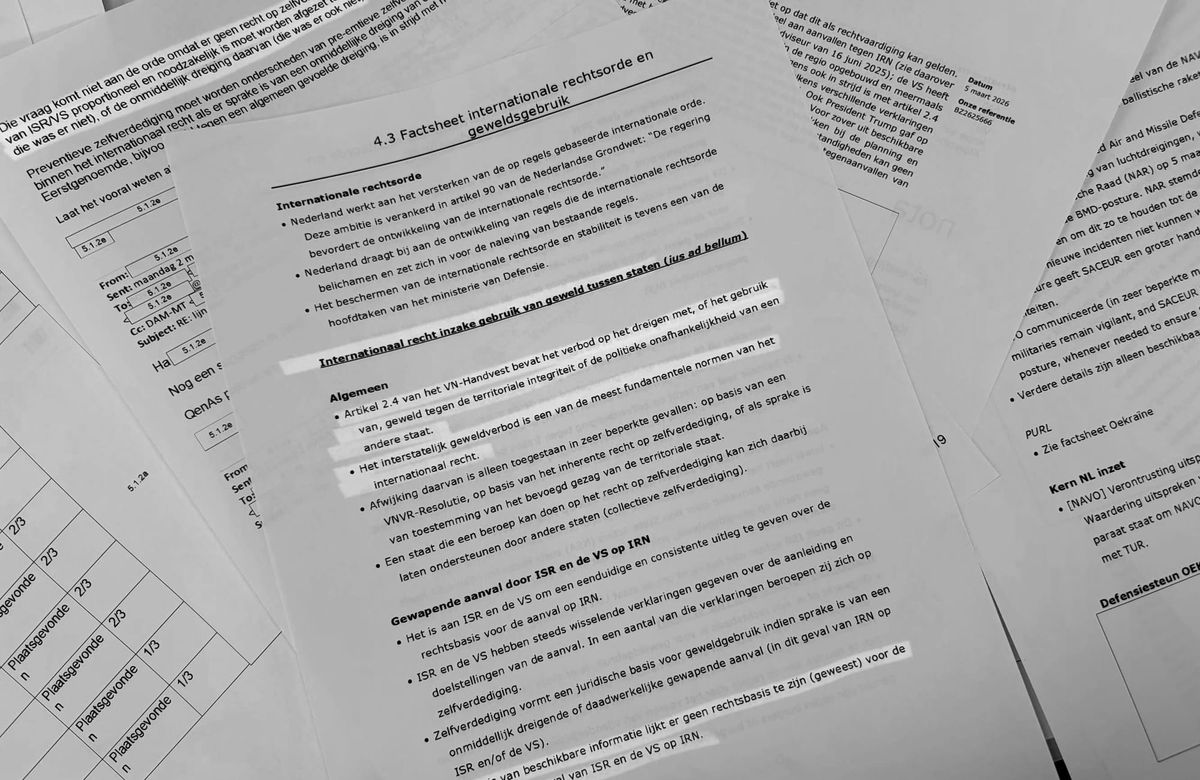
The Israeli Embassy
The Israeli embassy in The Hague has become an increasingly active participant in Dutch political debates surrounding Israel, Gaza and the wider Middle East. Ambassador Modi Ephraim and later ambassador Aviner Vapni have publicly pushed back against criticism of Israeli government policy, intervened in debates about Nakba commemorations, and criticised proposals for Dutch and European measures against Israel.
The embassy has also maintained close contacts with political parties that are among Israel's strongest supporters in parliament, including VVD, PVV, BBB, JA21, ChristenUnie and SGP. As tensions over Gaza, humanitarian aid and settlement trade have grown, diplomats in The Hague note that the Israeli embassy has adopted a more visible and outspoken public profile than in previous years, reflecting the growing political importance of Israel policy within Dutch domestic politics.
Many of the embassy's arguments are echoed by the most pro-Israel parties in parliament, particularly in discussions about sanctions and the conflict with Iran.
 The Hague Insider
As criticism over Israel’s actions in Gaza continues, Israel’s ambassador to the Netherlands is increasingly becoming a focal point of controversy. His planned appearance at the Holocaust remembrance event in Rotterdam has triggered questions from left-wing political parties.
 The Hague Insider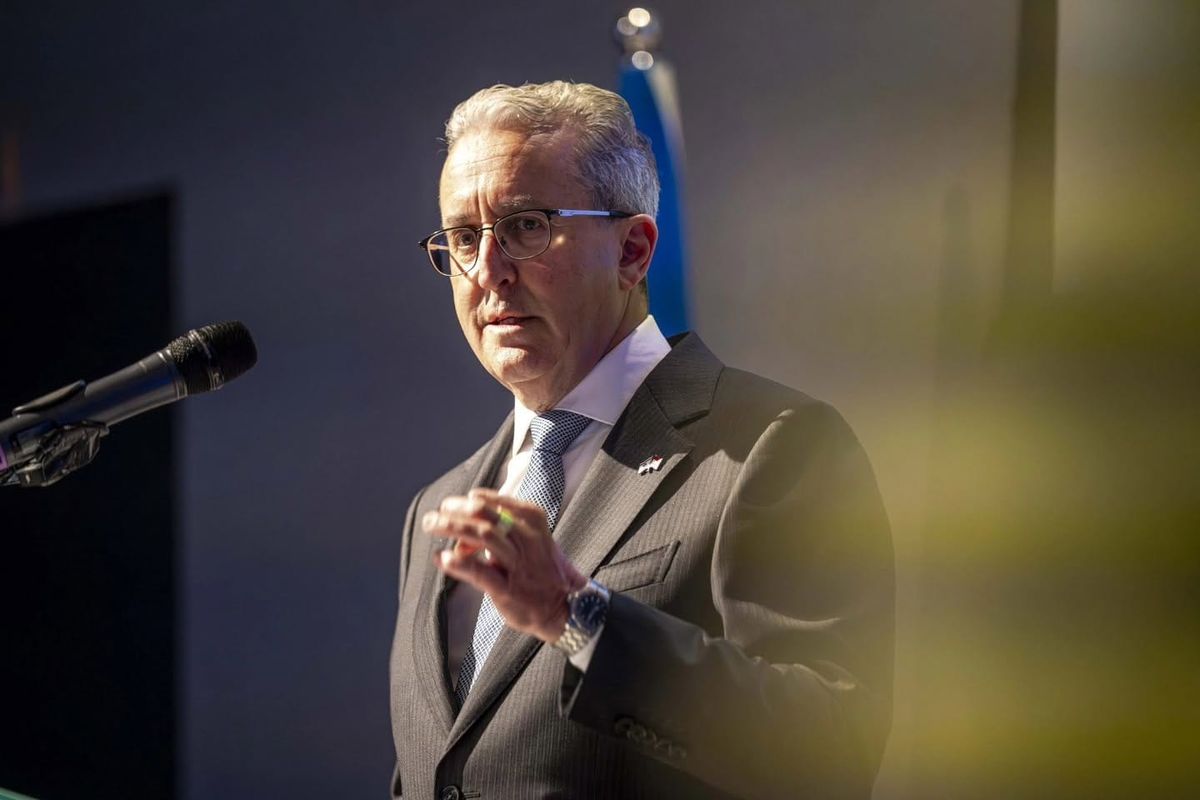
Searching for balance
The Dutch government is no longer the unconditional supporter of Israeli policy that many observers remember from previous decades. The cabinet has endorsed sanctions against members of the Netanyahu government, supported a ban on settlement products, repeatedly criticised Israeli actions in Gaza and Lebanon, and pushed for greater humanitarian access.
At the same time, the Netherlands continues to emphasise Israel's security, remains reluctant to move much further than its European partners, and contains powerful political figures who strongly oppose broader sanctions.
The result is a government searching for balance: more critical than before, but cautious about crossing the line from criticism to outright confrontation. As long as parliament remains divided and Europe itself cannot agree on a common course, Dutch policy is likely to continue evolving through carefully calibrated steps rather than dramatic shifts.
Enjoyed this Summer Briefing?
The Hague Insider provides exclusive reporting, political analysis, diplomatic insights and behind-the-scenes information from The Hague, Brussels and beyond.
 The Hague Insider