More pressure from NGOs on Dutch cabinet over sanctions against Israel
Five major humanitarian and human rights organizations will urge the Dutch government to take a tougher stance toward Israel. On Thursday, the directors of five organizations will meet with Prime Minister Rob Jetten, where they are expected to voice sharp criticism of what they see as the Netherlands’ cautious approach.
The meeting will involve the leaders of PAX, Oxfam Novib, Save the Children, Amnesty International, and Médecins Sans Frontières (Doctors Without Borders). They are seeking an explanation from the prime minister for the lack of concrete measures against Israel—one year after the so-called “Red Line” demonstration, in which thousands of people called for stronger action.
💡
Our analysis:
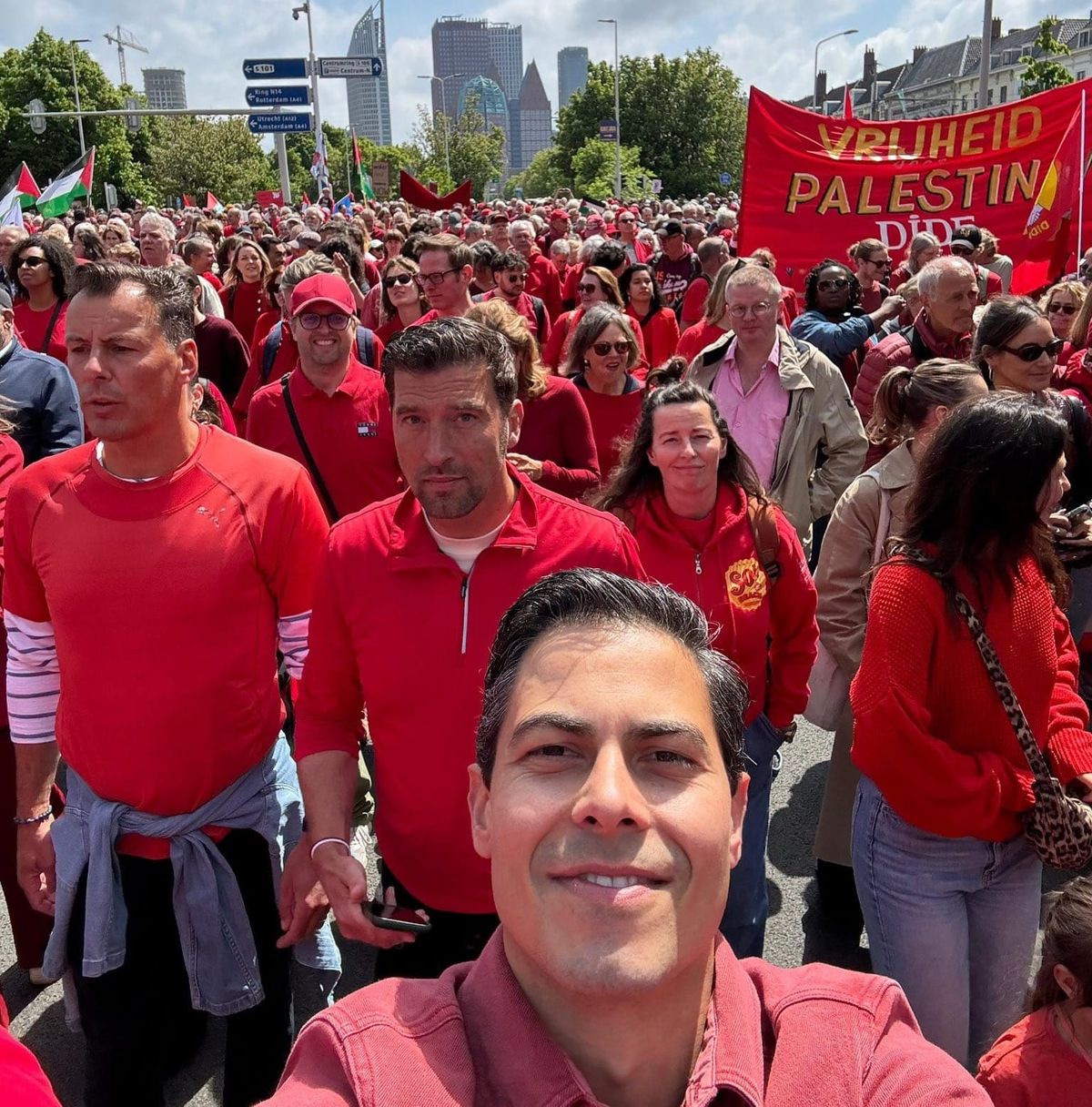
When these NGOs previously met with the former Schoof cabinet, then–Prime Minister Schoof stated that there was “no red line in Gaza”. That remark triggered the Red Line protests, in which thousands of demonstrators dressed in red to demand tougher measures against Israel.
At the time, Rob Jetten—then leader of the D66 party—took part in those protests. Now, as prime minister, Jetten faces growing scrutiny. During the election campaign, he advocated a stronger approach toward Israel, but so far his government has not introduced any new measures.
Whether this cabinet will ultimately adopt additional national measures against Israel will largely depend on political support in parliament. Left-wing parties in the House of Representatives favor stronger action, while a large right-conservative bloc opposes it. The liberal VVD party holds a pivotal position: if it supports tougher measures, a parliamentary majority would be within reach.
When these NGOs previously met with the former Schoof cabinet, then–Prime Minister Schoof stated that there was “no red line in Gaza”. That remark triggered the Red Line protests, in which thousands of demonstrators dressed in red to demand tougher measures against Israel.
At the time, Rob Jetten—then leader of the D66 party—took part in those protests. Now, as prime minister, Jetten faces growing scrutiny. During the election campaign, he advocated a stronger approach toward Israel, but so far his government has not introduced any new measures.
Whether this cabinet will ultimately adopt additional national measures against Israel will largely depend on political support in parliament. Left-wing parties in the House of Representatives favor stronger action, while a large right-conservative bloc opposes it. The liberal VVD party holds a pivotal position: if it supports tougher measures, a parliamentary majority would be within reach.
NGOs: “Unacceptable and inhumane”
According to the five organizations, the situation in Gaza is “unacceptable and inhumane.” In a joint statement, they accuse Israel of systematically obstructing humanitarian aid and committing serious human rights violations, both in Gaza and in the West Bank. They also point to recent military developments in Lebanon, which they say fit into a broader pattern.