☀️ The Hague Insider Summer Briefing: Dutch Defence Minister Dilan Yeşilgöz
Every Saturday and Sunday this summer, The Hague Insider publishes a special Summer Briefing, taking a deep dive into the politicians, companies and policy dossiers shaping The Hague, Brussels and beyond. Today: Dilan Yeşilgöz, Defence Minister, VVD leader, Deputy Prime Minister — and one of the most influential figures in Dutch politics.
Our Summer Briefings are freely accessible during the summer period. If you'd like full access to our reporting, analysis and exclusive insights, we currently offer special summer subscription deals:
From Political Survivor to Defence Powerhouse
Few ministers have benefited more from Europe's rapidly changing security environment than Dilan Yeşilgöz.
As Defence Minister, she has inherited a portfolio enjoying political momentum, broad public support and unprecedented investment. Defence spending is expanding rapidly, NATO allies are raising military budgets and the Netherlands is embarking on one of the largest transformations of its armed forces since the Cold War.
The ministry's mission is simple: build more, buy more and deploy faster.
The ambitions are reflected in plans to make Dutch forces faster and more deployable within NATO while legally anchoring the alliance's new spending commitments.
 The Hague Insider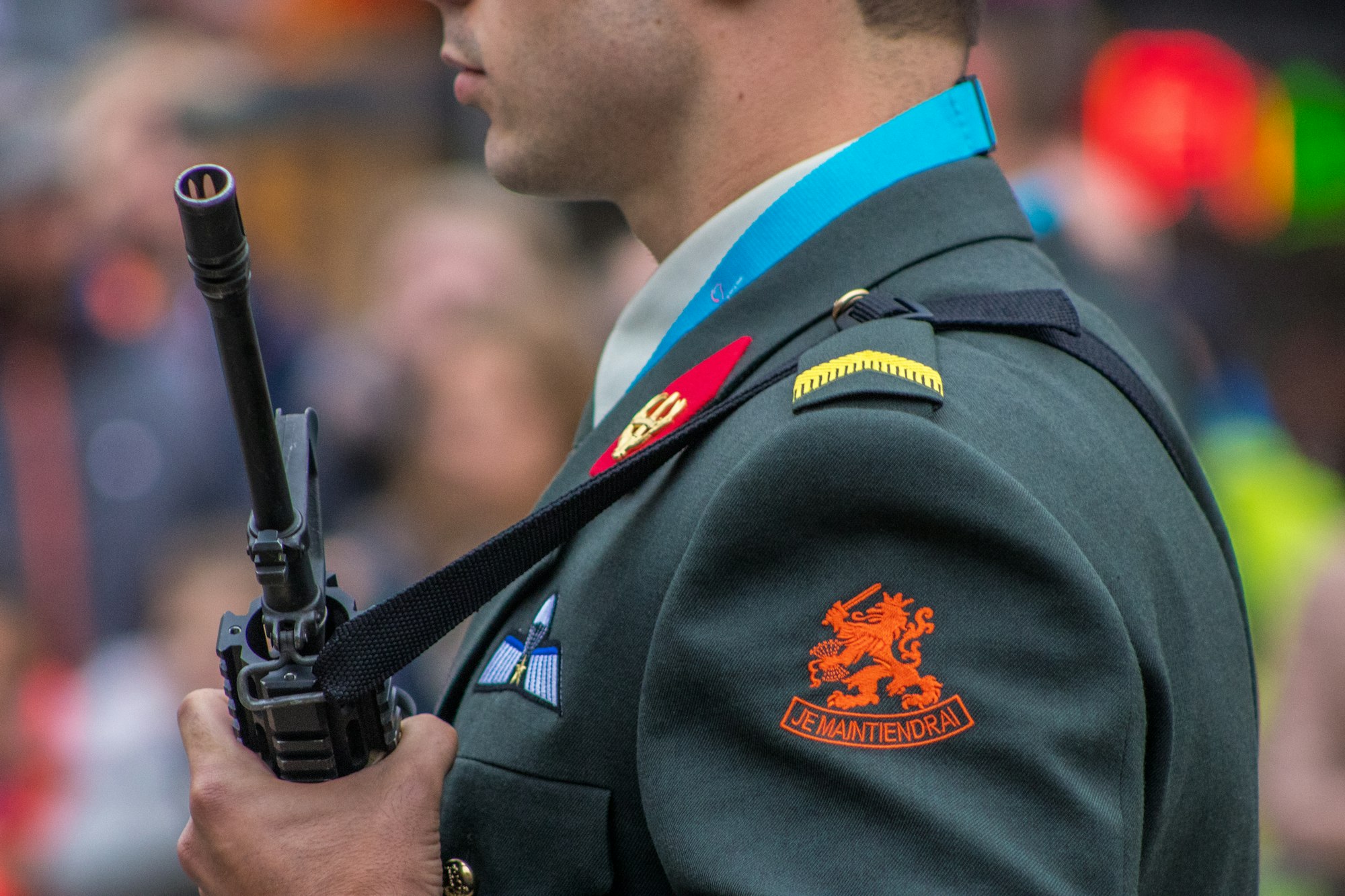
The transformation extends far beyond budgets. Dutch defence planners expect drones and autonomous systems to become central to future military operations.
 The Hague Insider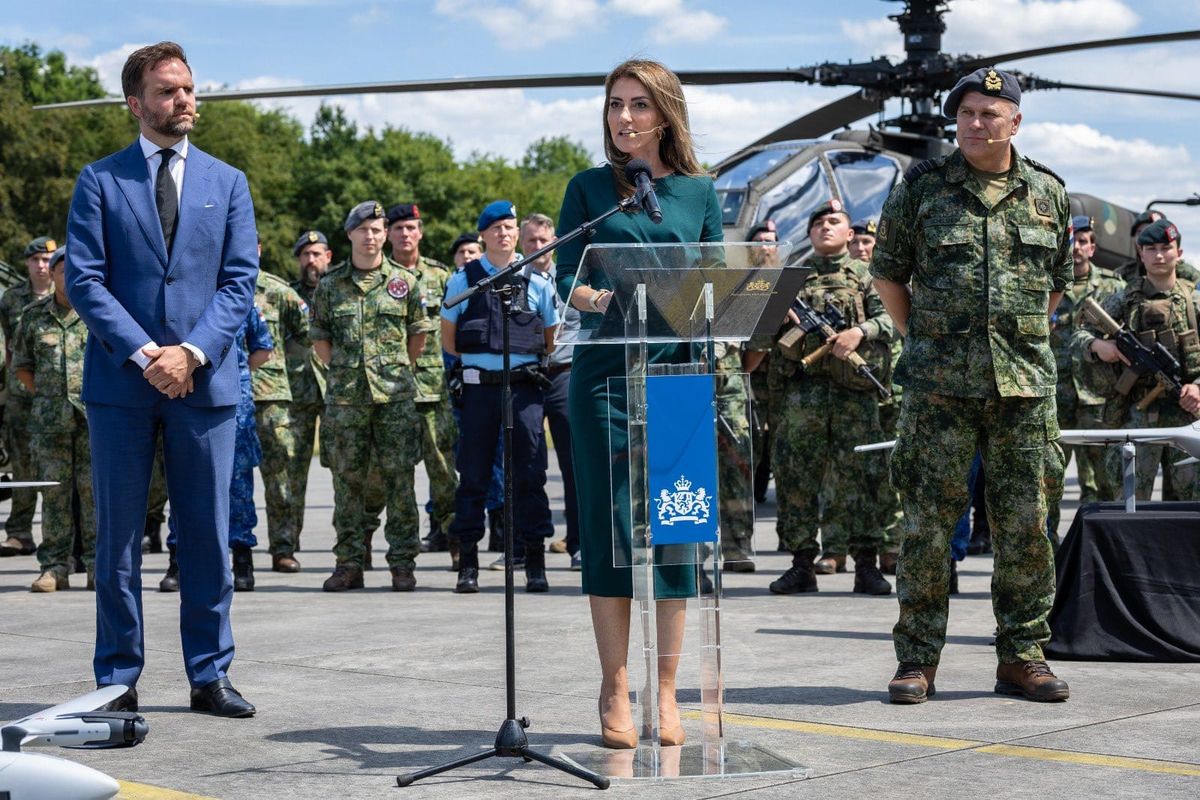
"Nobody was surprised when Yeşilgöz ended up at Defence," one VVD insider told The Hague Insider. "Security has always been her strongest political theme. It fits her instincts and her work ethic."
The Most Ambitious Minister in the Cabinet?
Officially, Yeşilgöz insists she is focused on governing rather than opinion polls.
Yet journalists, coalition insiders and VVD figures repeatedly describe a politician who is acutely aware of her public profile.
"She says she does not focus on polls or popularity. But critical reporting rarely goes unnoticed," one Hague-based observer said. "There is often a sharp response when coverage is perceived as unfair."
Her influence extends well beyond the Defence Ministry.
As Deputy Prime Minister, VVD leader and Defence Minister, Yeşilgöz has emerged as one of the most visible members of the cabinet, often taking positions on broader geopolitical developments.
That prominence has not gone unnoticed inside government.
"Sometimes she responds to international developments before the Foreign Minister does," a coalition source said. "People occasionally ask: who is the real foreign minister?"
Around Foreign Minister Berendsen it is said that he is not personally troubled by the arrangement. But among coalition partners, MPs and senior civil servants, Yeşilgöz's expansive interpretation of the Defence portfolio has occasionally led to frustration and quiet complaints.
The Question Hanging Over the VVD
Despite her strong position in government, Yeşilgöz's grip on the VVD is not entirely beyond discussion.
Just two years ago, her political future appeared uncertain. Following a disappointing election campaign, senior VVD figures openly speculated about her future as party leader. A late campaign push centred on the prospect of a right-wing coalition helped limit the damage, allowing Yeşilgöz to survive a difficult moment that many insiders believed could have ended her leadership.
Today, the discussion has quietened but not disappeared.
"Within the VVD there is still discussion about who could succeed her if circumstances change," one party source said. "Names that regularly circulate include Ruben Brekelmans, Vincent Karremans and Eelco Heinen."
For now, Yeşilgöz remains the dominant figure in the party. But unlike Mark Rutte during his peak years, her position is viewed by insiders as strong rather than unassailable.
More Money, More Problems
But back to the Dutch defence policy. The billions flowing into defence are also creating new political headaches.
Major procurement projects are becoming more expensive. Programmes are slipping behind schedule. Parliament is increasingly demanding greater transparency about defence spending.
 The Hague Insider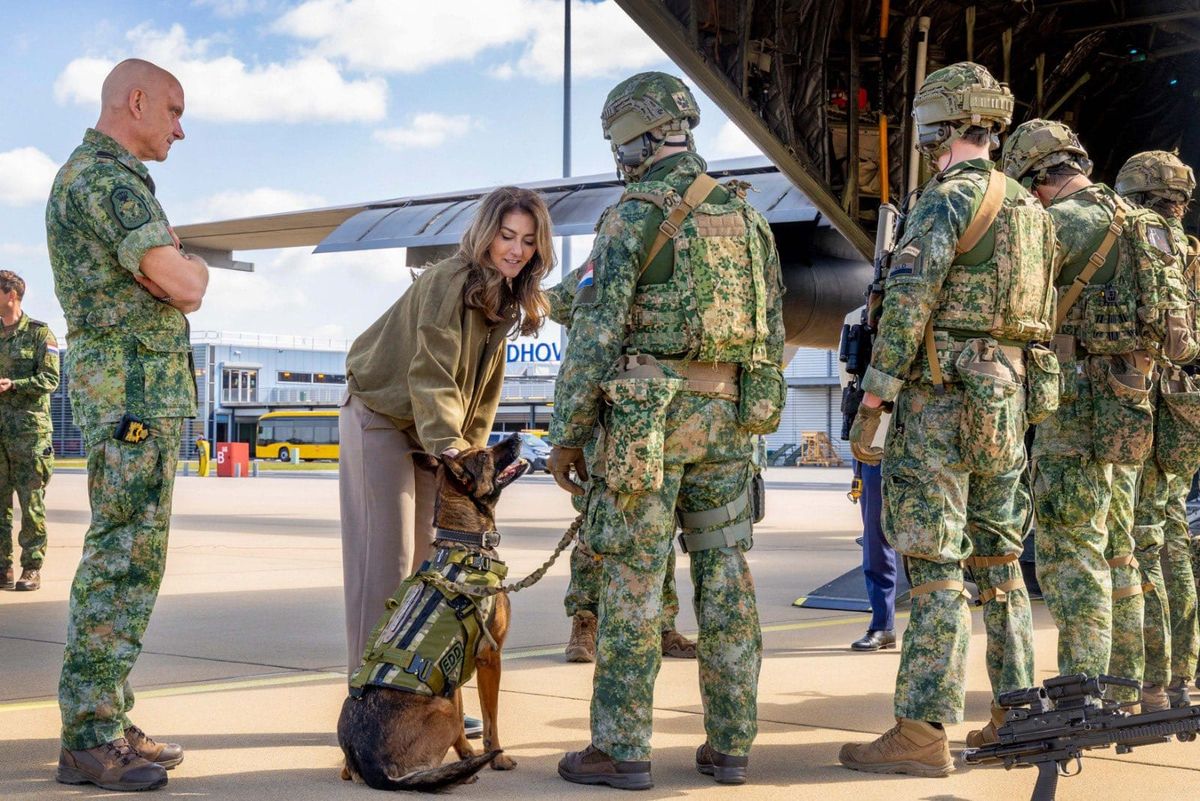
The political pressure became visible during debates over new anti-submarine warfare frigates, where delays, rising costs and criticism triggered renewed questions about oversight. The Dutch Court of Audit has also repeatedly urged greater scrutiny as defence spending accelerates.
 The Hague Insider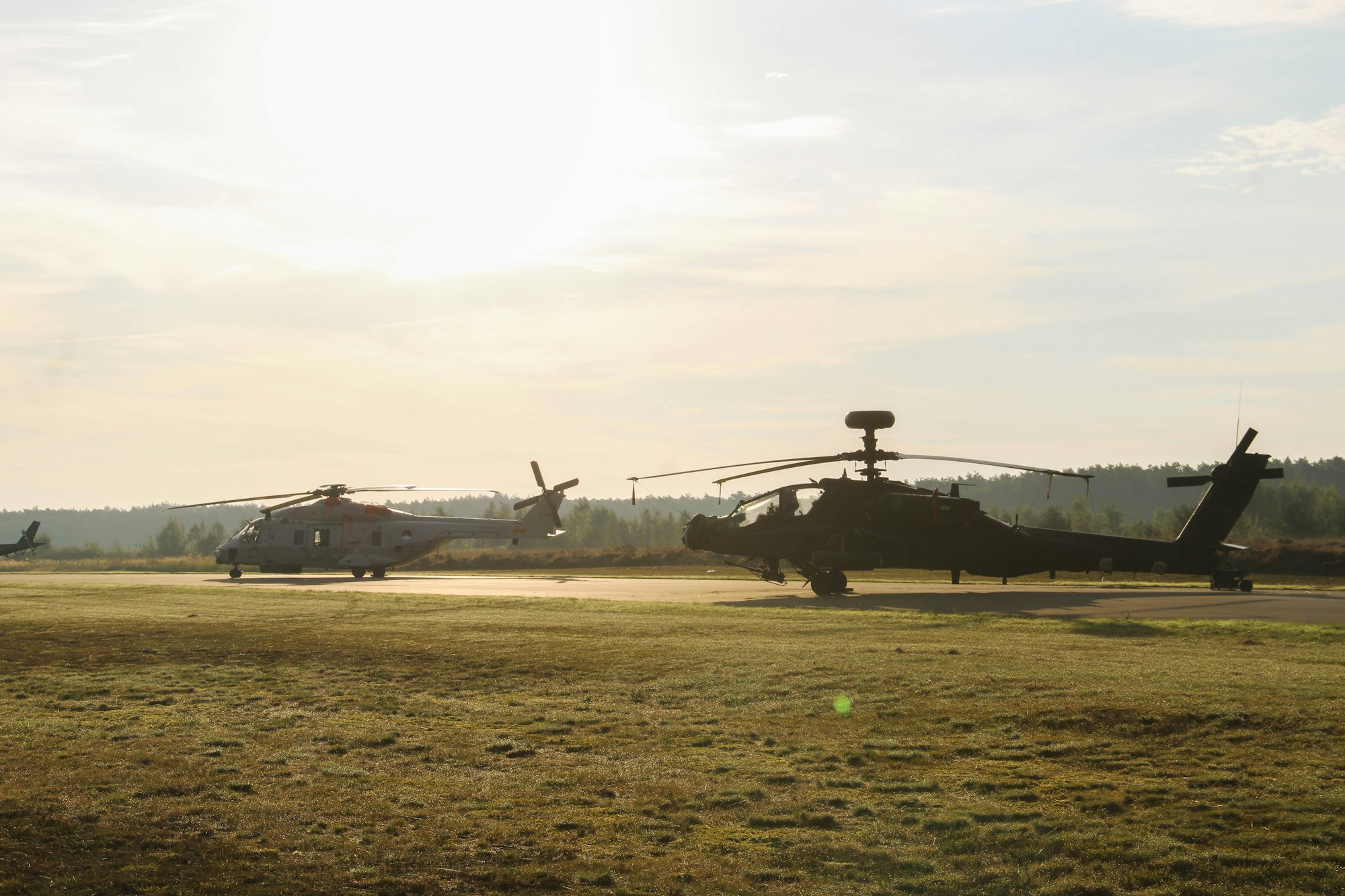
Preparing for a Less American NATO
The defining strategic challenge facing Yeşilgöz is not only Russia, but also America.
The Netherlands remains deeply dependent on the United States for training, logistics, intelligence and military capabilities. Yet successive signals from Washington have convinced policymakers that Europe must gradually take on a larger share of its own defence.
At the same time, the government continues to warn that any abrupt reduction of American support would be highly damaging.
 The Hague Insider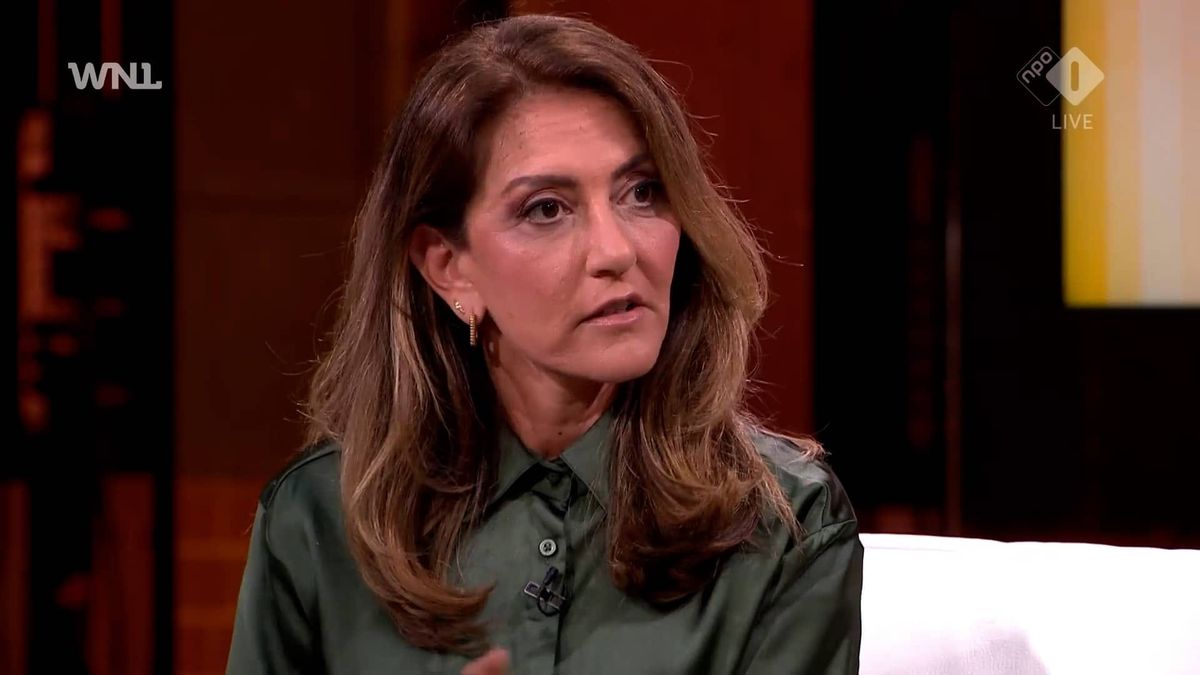
Even as Europe assumes greater responsibilities, Dutch policymakers remain careful not to suggest that the United States can be replaced anytime soon.
"The burden shift is the direction of travel," a senior defence source said. "The debate is no longer whether Europe should do more, but how quickly that can realistically happen."
 The Hague Insider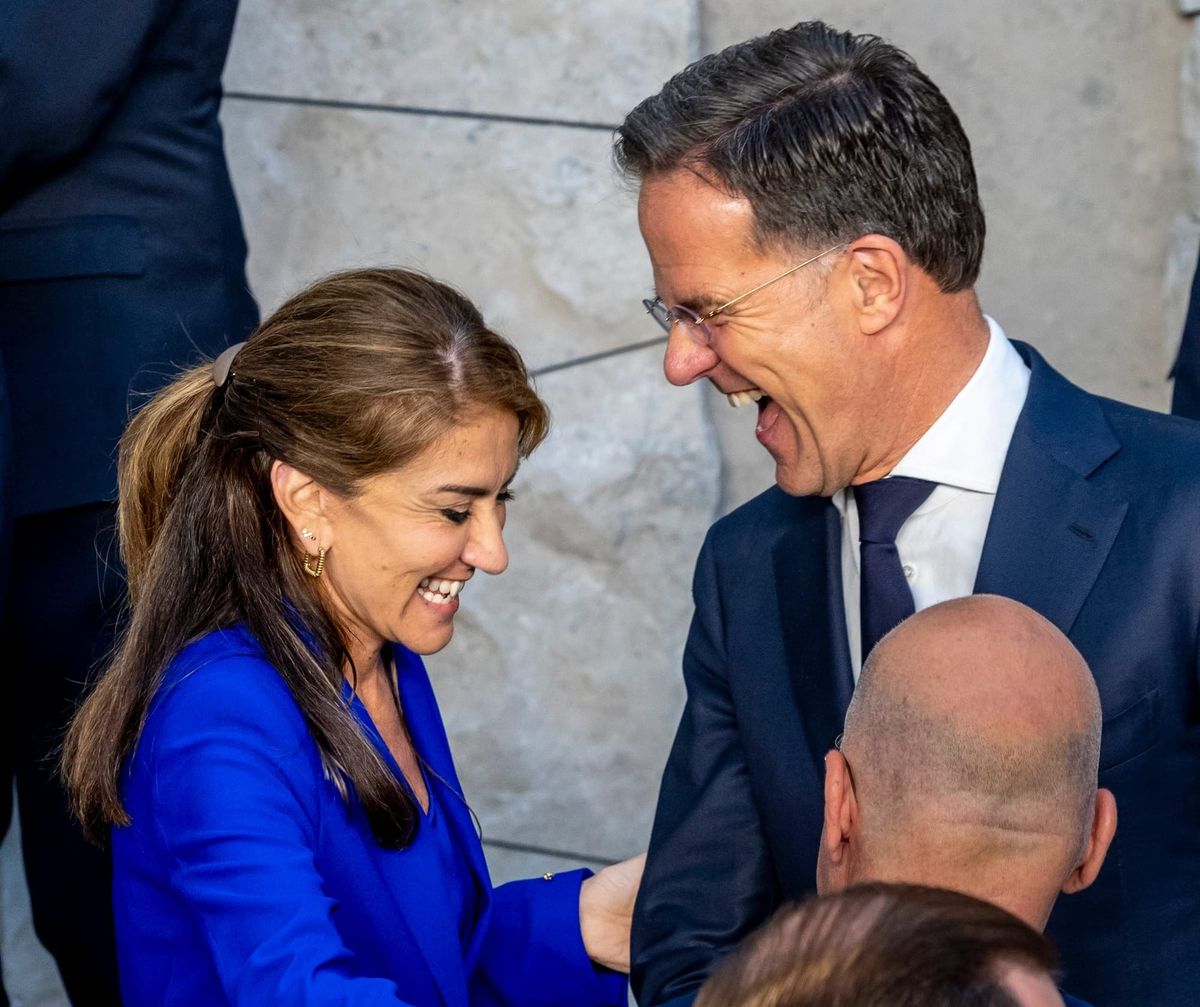
Looking Beyond Washington
A more uncertain American role is also pushing Dutch diplomacy and defence policy further into Asia.
Yeşilgöz has increasingly focused on partnerships with Asian democracies and other so-called middle powers that share Dutch concerns about security and stability.
 The Hague Insider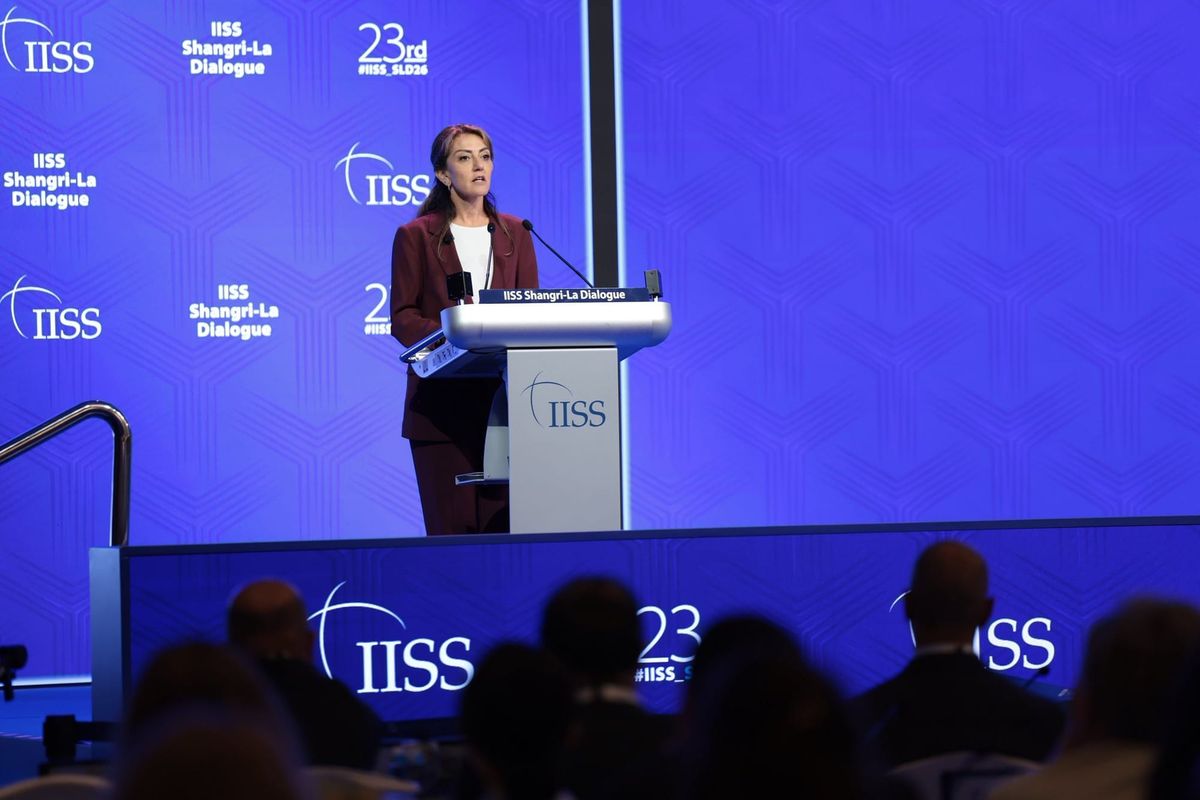
At the same time, the burden shift is becoming visible much closer to home.
Dutch military commitments in Lithuania, Estonia and Latvia continue to expand, reflecting growing European responsibility for NATO's eastern flank.
 The Hague Insider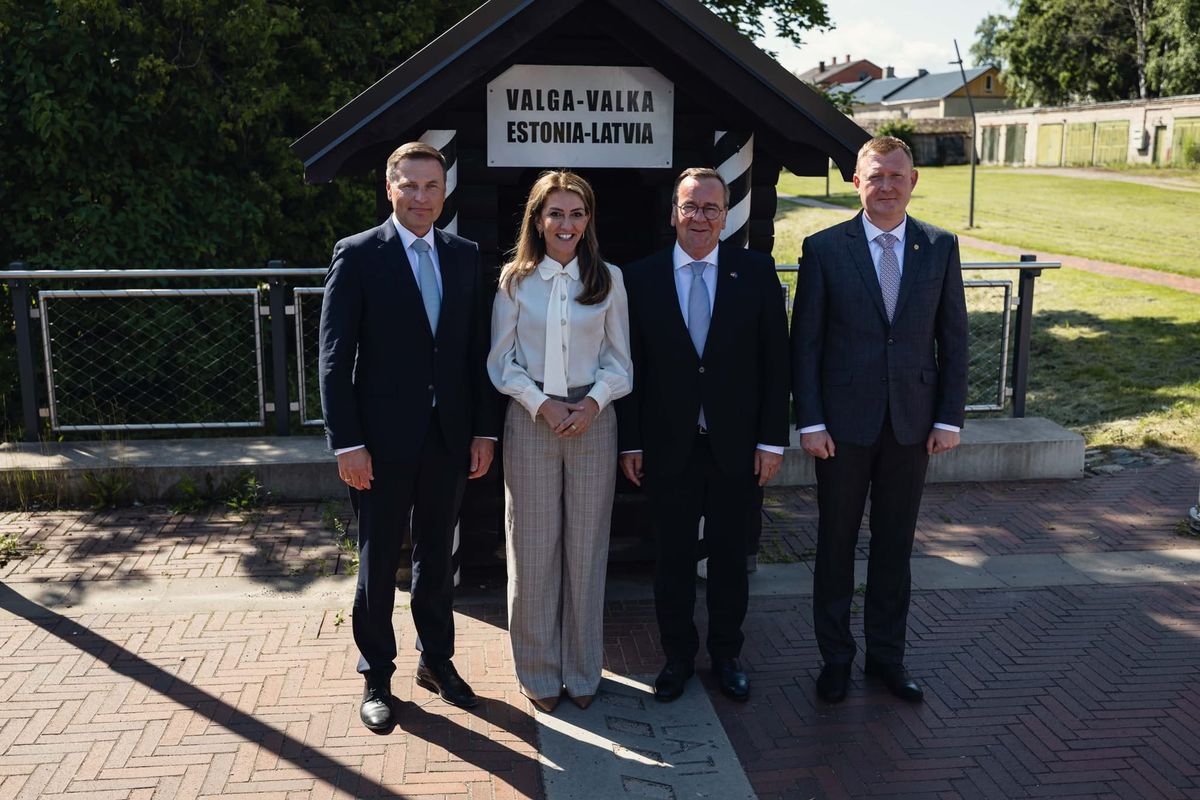
Ukraine as the New Centrepiece
The war in Ukraine has accelerated almost every trend shaping Dutch defence policy.
The Netherlands continues to increase military support while simultaneously investing in its own defence-industrial capacity.
 The Hague Insider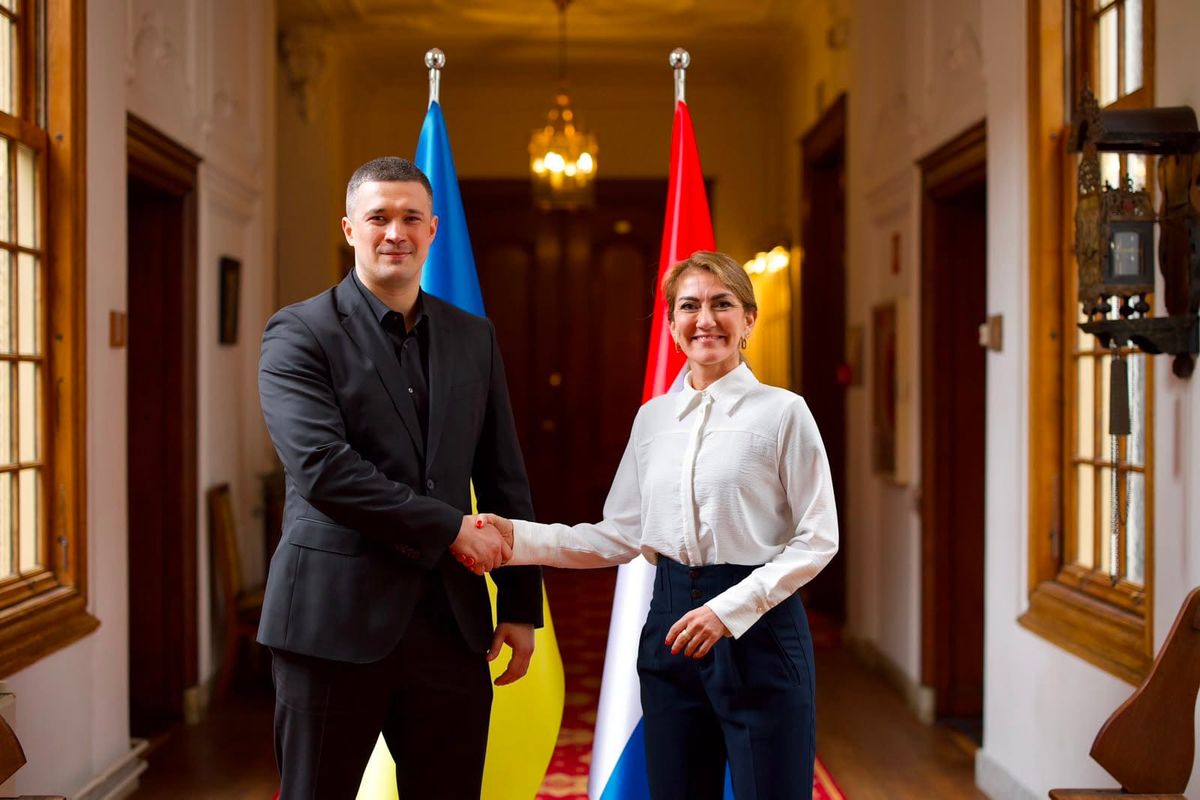
Perhaps even more significant is the growing integration of Ukraine into Europe's future security architecture.
 The Hague Insider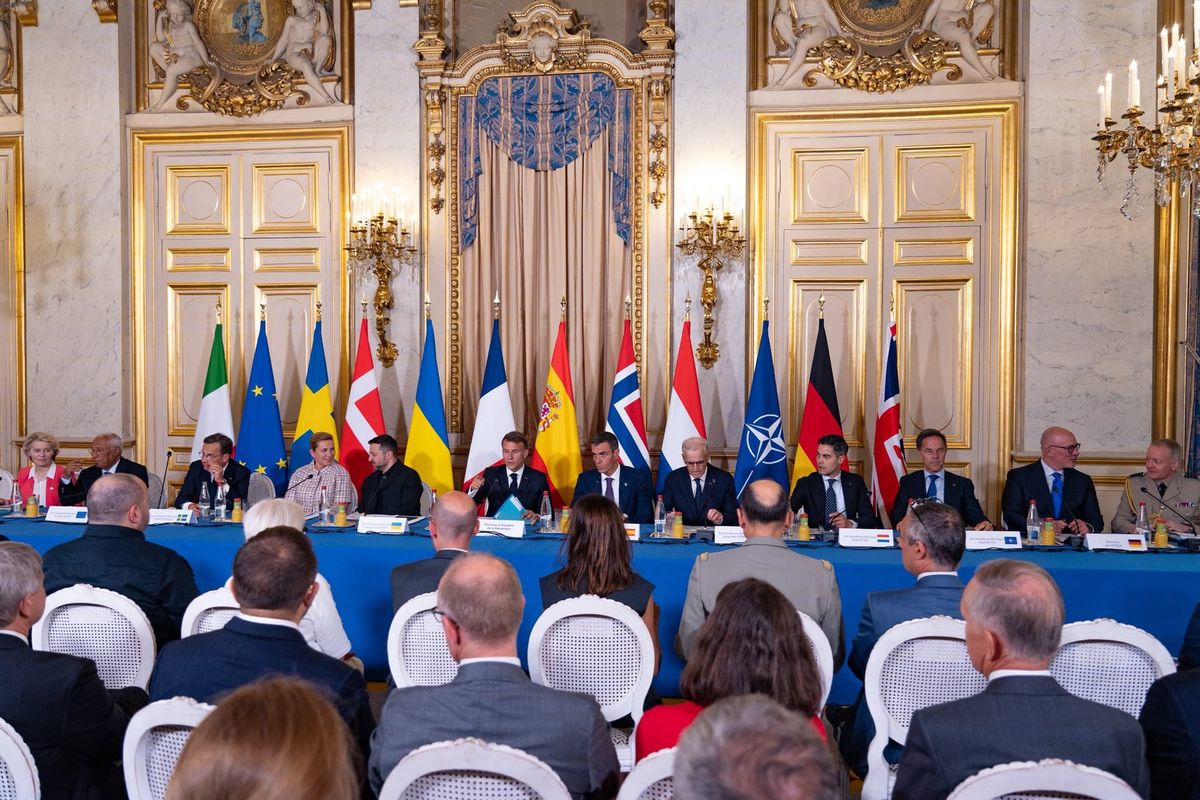
Ankara: Deals, Defence and Personal History
Few events illustrated Yeşilgöz's emerging profile better than the NATO Summit in Ankara.
The gathering became a showcase for defence procurement, industrial cooperation and multi-billion-euro agreements.
 The Hague Insider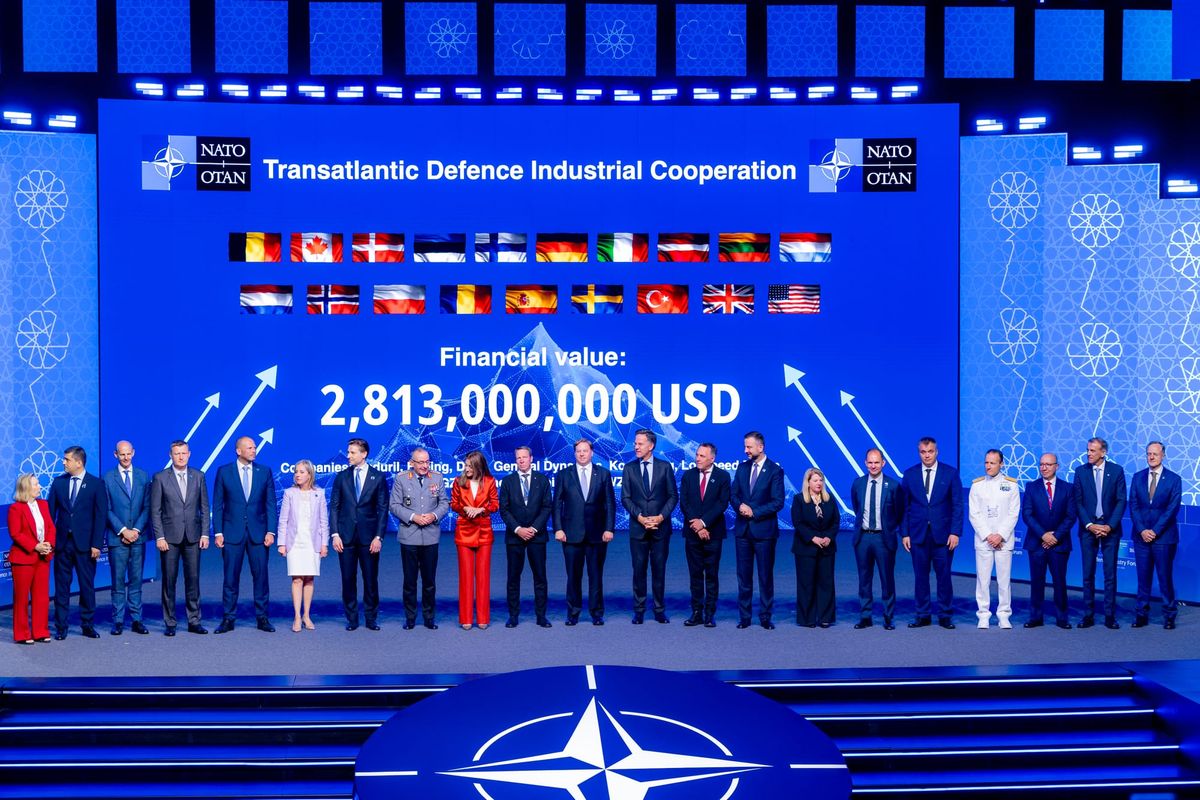
For Yeşilgöz, the summit also carried a personal dimension. Ankara was the city she fled as a child before eventually building a political career in the Netherlands.
 The Hague Insider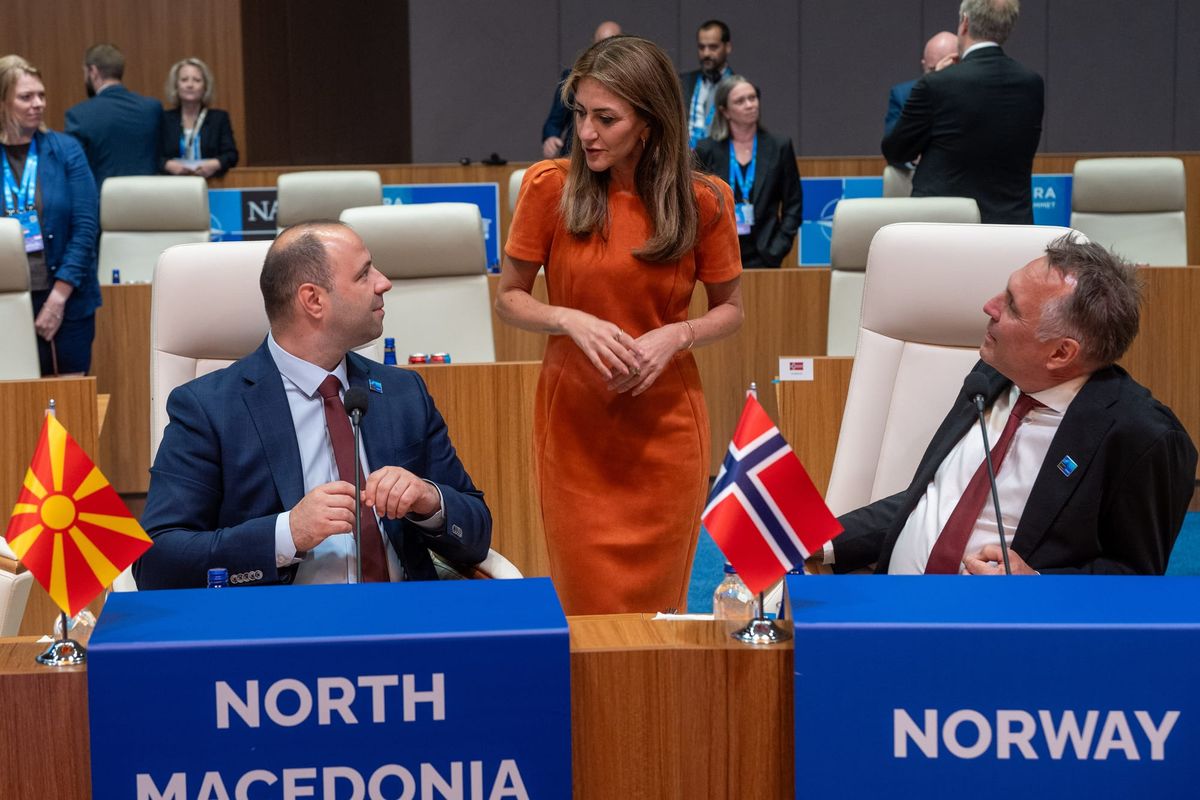
The Israel Question
Few foreign policy issues reveal Yeşilgöz's political instincts more clearly than Israel.
The Defence Minister is widely regarded in The Hague as one of the cabinet's strongest supporters of Israel. That position has occasionally placed her at odds with broader trends inside Europe and even with discussions taking place elsewhere inside the Dutch government.
The tension became visible when cabinet ministers were discussing possible pressure measures and sanctions against Israel, while Yeşilgöz simultaneously maintained close contact with Israeli representatives.
 The Hague Insider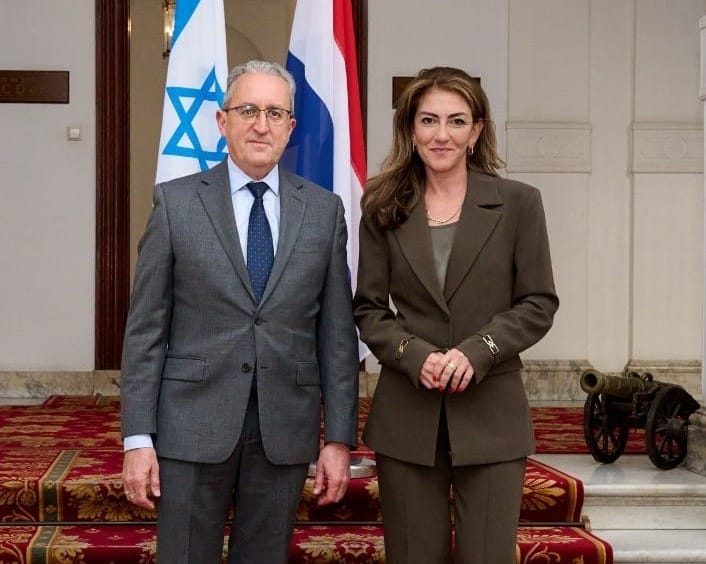
"The Israeli embassy sees her as one of the most important allies inside the Dutch government," a diplomatic source said.
The issue continues to generate debate inside coalition circles, where some regard her approach as principled and predictable, while others view it as politically sensitive at a time when European criticism of Israel is increasing.
The Bottom Line
Dilan Yeşilgöz currently occupies one of the strongest positions in Dutch politics.
Europe is rearming. Defence budgets are rising. NATO is changing. The Netherlands is taking on new responsibilities.
But with greater power comes greater scrutiny.
As billions flow into defence, questions about transparency, procurement, foreign policy and political ambition are becoming harder to avoid.
For now, Yeşilgöz sits at the centre of Dutch politics. But whether she remains as dominant will depend not only on the survival of the current coalition, but also on how the conversation inside the VVD develops about her future as party leader.
Enjoyed this Summer Briefing?
The Hague Insider provides exclusive reporting, political analysis, diplomatic insights and behind-the-scenes information from The Hague, Brussels and beyond.
 The Hague Insider