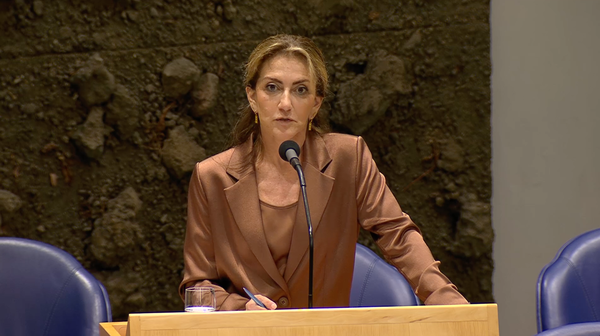
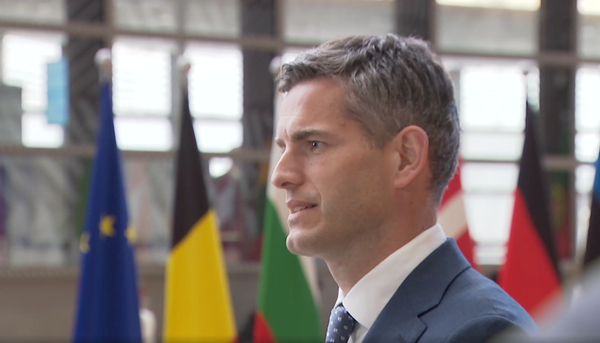
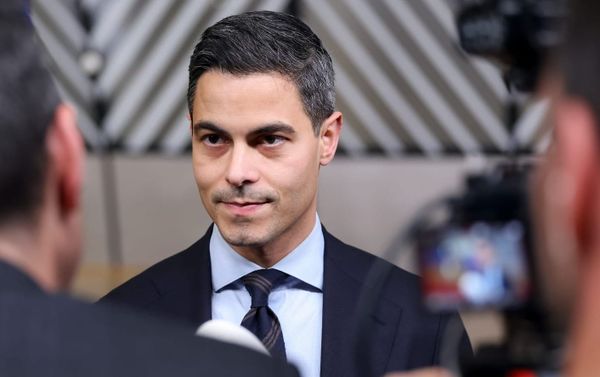
☀️ The Hague Insider Summer Briefing: the EU Budget Battle - why the Netherlands remains one of Europe’s frugal member states
Every Saturday and Sunday this summer, The Hague Insider publishes a special Summer Briefing, taking a deep dive into the politicians, companies and policy issues shaping The Hague, Brussels and beyond. Today: the Dutch position in the battle over the EU's next long-term budget — a fight that is already revealing fault lines inside government, tensions in Brussels and difficult choices for Prime Minister Jetten's cabinet.
Our Summer Briefings are freely accessible during the summer period. If you'd like full access to our reporting, analysis and exclusive insights, we currently offer special summer subscription deals:
From Chopin to Brussels: a Dutch tradition of saying "no"
The story has become part of Brussels folklore.
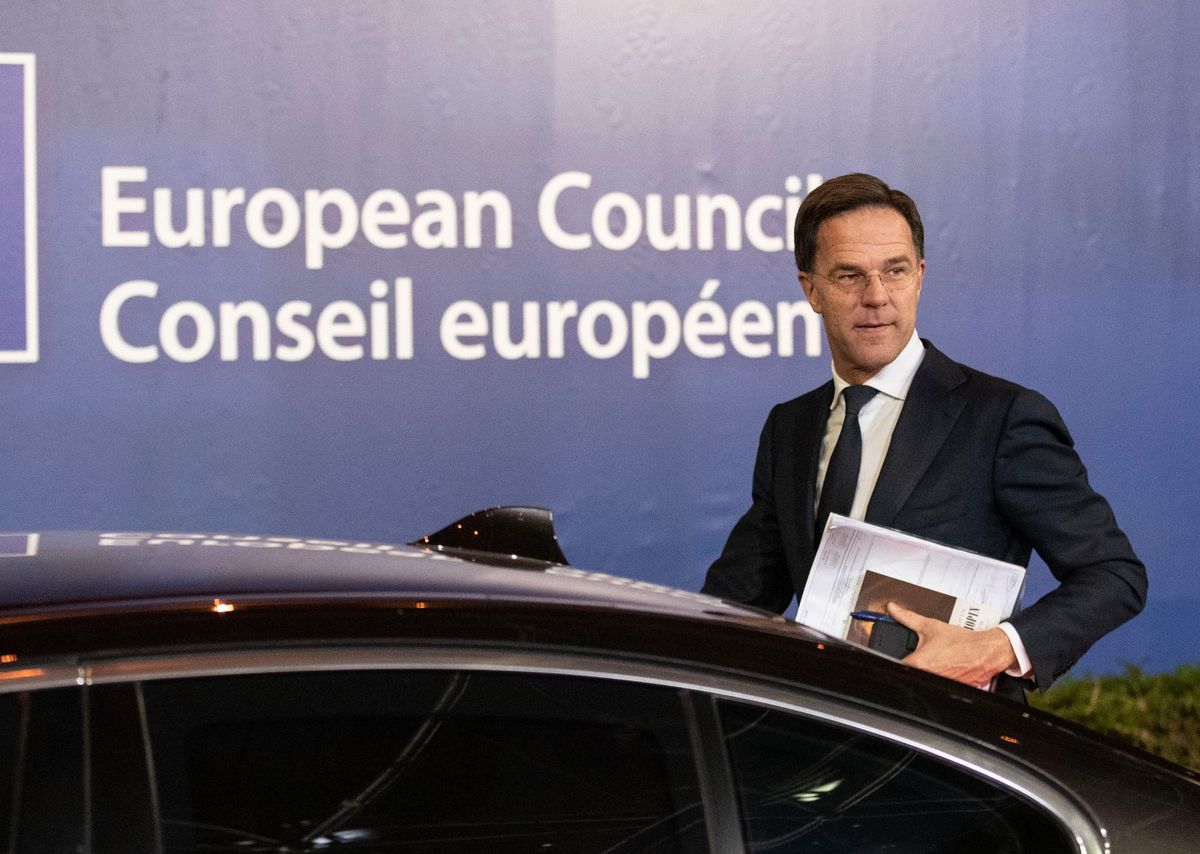
During one of the many tense European negotiations of the Mark Rutte era, the Dutch prime minister reportedly arrived with a biography of the Polish composer Frédéric Chopin under his arm. The gesture was intended as light-hearted reading material for what promised to be a long night of negotiations. Instead, it reportedly irritated German Chancellor Angela Merkel, who interpreted it as a sign that the Dutch were prepared to sit out the talks indefinitely rather than compromise.
Whether embellished or not, the anecdote captures something important about the Dutch position in Europe. When discussions turn to money, Dutch governments of almost every political colour tend to revert to a familiar role: the guardian of budget discipline, the defender of taxpayers and the leader of the so-called "frugal" camp.
Years after the bruising negotiations over the Covid recovery fund, The Hague is once again positioning itself at the forefront of resistance to a larger European budget.
The return of the frugal coalition
As we reported in April, the Netherlands under Prime Minister Jetten quickly rediscovered a familiar European identity: that of a fiscally conservative member state sceptical of increasing contributions to Brussels.
 The Hague Insider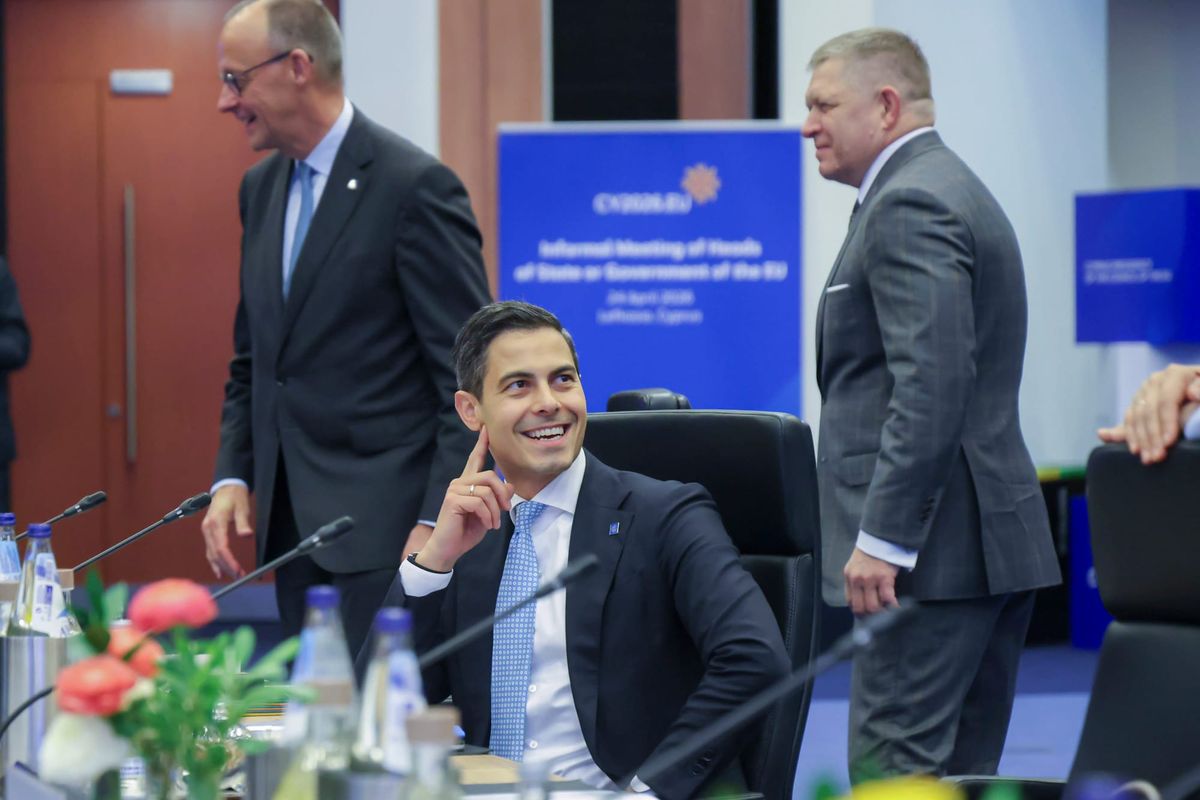
The underlying logic is straightforward. Europe is facing unprecedented demands. Defence spending is rising. Ukraine requires long-term support. Competitiveness, innovation and strategic autonomy require billions in investment. But Dutch policymakers argue that these priorities should not automatically translate into a much larger EU budget.
Instead, the Dutch line has been that Brussels should first spend existing money more efficiently, make difficult choices and demand reforms before requesting additional contributions from member states.
By May, that strategy was becoming more coordinated. The Netherlands actively started looking for allies among like-minded countries, hoping to recreate the coalition-building strategy previously used during disagreements over EU spending.
 The Hague Insider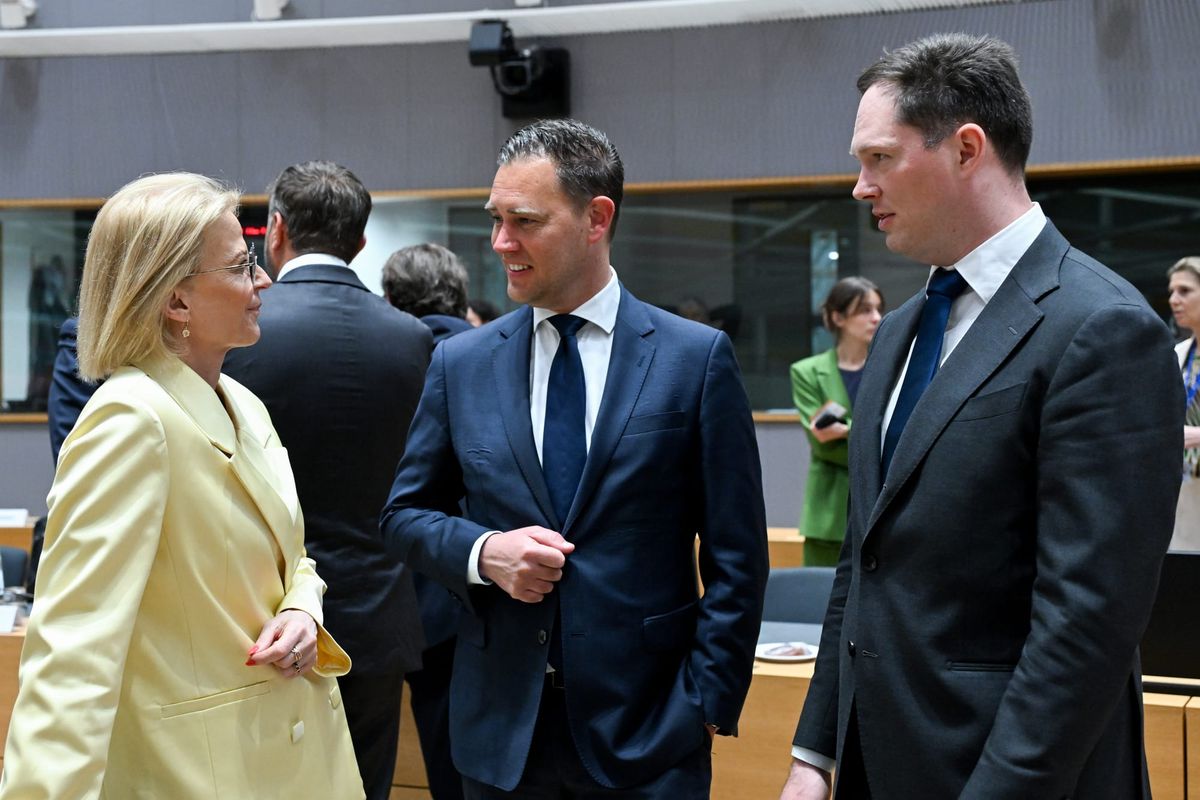
Diplomatic source:
"The Netherlands is playing this just as hard as it did during the previous negotiations. The risk, however, is that the eventual cuts end up hitting precisely the areas that matter most to the Dutch economy, such as innovation, research and science."
That warning reflects a recurring dilemma in Brussels. Countries that fight hardest against overall spending increases do not always control where the eventual savings are found.
Heinen emerges as the hardliner
As the negotiations intensified, one figure increasingly emerged as the toughest voice inside the Dutch government: Finance Minister Eelco Heinen.
In late May, the Dutch cabinet openly objected to rising Dutch contributions to the next EU budget and described several financial scenarios as unacceptable.
 The Hague Insider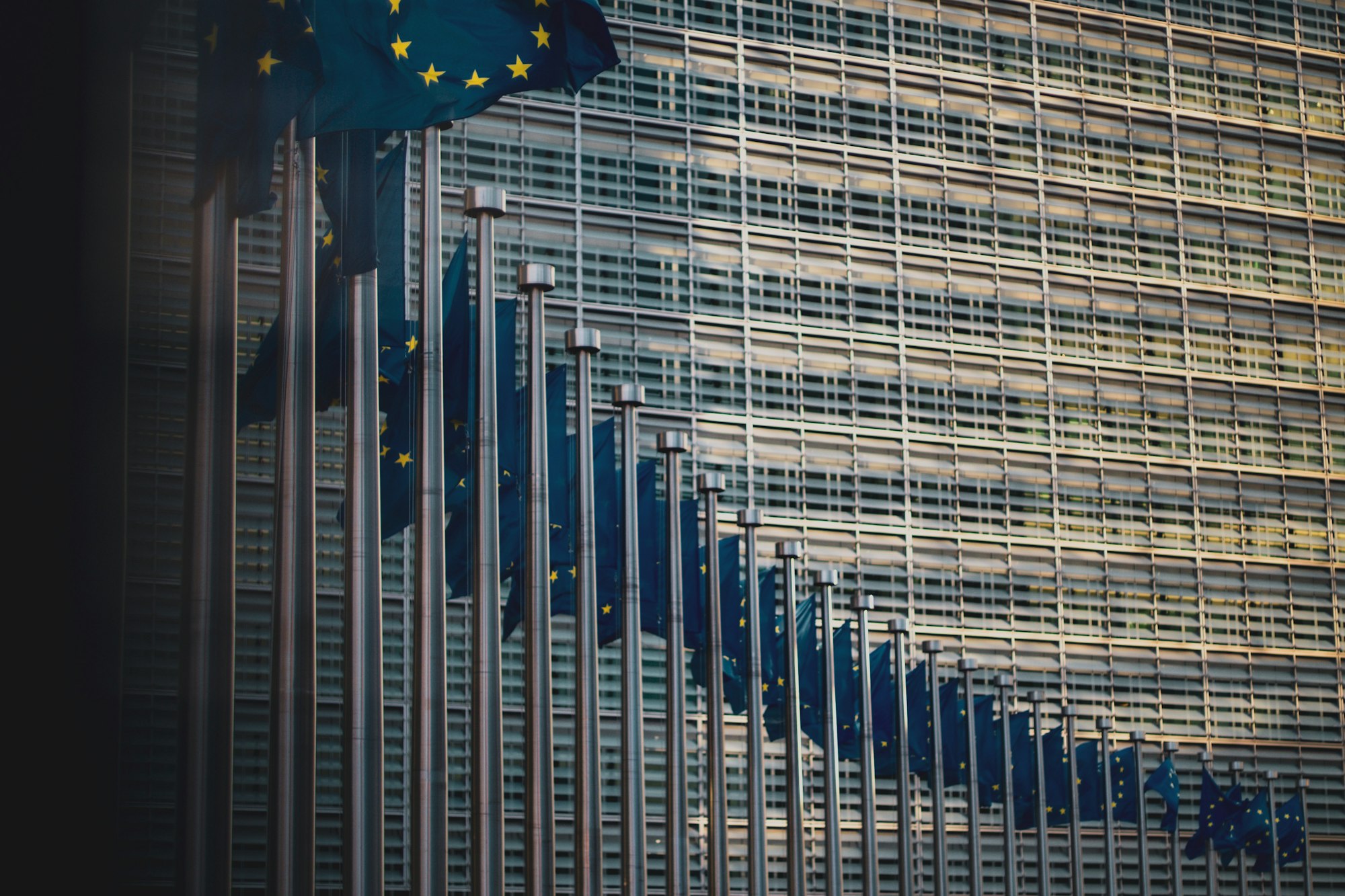
Behind the scenes, insiders suggest the strongest resistance may not even be coming from the prime minister.
Source within a ministry:
"Heinen is taking an extremely hard line — perhaps even harder than Prime Minister Jetten and Foreign Minister Berendsen. Jetten is instinctively more pro-European, while Berendsen, after years in the European Parliament, strongly appreciates the importance of European compromise."
That distinction matters.
While the outside world often sees a single Dutch position, Brussels negotiators understand that important differences exist within the cabinet. Jetten ultimately wants a successful European outcome. Berendsen is deeply embedded in the European political culture. Heinen, by contrast, is focused on the Dutch balance sheet and appears determined to prevent a significant rise in Dutch contributions.
A trillion confrontation
The conflict became fully visible in June when Finance Minister Heinen publicly rejected the European Commission's proposal for a budget approaching €1.95 trillion.
 The Hague Insider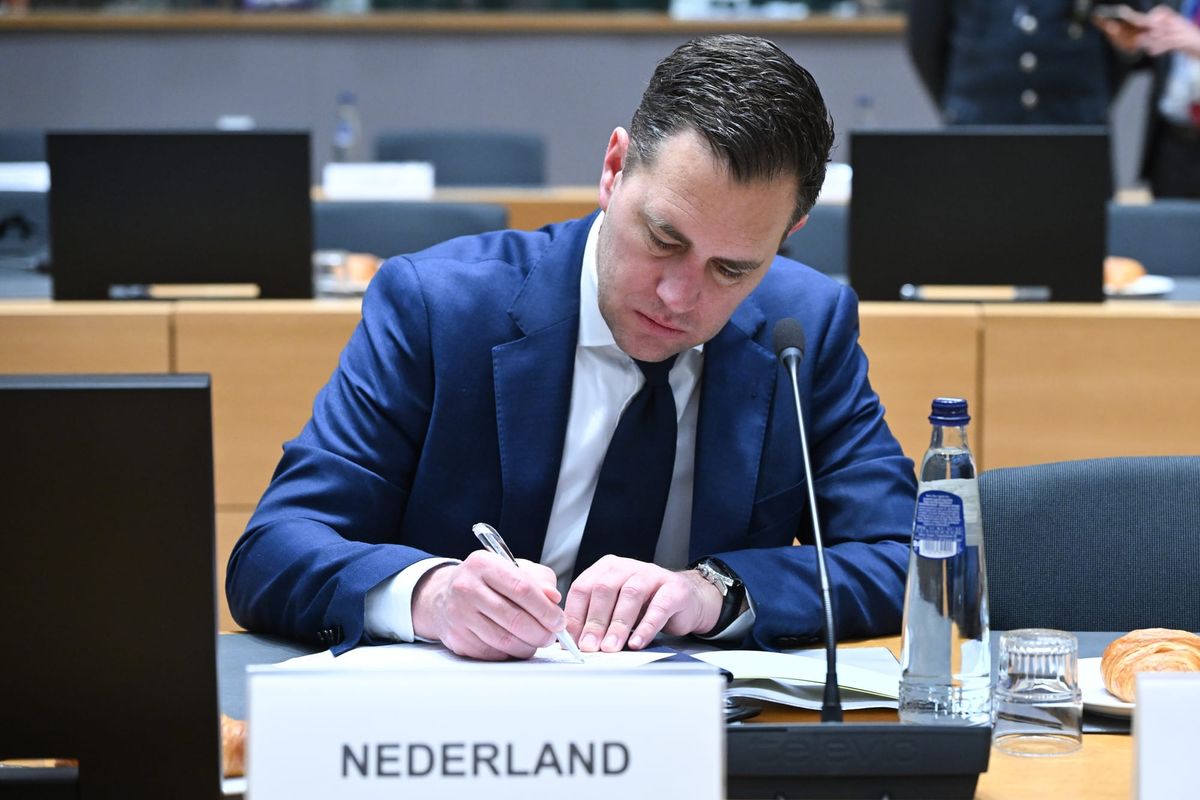
The Dutch government argues that Europe cannot simply respond to every new challenge by increasing spending. Brussels, meanwhile, argues that the geopolitical environment has fundamentally changed and requires larger collective investments.
This disagreement will define much of the coming negotiation process.
And the stakes extend far beyond accounting. The outcome will help determine how much Europe spends on defence, competitiveness, infrastructure, enlargement preparations, innovation, migration management and support for Ukraine.
Lessons from the Covid recovery fund
Veterans of previous negotiations see familiar patterns emerging.
Senior Brussels source:
"The positions taken by Jetten and Heinen are not without risks. Rutte and Hoekstra experienced exactly that during the negotiations over the Covid recovery fund."
The reference is telling.
The Dutch government fought fiercely during those negotiations and won several concessions. Yet many European diplomats still remember the frustration created by the Dutch approach. Some officials warn that if the Netherlands becomes isolated again, it could discover that hard bargaining eventually produces political costs as well as financial gains.
That does not mean The Hague will change course. But it does mean the government must carefully balance domestic political demands against its broader strategic interests in Europe.
The Dutch demands
In Brussels, there is sometimes a sense of irritation at the long list of Dutch demands. During the previous budget negotiations, the Netherlands insisted on strict reform conditions for member states seeking European funding. Yet, as we reported in May, The Hague has since struggled to meet several of its own reform commitments linked to EU funds.
 The Hague Insider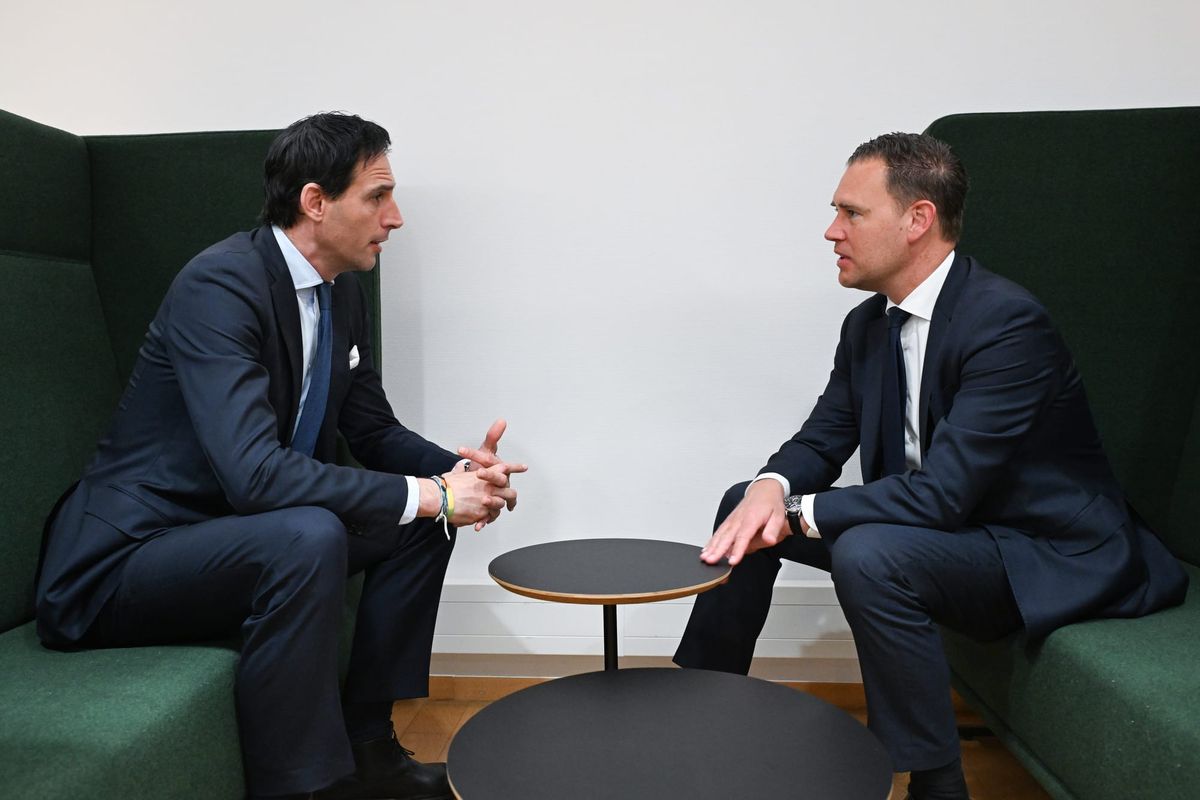
The irony was not lost on Brussels. Some diplomats quietly admit it prompted a degree of schadenfreude among officials who had grown accustomed to Dutch lectures on fiscal discipline and structural reform.
What happens next?
The coming months will see increasingly intense negotiations between member states, the European Commission and the European Parliament.
The core Dutch priorities are becoming clearer:
- Limiting growth in overall EU spending.
- Opposing excessive increases in Dutch contributions.
- Demanding reforms before additional funding.
- Protecting spending on innovation, competitiveness and research.
- Ensuring new European priorities do not automatically translate into permanent new financial obligations.
The challenge for Prime Minister Jetten will be maintaining Dutch credibility in Brussels while preserving unity inside his own cabinet.
The challenge for Finance Minister Heinen will be transforming a firm negotiating position into a successful final outcome.
And the challenge for Europe will be finding enough money to deal with a continent facing war, rearmament, economic competition and geopolitical uncertainty — without losing support from its most fiscally conservative members.
Enjoyed this Summer Briefing?
The Hague Insider provides exclusive reporting, political analysis, diplomatic insights and behind-the-scenes information from The Hague, Brussels and beyond.
 The Hague Insider