The Netherlands says no - Finance Minister Heinen rejects new proposal EU budget as "unacceptable, unaffordable and unbalanced"
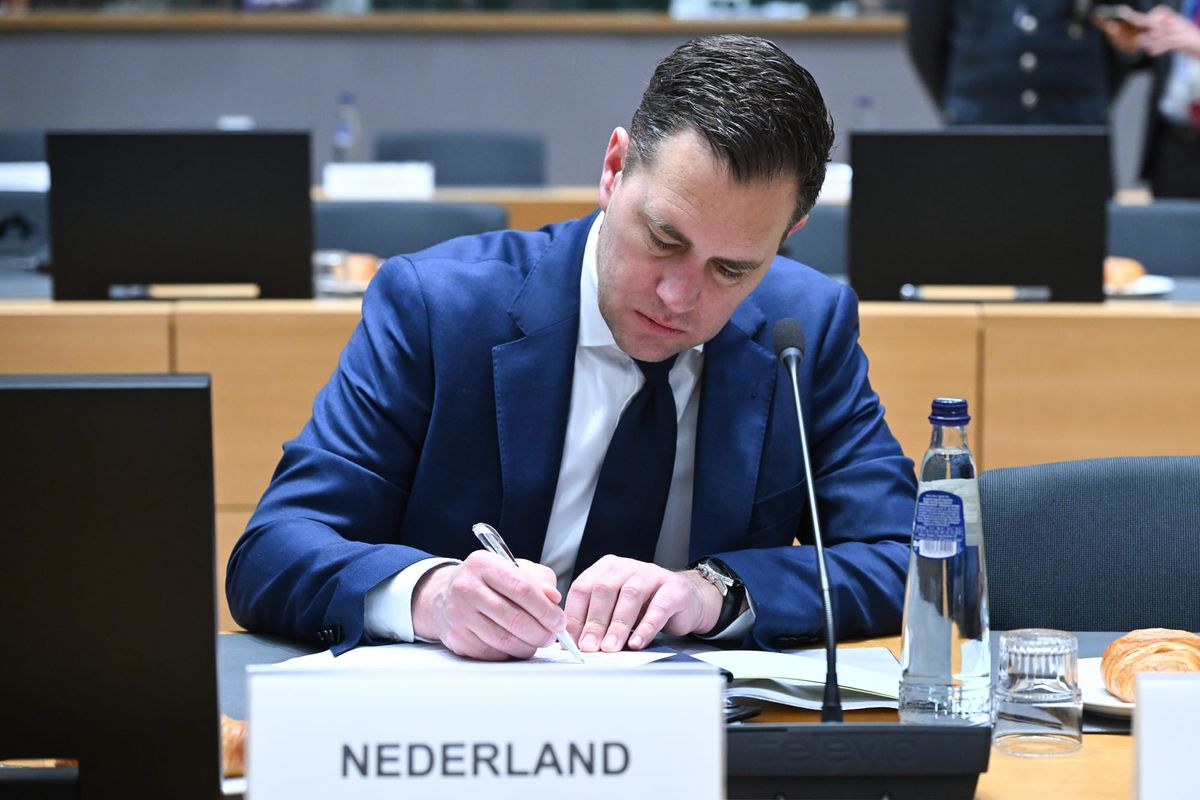
The Dutch government has firmly rejected a new proposal for the European Union’s next multiannual financial framework (MFF), underscoring its continued alignment with ‘frugal’ member states pushing for a smaller and more disciplined EU budget.
Cyprus, which currently holds the EU Council presidency, presented a new proposal on Thursday for a seven-year EU budget of approximately €1.95 trillion for the 2028–2034 period. The figure represents a modest reduction of around 2% compared to the European Commission’s earlier €2 trillion proposal.
Heinen
However, Dutch Finance Minister Eelco Heinen made clear that the revised plan does little to address the Netherlands’ core objections.
“This proposal is unacceptable to the Netherlands. It is unaffordable, unbalanced, and sets the wrong priorities. The overall size remains far too large at a time when fiscal space is limited across Europe and tough choices are unavoidable", Heinen said.
Heinen’s sharp criticism reflects a broader Dutch stance that the overall size of the EU budget remains excessive, particularly at a time when many member states are facing fiscal constraints and rising national expenditure pressures.
"This proposal invests in the priorities of yesterday at the expense of the challenges of tomorrow. The only positive aspect of this proposal is that it shows how not to do it.”
Divisions among EU member states
Cypriot Minister for European Affairs Marilena Raouna defended the proposal as a “balanced compromise,” noting that it attempts to bridge a widening gap between member states.
 The Hague Insider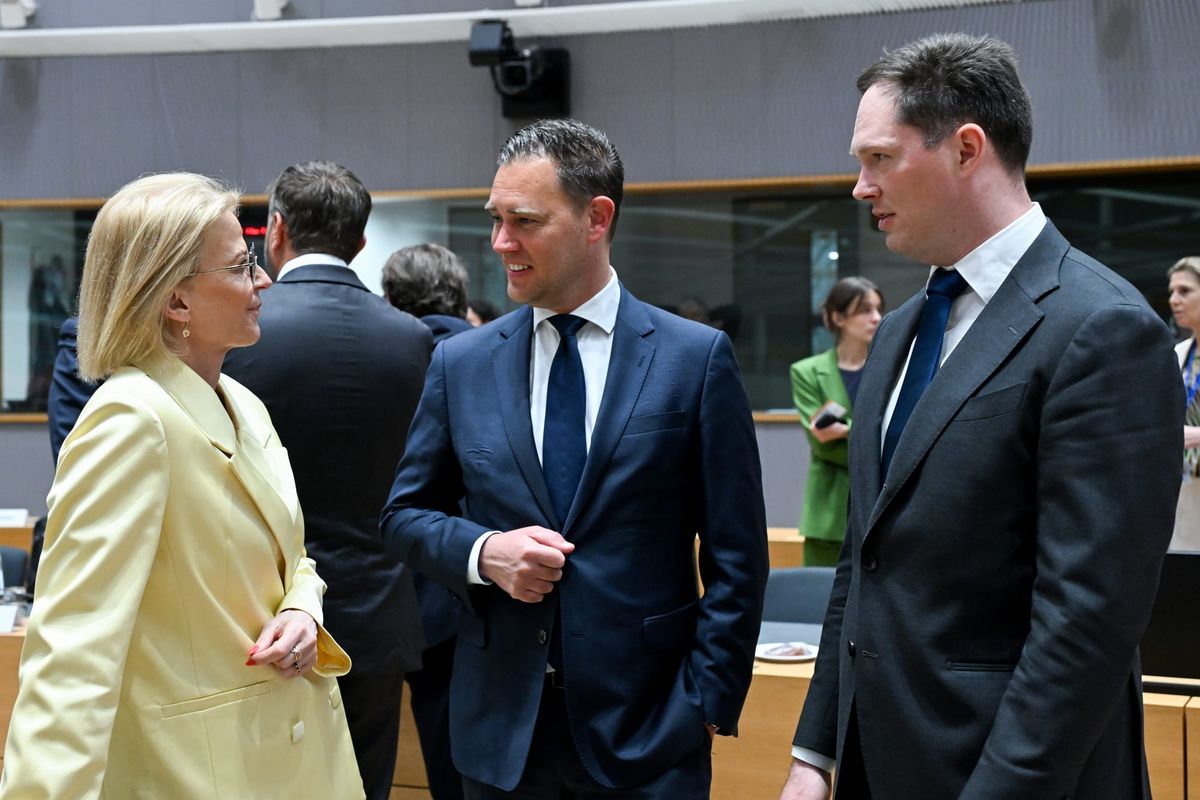
While countries such as the Netherlands and other fiscally conservative governments argue that the Commission’s proposal is too high, others have called for a significantly larger budget to fund new priorities, including defense, green transition, and industrial policy.
The Dutch response closely mirrors its traditional role in EU budget negotiations as part of the ‘frugal’ camp, alongside countries such as Austria, Sweden, and Denmark.
As in previous MFF rounds, The Hague is prioritizing strict budgetary discipline, a limited overall envelope, and a reallocation of spending towards new policy challenges rather than legacy programmes.
Heinen’s language underscores a familiar Dutch strategy: early, principled resistance to high headline figures in order to shape the negotiating space from the outset. This posture not only reflects domestic fiscal caution but also positions the Netherlands as a key counterweight to southern member states advocating for a more expansive EU budget.
Raouna emphasized that the figures presented are merely a starting point for negotiations. “The first numbers” are still subject to change, she indicated, as member states seek to converge on a common position.
The goal remains to reach an agreement among EU governments by the end of the year, after which negotiations with the European Parliament can begin. The Parliament is expected to push for a substantially larger budget, reportedly in the range of €2.2 trillion.
 The Hague Insider