☀️ The Hague Insider Summer Briefing: Dutch Foreign Minister Tom Berendsen — inside the minister's first months
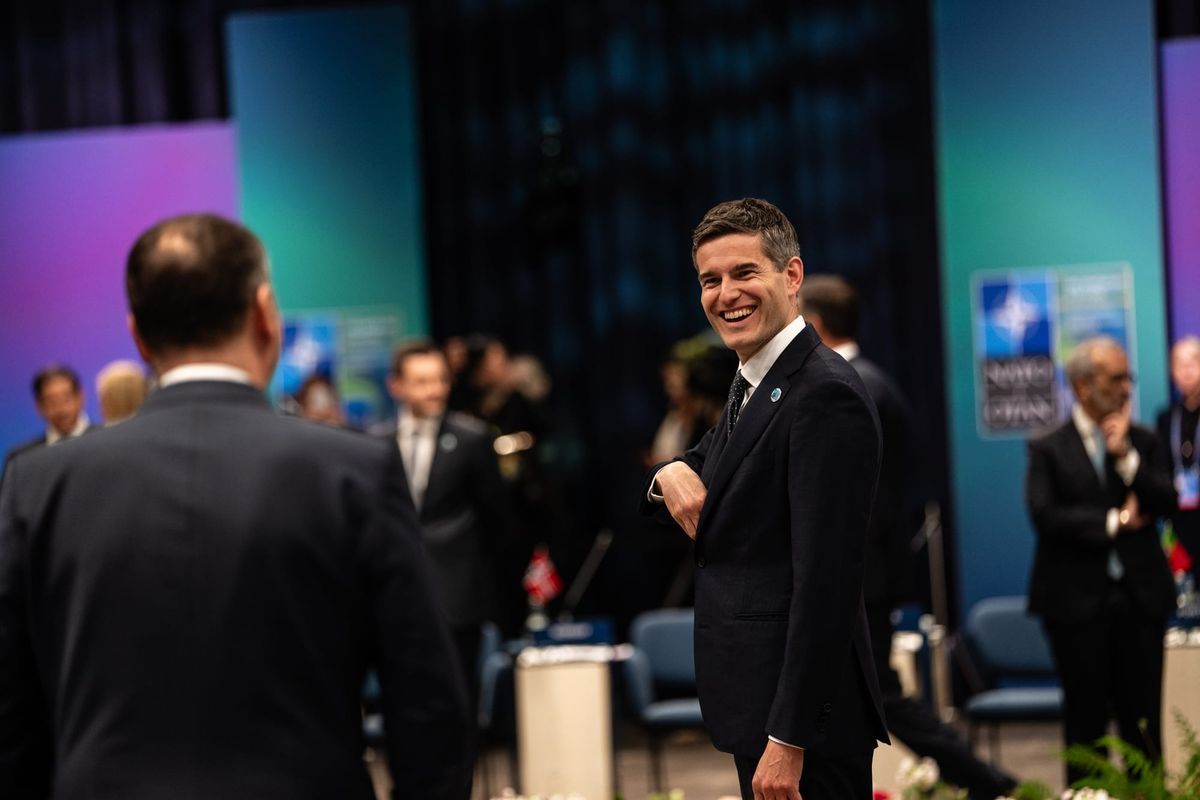
Every Saturday and Sunday this summer, The Hague Insider publishes a special Summer Briefing, taking a deep dive into the politicians, companies and policy issues shaping The Hague, Brussels and beyond. Today: Dutch Foreign Minister Tom Berendsen. From Israel and Iran to NATO, Europe, Syria and the future of the transatlantic alliance, few Dutch ministers have had to navigate as many geopolitical storms in their first months in office as Foreign Minister Tom Berendsen. His appointment surprised some observers. How has Berendsen performed so far? What are the key themes of his foreign policy? And what do insiders in The Hague, Brussels and the Foreign Ministry say about his rise?
Our Summer Briefings are freely accessible during the summer period. If you'd like full access to our reporting, analysis and exclusive insights, we currently offer special summer subscription deals:
His appointment: a surprise?
When it became clear that the CDA would join the governing coalition and was likely to secure the Foreign Affairs portfolio, speculation in The Hague quickly centred on one name: Esther de Lange. The veteran former MEP had long been regarded as one of the party's most experienced figures on European affairs, and many assumed she would be the natural choice to lead Dutch diplomacy.
Yet Berendsen got the job.
The explanation, according to several party insiders, lies partly in his close relationship with CDA leader Henri Bontenbal. Both men played important roles in rebuilding the party after years of electoral decline.
“Berendsen mainly became minister because of his relationship with Bontenbal. Bontenbal led the national campaign, Berendsen represented the party in Europe. Together they tried to rebuild the CDA.”
— CDA source
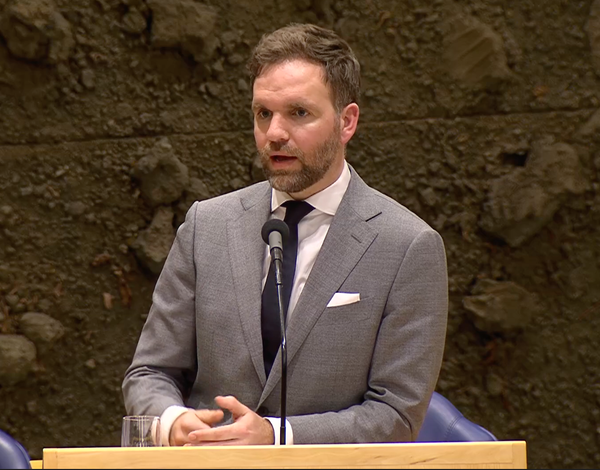
His first months in office have not been without challenges. In parliamentary debates, Berendsen has occasionally appeared less comfortable than seasoned ministers.
 RTL Nieuws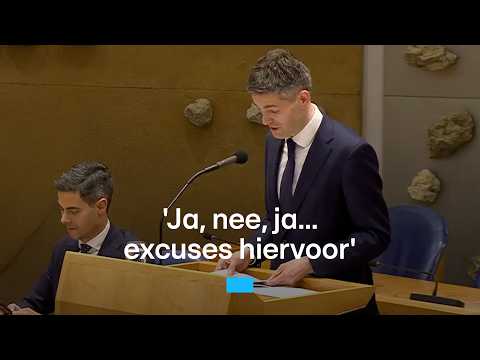
Brussels, Europe and the road to The Hague
Before entering the Dutch cabinet, Berendsen spent years in the European Parliament. Europe continues to shape much of his worldview.
Yet his reputation in Brussels was mixed.
“Within the EPP and the European Parliament, Berendsen was not considered a major standout. He largely secured his position on the list because of his Brabant roots, which the CDA hoped would attract voters.”
— Brussels source
Whether fair or not, that criticism contrasts sharply with the responsibilities he now holds, as minister of Foreign Affairs. The clearest outline of Berendsen's foreign-policy vision appeared in:
 The Hague Insider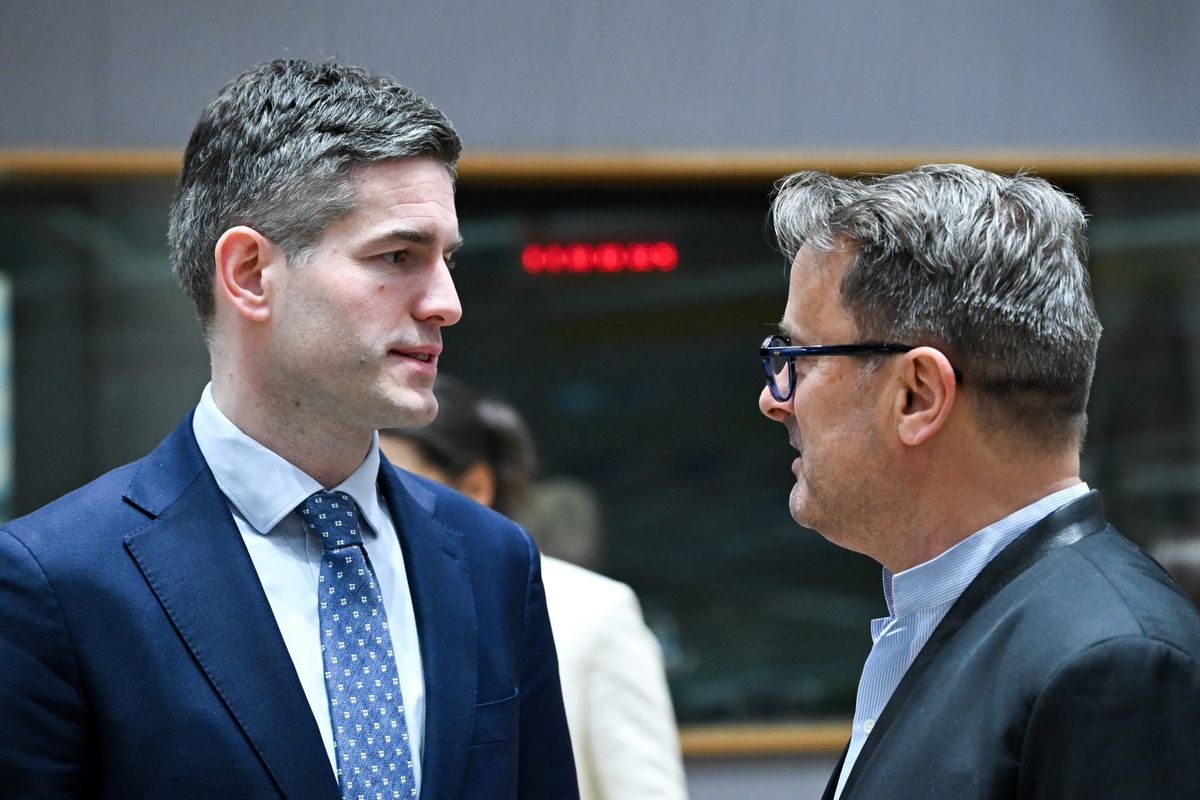
The message was unmistakable.
Russia is identified as the primary threat to European security. The Netherlands must become more strategically European. The country should reduce certain dependencies on the United States while continuing to value the transatlantic partnership.
This theme runs through almost every major foreign-policy decision Berendsen has taken since entering office.
Europe matters more than ever
At a time when Europe faces pressure from Russia, economic competition from China and uncertainty in Washington, Berendsen has repeatedly argued that European coordination is becoming increasingly important.
 The Hague Insider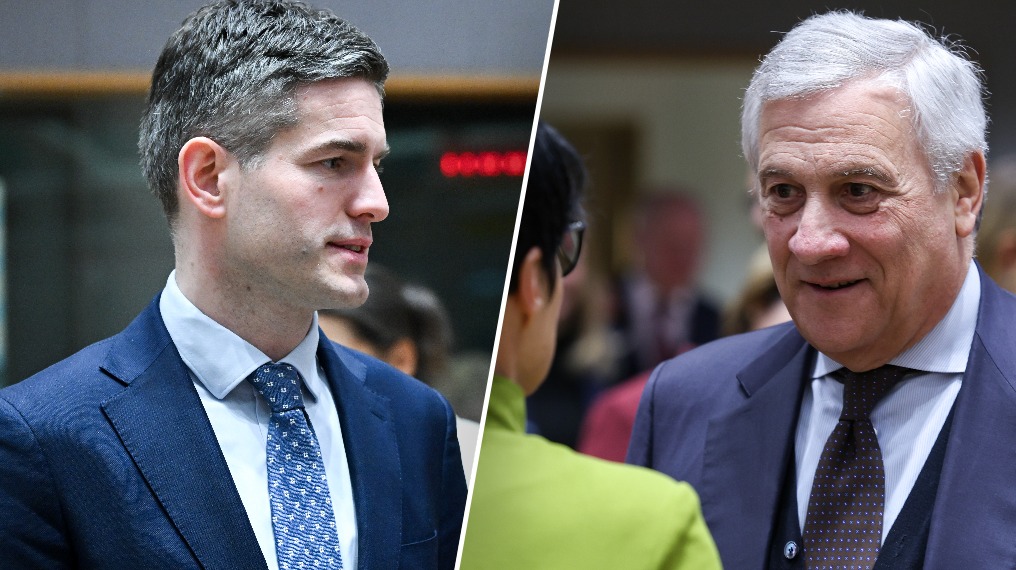
His diplomacy often emphasises coalitions of like-minded European countries rather than acting alone.
The changing relationship with Washington and within NATO
Perhaps no subject better illustrates Europe's new reality than Berendsen's remarks on the United States.
 The Hague Insider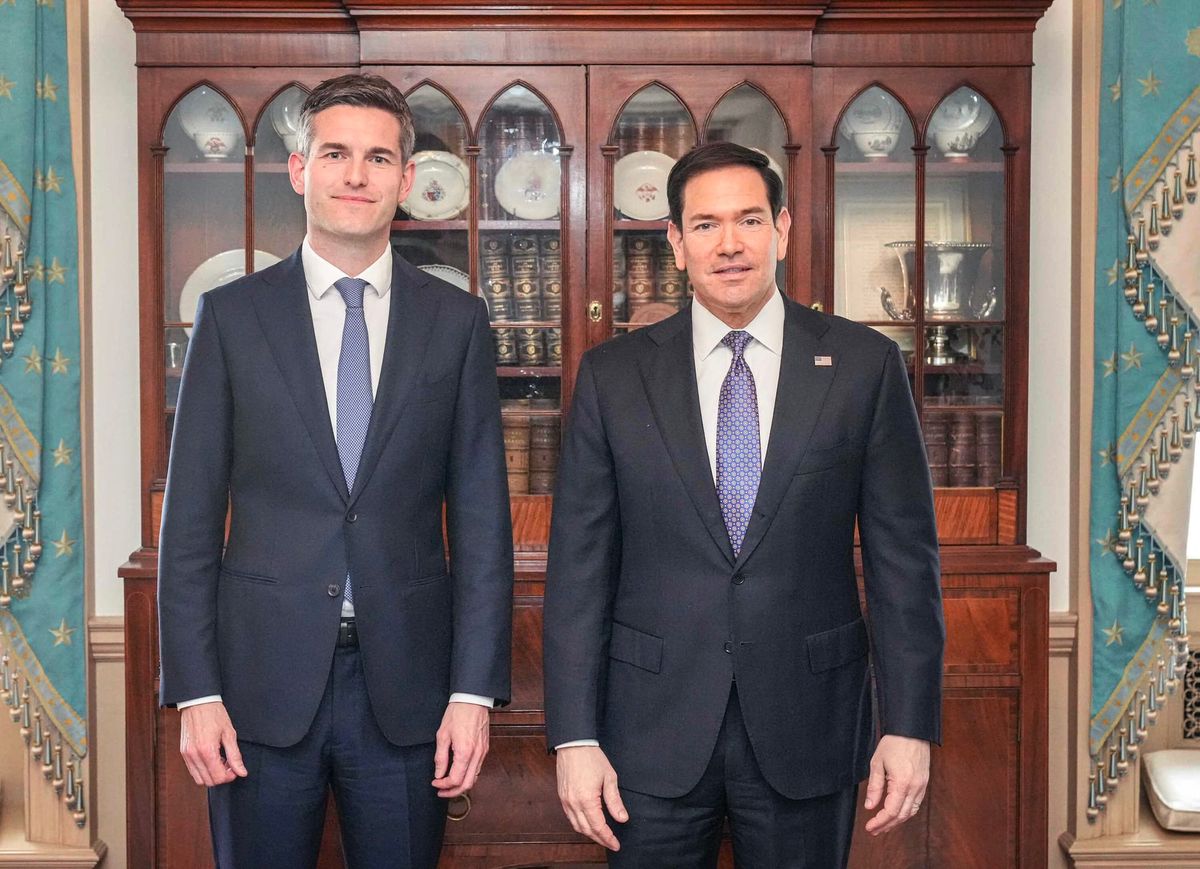
Although he remains an Atlanticist, Berendsen has openly acknowledged that Washington has become less predictable than in previous decades.
Berendsen has argued that Europe must shoulder a larger share of NATO's burden while remaining firmly committed to collective defence.
 The Hague Insider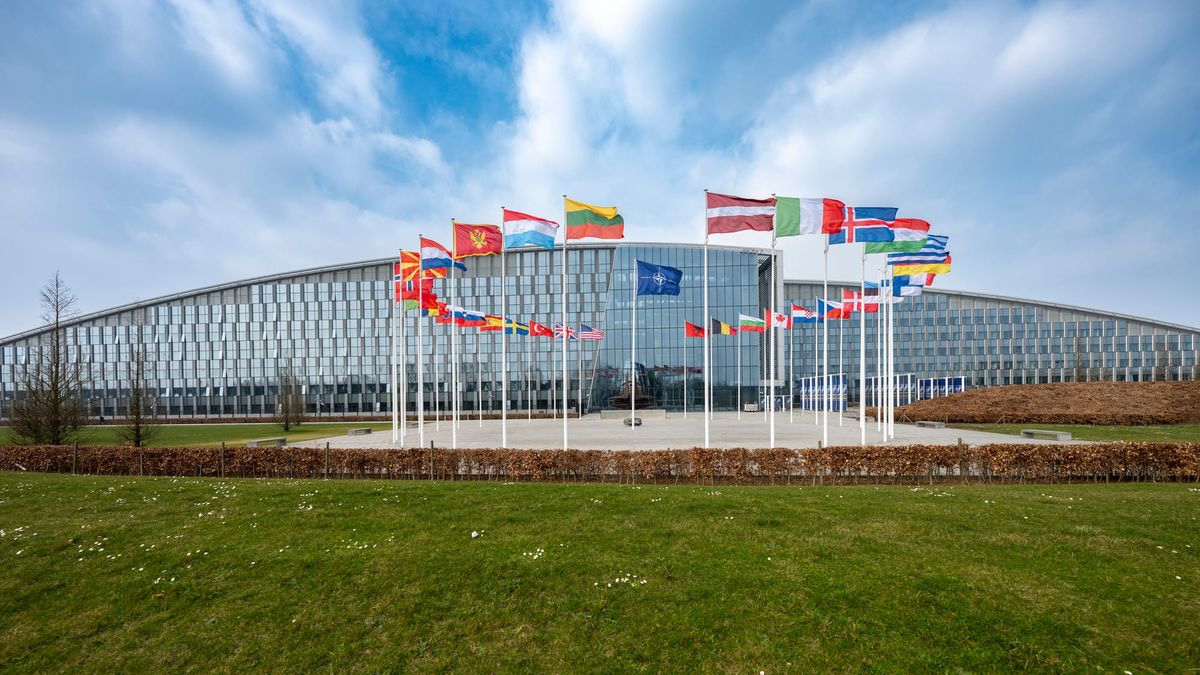
The underlying message is consistent: Europeans can no longer assume America will carry the same share of responsibilities forever.
The war in Iran
The Iran crisis became one of the first major international tests of his tenure.
 The Hague Insider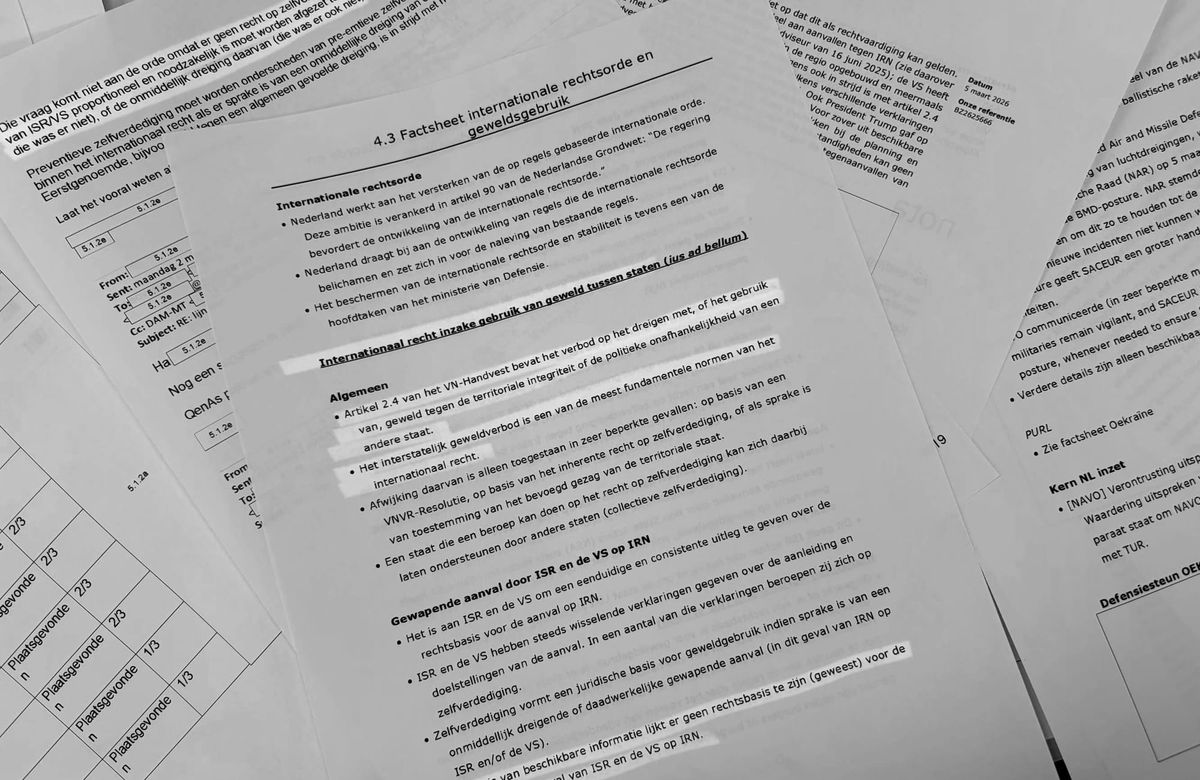
Berendsen warned about the economic and strategic consequences of disruptions in the Strait of Hormuz and the Red Sea. Energy security, trade routes and international law all became central themes.
 The Hague Insider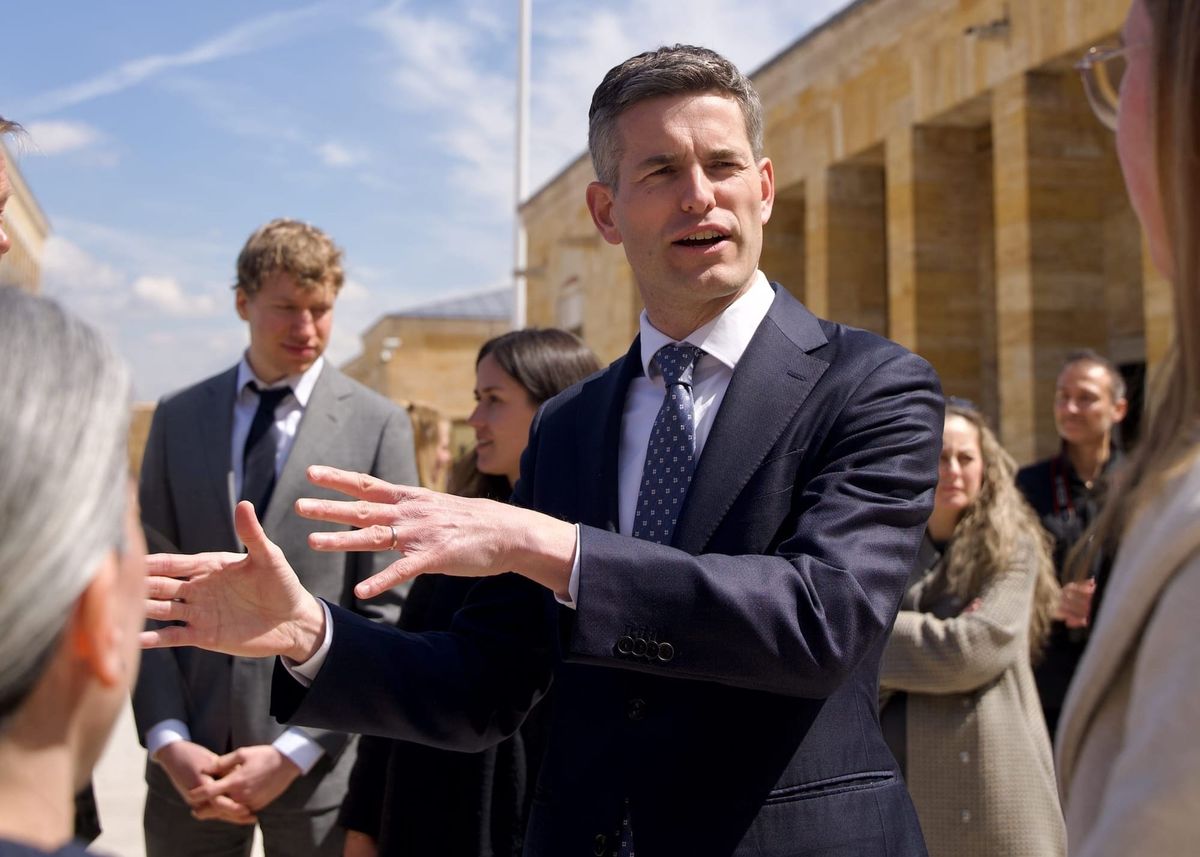
These crises also exposed a broader challenge that increasingly confronts Dutch diplomacy: balancing relations with Washington while defending international legal norms.
As foreign minister of the country that hosts the world's most important international courts, Berendsen also finds himself deeply involved in debates about international justice and the International Criminal Court in The Hague.
 The Hague Insider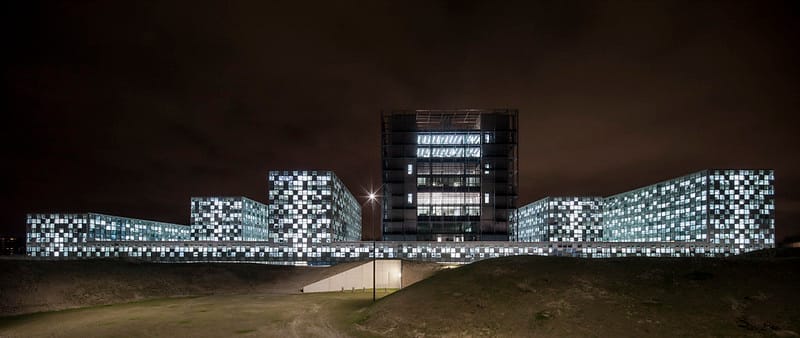
The potential political fallout of the ICC crisis illustrates the delicate balance facing Dutch foreign policy: defending international institutions while navigating increasingly polarised international politics.
China and building partnerships with middle powers
During his years in the European Parliament, he built a reputation as a vocal critic of Beijing. He regularly warned about economic dependencies, Chinese influence operations and the strategic risks of allowing critical sectors to become overly reliant on China.
“Berendsen was highly critical of China during his time in the European Parliament. In government, however, the cabinet has adopted a more moderate tone. You see the same shift among other ministers, like Sjoerdsma.”
— Foreign Ministry insider
Yet the tone coming from the Dutch cabinet today is noticeably different. While concerns about security, technology and economic coercion remain, Berendsen now operates within a government that is trying to balance geopolitical caution with economic reality.
 The Hague Insider
His strategy appears to be less about confronting China directly and more about diplomacy and reducing dependence by building stronger ties with alternative partners across Asia. Through deeper cooperation with countries such as the Philippines, Indonesia and other ASEAN members.
 The Hague Insider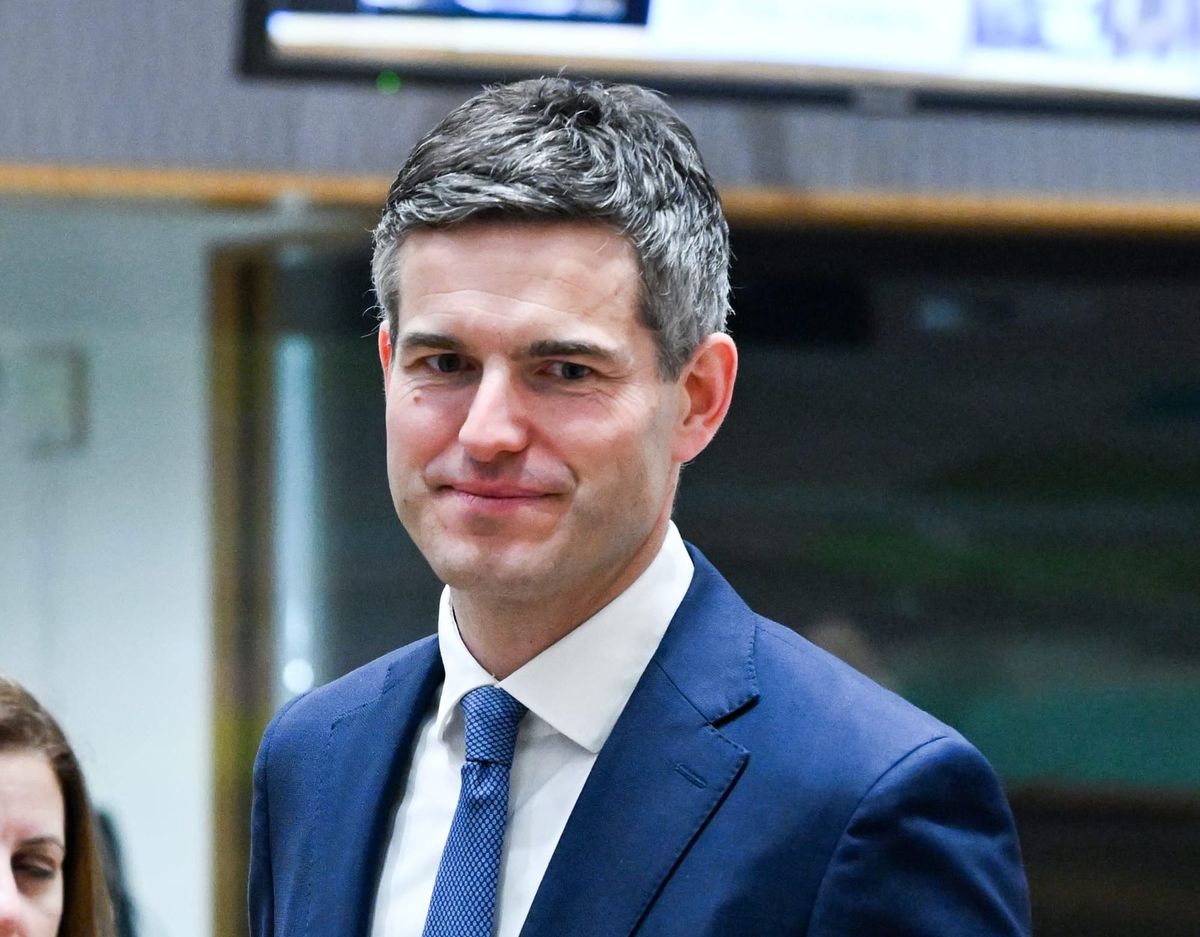
Syria and migration diplomacy
The fall of the Assad regime opened new diplomatic opportunities, for Europe and The Netherlands with Syria.
 The Hague Insider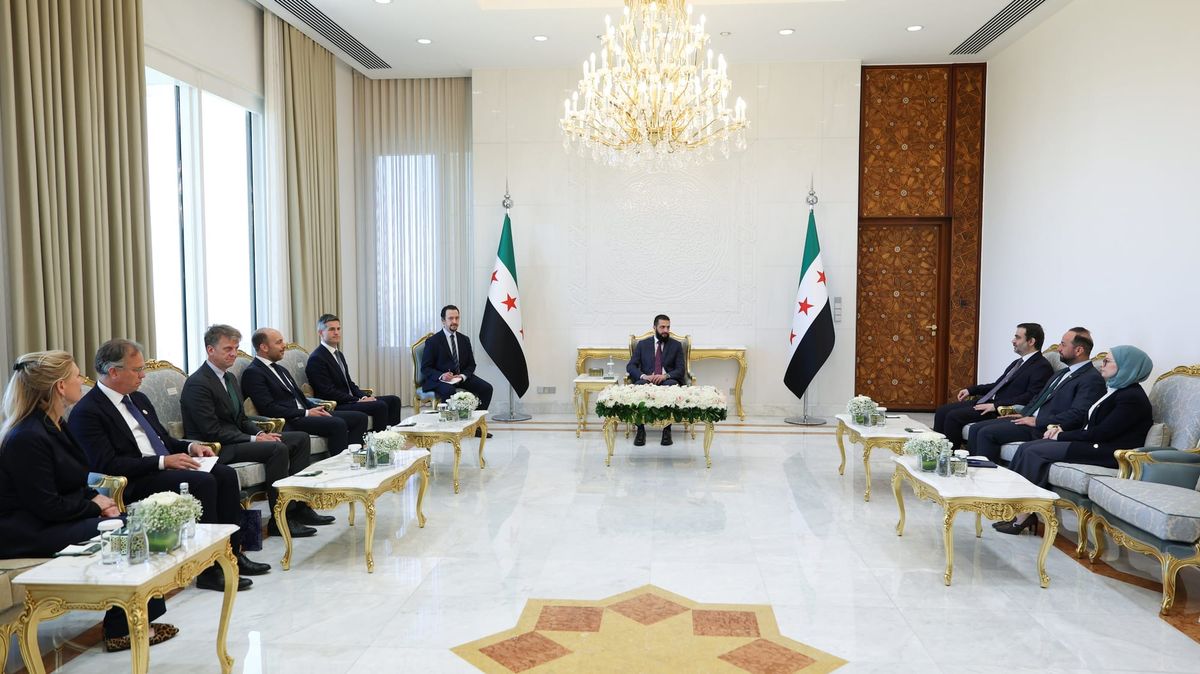
Berendsen wants cautious engagement with the new authorities in Damascus while simultaneously focusing on migration and regional stability.
 The Hague Insider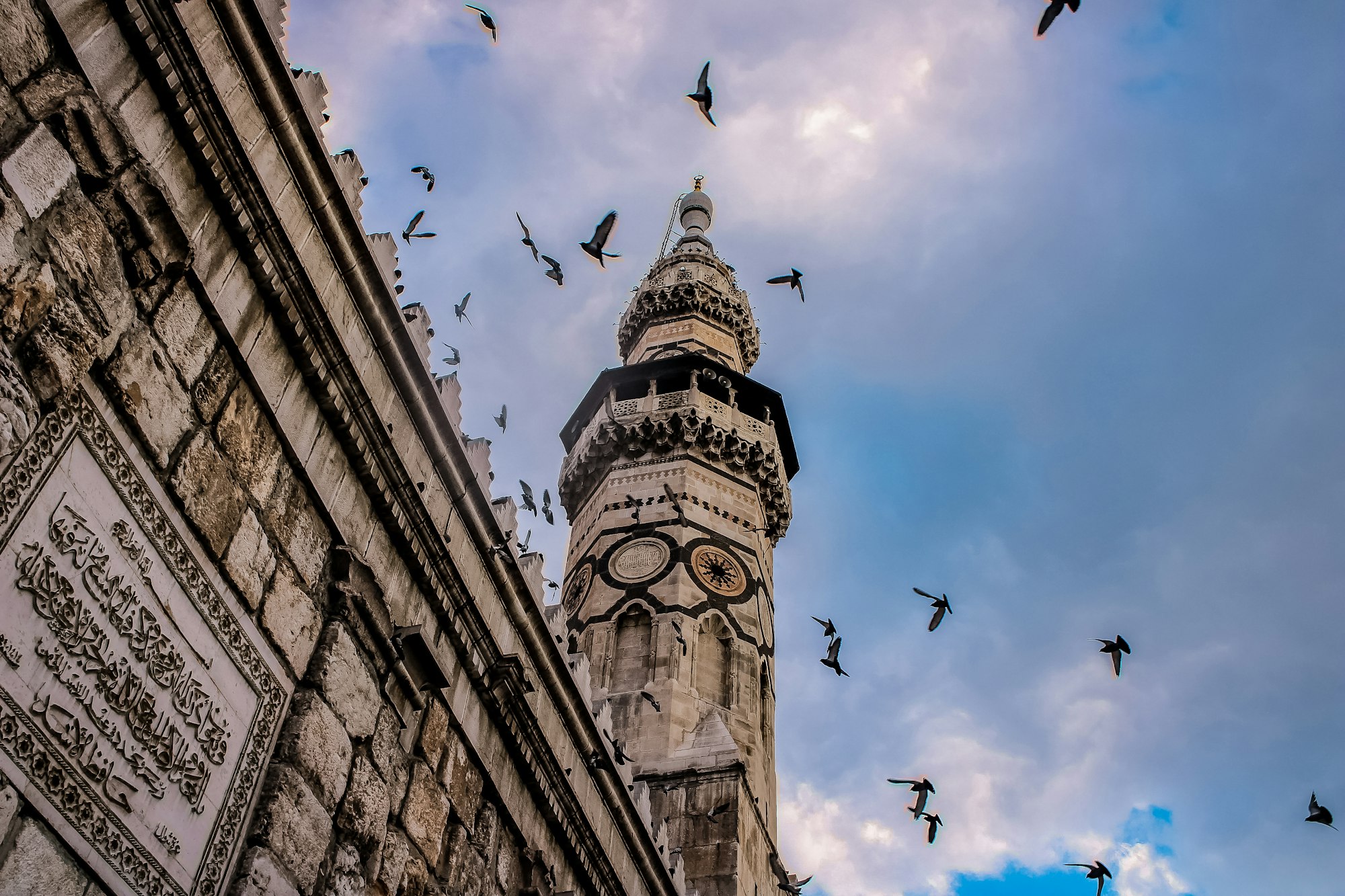
Israel and Gaza
No foreign-policy issue has generated more controversy during Berendsen's tenure than Israel and Gaza.
 The Hague Insider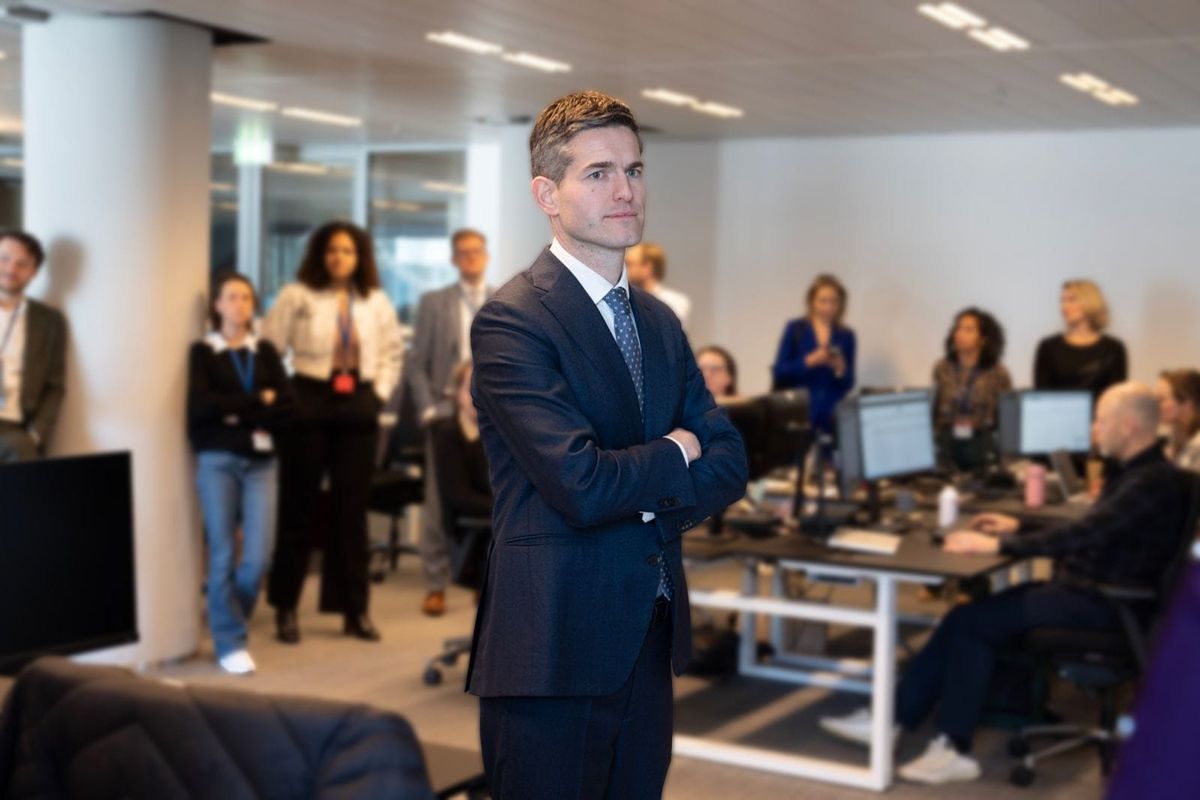
The Foreign Minister is navigating one of the most politically explosive issues in Dutch politics. His approach has steadily become more critical of Israeli actions.
 The Hague Insider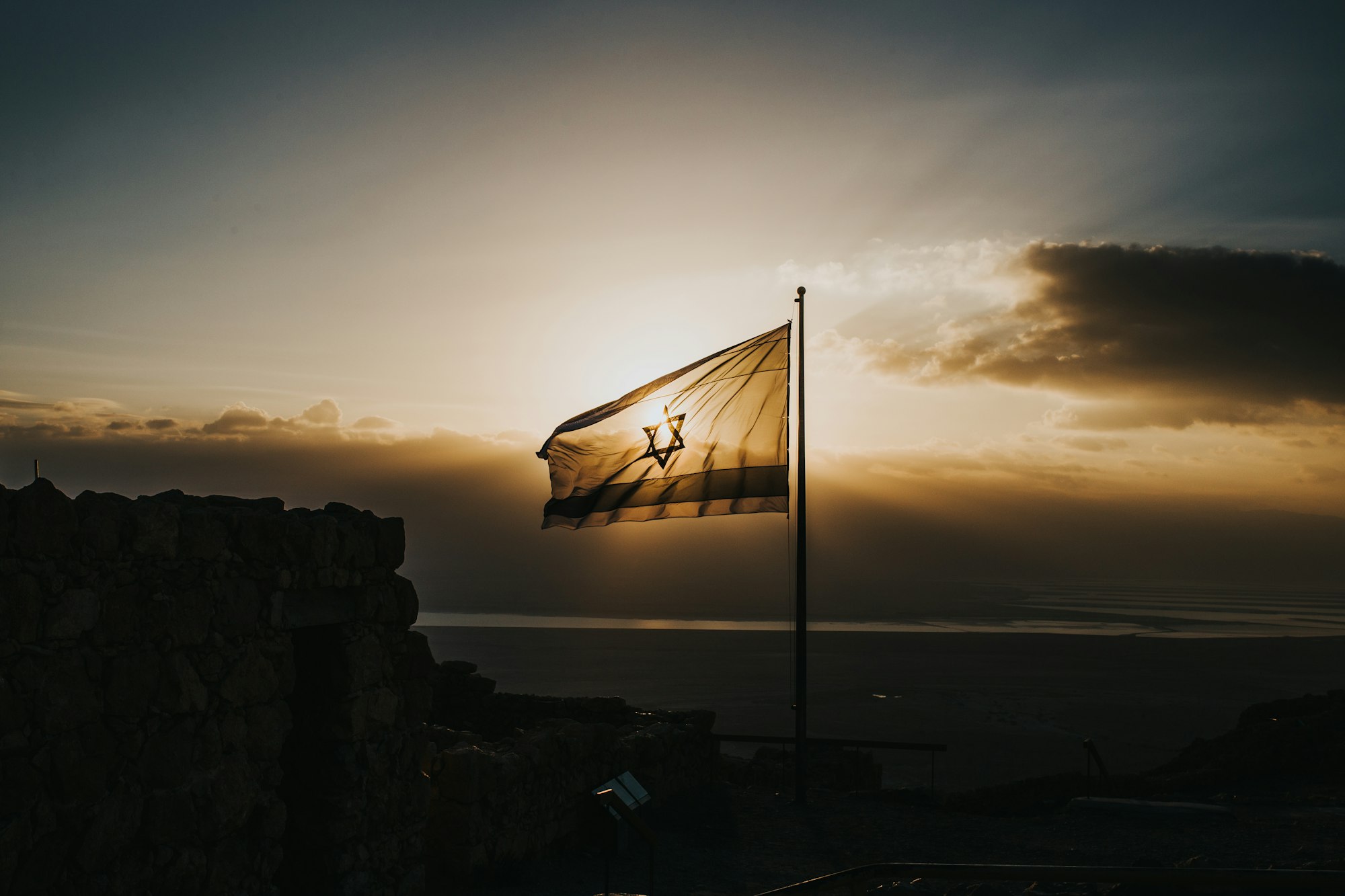
The Israel file has also exposed tensions inside the governing coalition. While Berendsen increasingly found himself advocating tougher European measures against Israel and speaking out more forcefully about developments in Gaza, VVD leader and Defence Minister Dilan Yeşilgöz often struck a different tone.
 The Hague Insider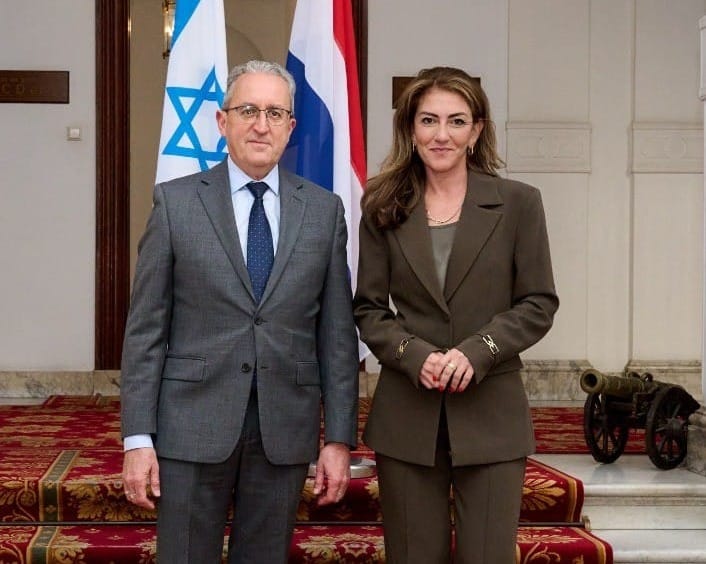
Looking ahead
Tom Berendsen's first months as Foreign Minister reveal a politician still growing into one of the most demanding roles in Dutch government. Yet a pattern is already emerging: more Europe, greater strategic autonomy, strong support for NATO, growing engagement with middle powers, and a willingness to adapt Dutch diplomacy to an increasingly uncertain world.
One coalition insider summarises his personal style this way:
“Berendsen is not particularly interested in competition with Dilan Yeşilgöz. Of course it's not ideal when she occasionally steals the spotlight, but he lets it slide.”
— Coalition source
For a minister operating in an era dominated by crises and headlines, that may turn out to be one of his most useful political qualities.
Enjoyed this Summer Briefing?
The Hague Insider provides exclusive reporting, political analysis, diplomatic insights and behind-the-scenes information from The Hague, Brussels and beyond.
 The Hague Insider