☀️ The Hague Insider Summer Briefing: ASML — the company at the centre of global power politics between the US, China and the Netherlands
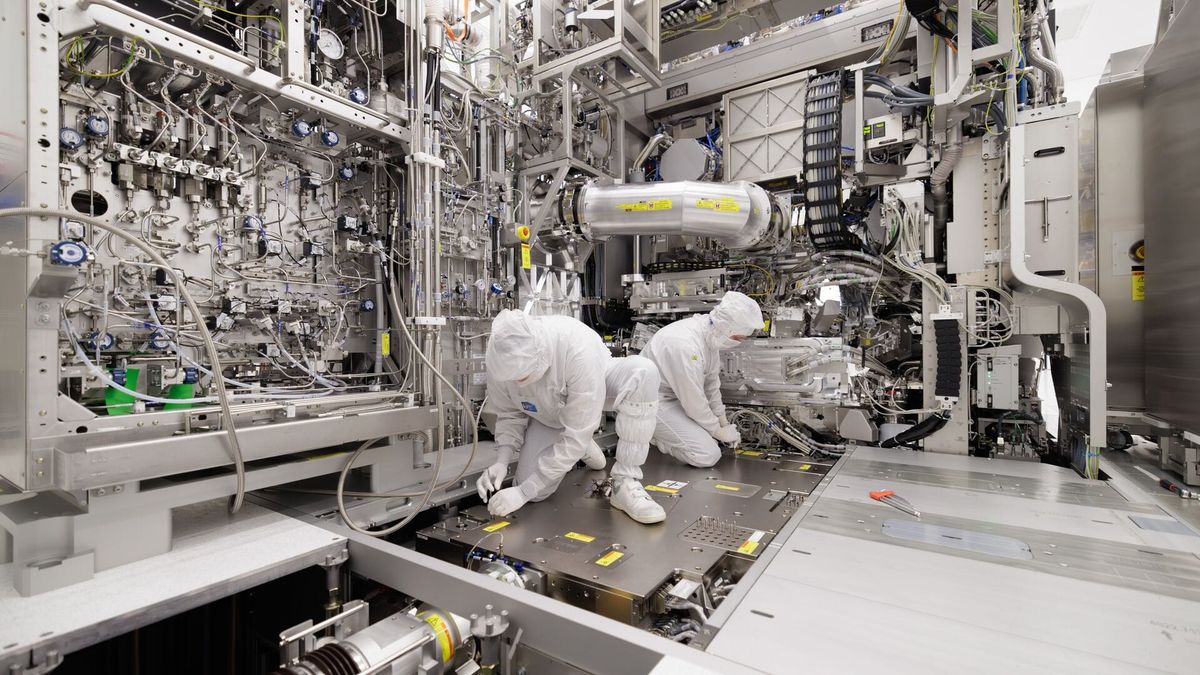
Every Saturday and Sunday this summer, The Hague Insider publishes a special Summer Briefing, taking a deep dive into the politicians, companies and policy dossiers shaping The Hague, Brussels and beyond. Today, we focus on a company that has become far more than a technology giant: ASML. The Veldhoven-based chip machine manufacturer has become a geopolitical asset, a diplomatic pressure point, and arguably one of the most strategically important companies in the world.
Our Summer Briefings are freely accessible during the summer period. If you'd like full access to our reporting, analysis and exclusive insights, we currently offer special summer subscription deals:
ASML is often described as Europe's most important technology company. In diplomatic circles in The Hague, some go even further.
The company's unique chipmaking machines have turned a relatively small country into a pivotal player in one of the most important geopolitical confrontations of the 21st century.
That position brings opportunities—but also constant pressure.
ASML, a foreign policy issue
Twenty years ago, ASML was primarily seen as a successful Dutch technology company. Today, it has become something much bigger: a foreign policy issue.
According to sources in The Hague, discussions about ASML no longer take place only at the Ministry of Economic Affairs. Officials at the Prime Minister's Office, the Foreign Ministry and multiple national security agencies are involved in managing the diplomatic fallout of the global semiconductor race.
As one source familiar with the discussions put it: "ASML is no longer just a company. It is a strategic asset."
That reality explains why a growing share of Dutch diplomacy with both Washington and Beijing now revolves around chips, export controls and semiconductor technology.
American concerns over China
Earlier this year, questions emerged in Washington about whether advanced chip technology connected to ASML had reached China. In The Hague, officials responded cautiously.
 The Hague Insider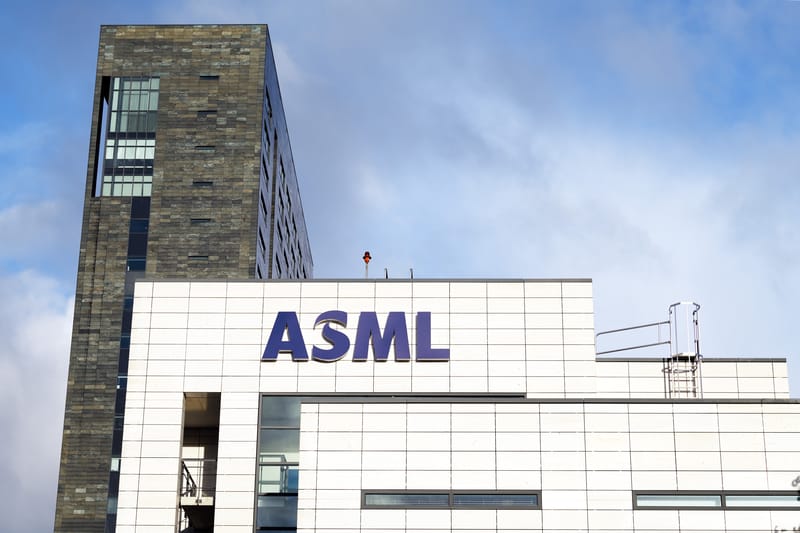
Shortly afterwards, Trade Minister Sjoerdsma made clear that Dutch investigations had found no evidence supporting the concerns.
 The Hague Insider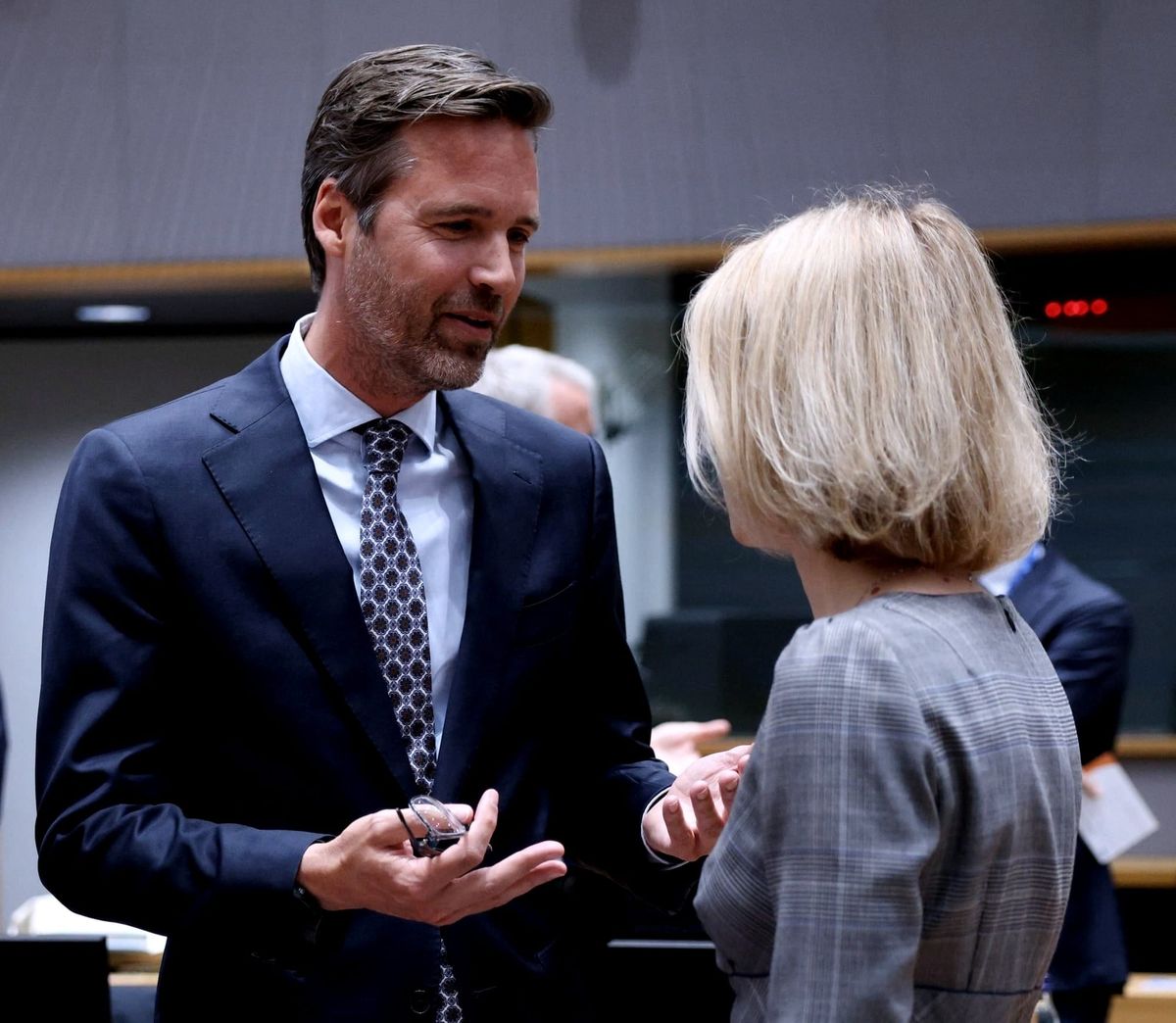
According to insiders, these disputes are not exceptional. Rather, they are part of a continuous negotiation process. Multiple sources describe the discussions between Dutch and American officials over export controls as a permanent battle, with meetings and consultations taking place almost constantly behind closed doors.
Behind closed doors
Public debate often focuses on whether complete chipmaking machines can be exported to China. The real negotiations are far more detailed.
According to insiders, discussions between the Netherlands, the United States, Japan and other partners frequently revolve around individual components, replacement parts, software updates and service agreements. Policymakers and technical experts examine what can still be exported, what requires a licence and which products may pose strategic risks.
One source described the process as "surgical."
The sensitivity of the negotiations partly explains the extraordinary level of secrecy surrounding the semiconductor dossier. Officials involved in the talks are often required to sign extensive confidentiality agreements, and details of discussions are rarely shared publicly—even with parliament.
A Strategic tug-of-war between Washington and Beijing
ASML finds itself at the centre of one of the defining geopolitical contests of our time.
The United States wants to limit China's access to advanced semiconductor technology. China wants to preserve access to foreign chipmaking equipment and expertise. The Netherlands, home to ASML, is caught in the middle.
According to sources, there are near-continuous consultations between Dutch and American officials on export controls. At the same time, the Dutch government seeks to maintain a functional economic relationship with China, which remains an important market for Dutch companies.
For The Hague, the challenge is clear: balancing a crucial security partnership with the United States while protecting economic interests and avoiding a complete technological decoupling from China.
The MATCH Act
The tensions became even more visible when lawmakers in Washington proposed the MATCH Act, legislation designed to increase American influence over chip-export controls.
The Dutch government responded unusually sharply. Officials warned against what they considered American pressure tactics and argued that export-control decisions remain a sovereign responsibility.
For policymakers in The Hague, the debate touches on a fundamental question: who ultimately decides what constitutes Dutch national security?
 The Hague Insider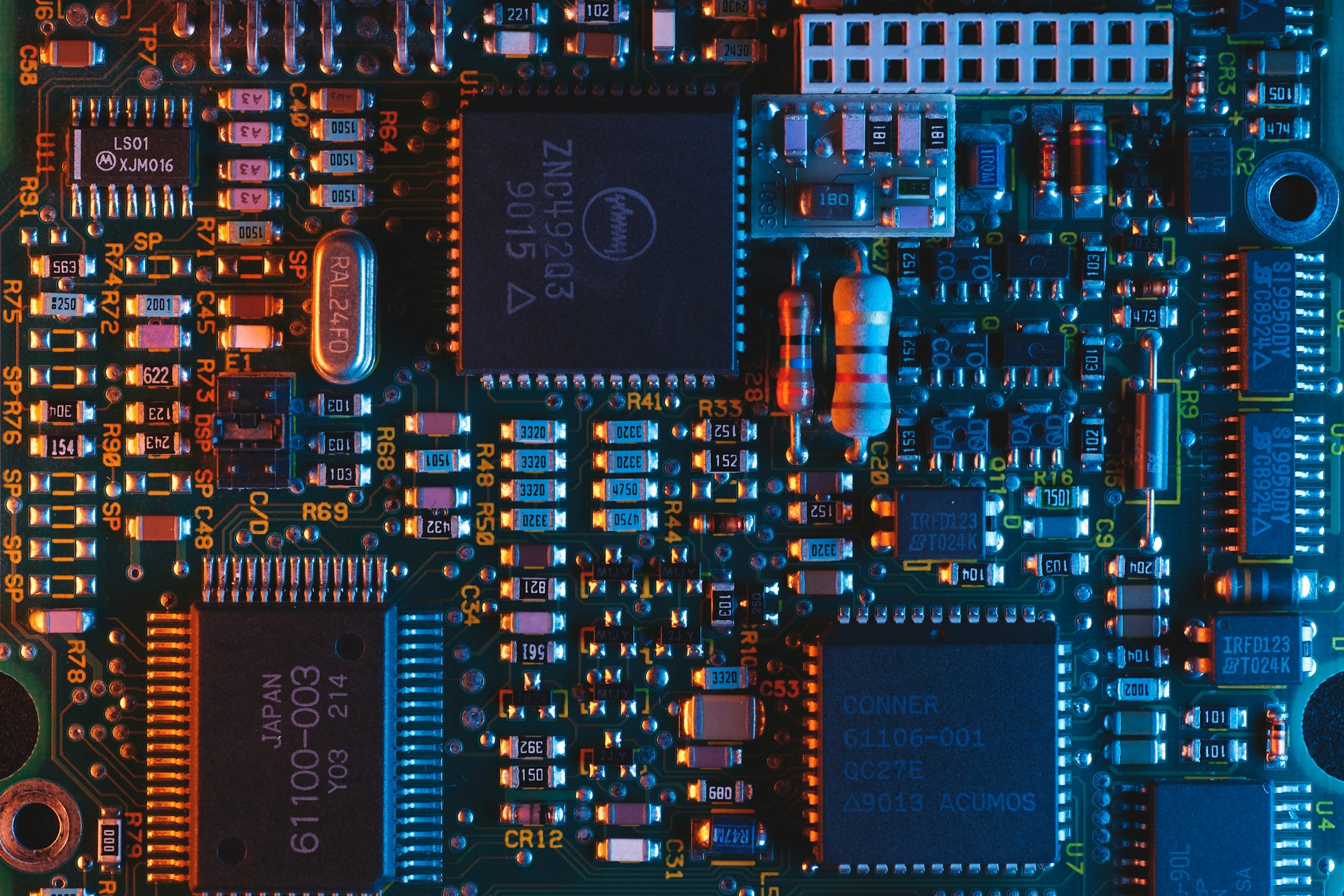
Dutch officials have repeatedly stressed that export controls are a national competence and that decisions should be based on Dutch and European security assessments—not on unilateral pressure from Washington.
Several sources describe a growing concern that the United States is gradually expanding restrictions step by step, creating what one insider called a "salami-slicing strategy" in which new controls become progressively more restrictive over time.
Yet at the same time, the Netherlands continued to deepen technological cooperation with the United States through the Pax Silica initiative.
 The Hague Insider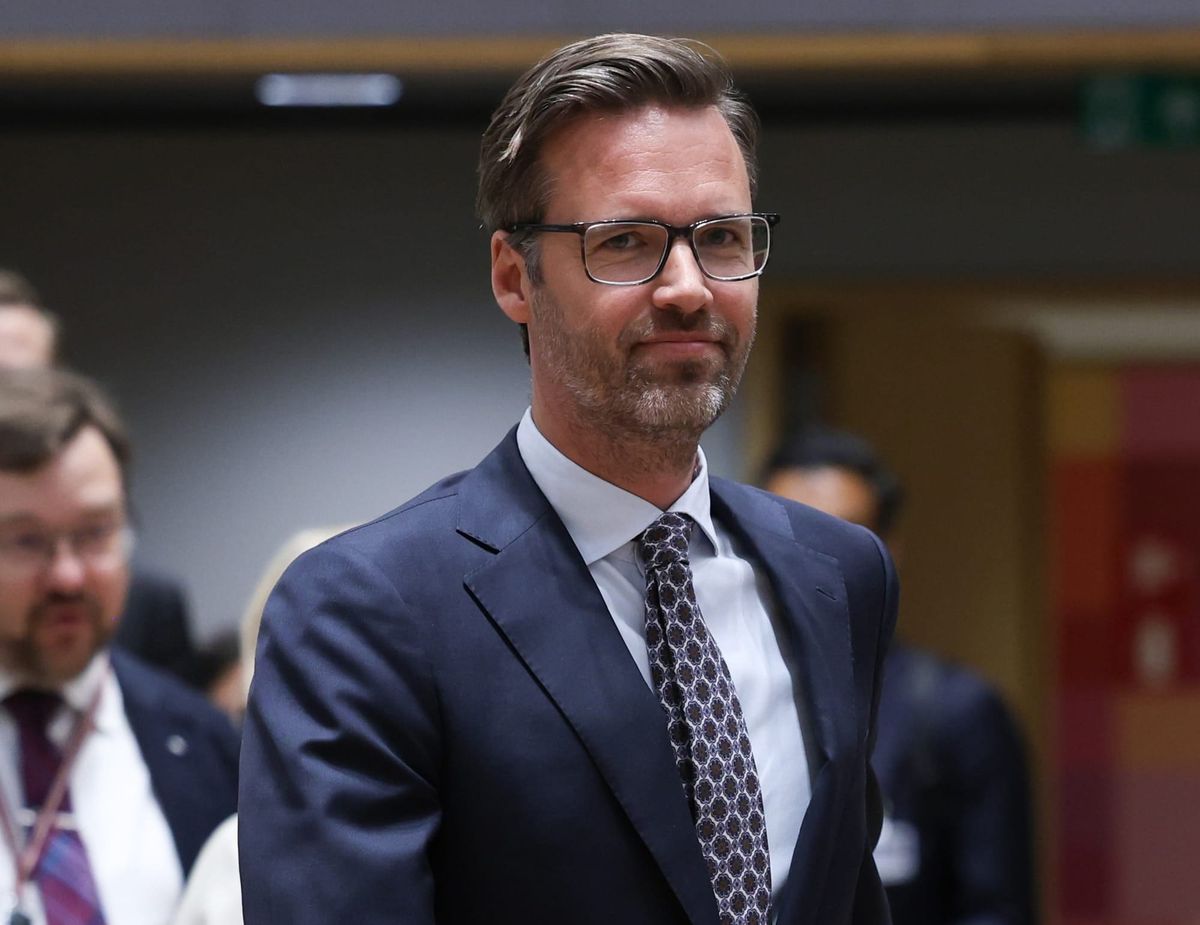
After returning from Washington, Sjoerdsma again publicly criticised the MATCH Act, illustrating the delicate balancing act facing Dutch policymakers.
 The Hague Insider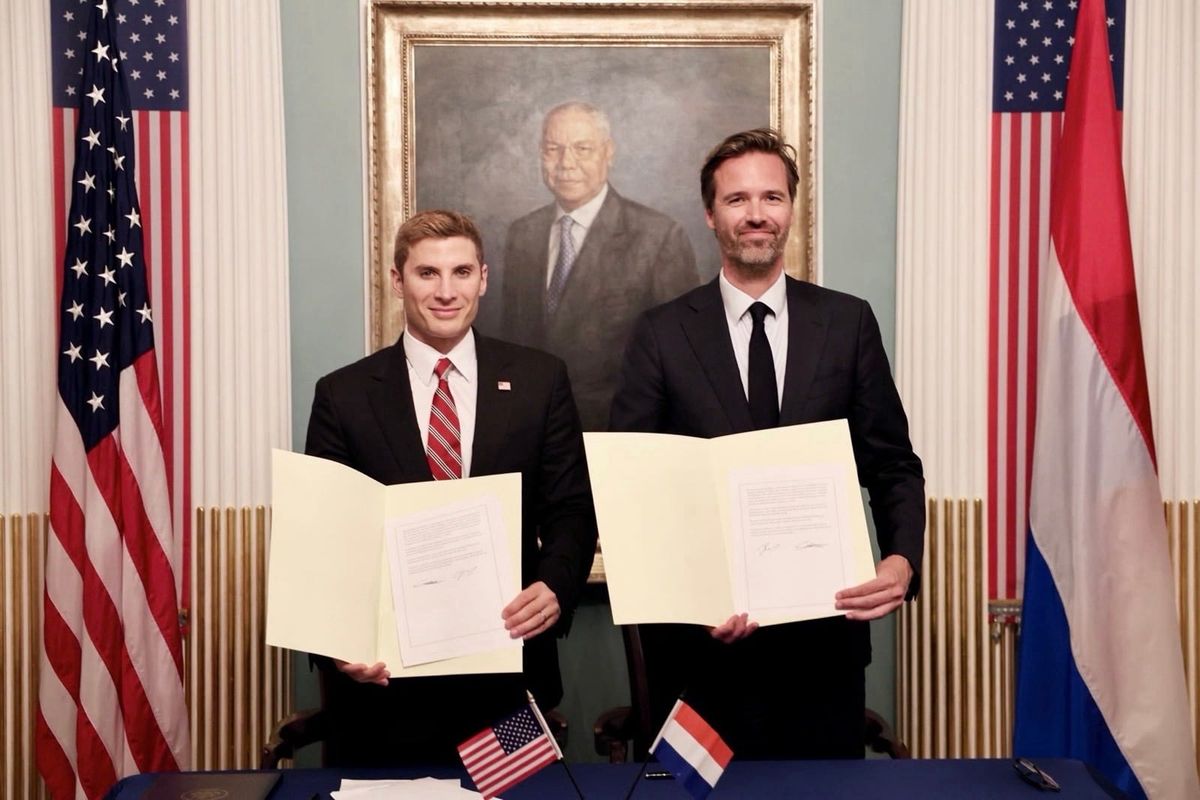
Behind the scenes, according to several sources, negotiations over chips and export controls are considered among the most sensitive diplomatic files in The Hague. Individuals involved in the talks are often required to sign extensive confidentiality agreements, reflecting the stakes involved.
China: an essential market
The Netherlands cannot ignore China either.
When Minister Sjoerdsma travelled to Beijing and Shanghai, ASML was one of the central topics discussed behind closed doors.
 The Hague Insider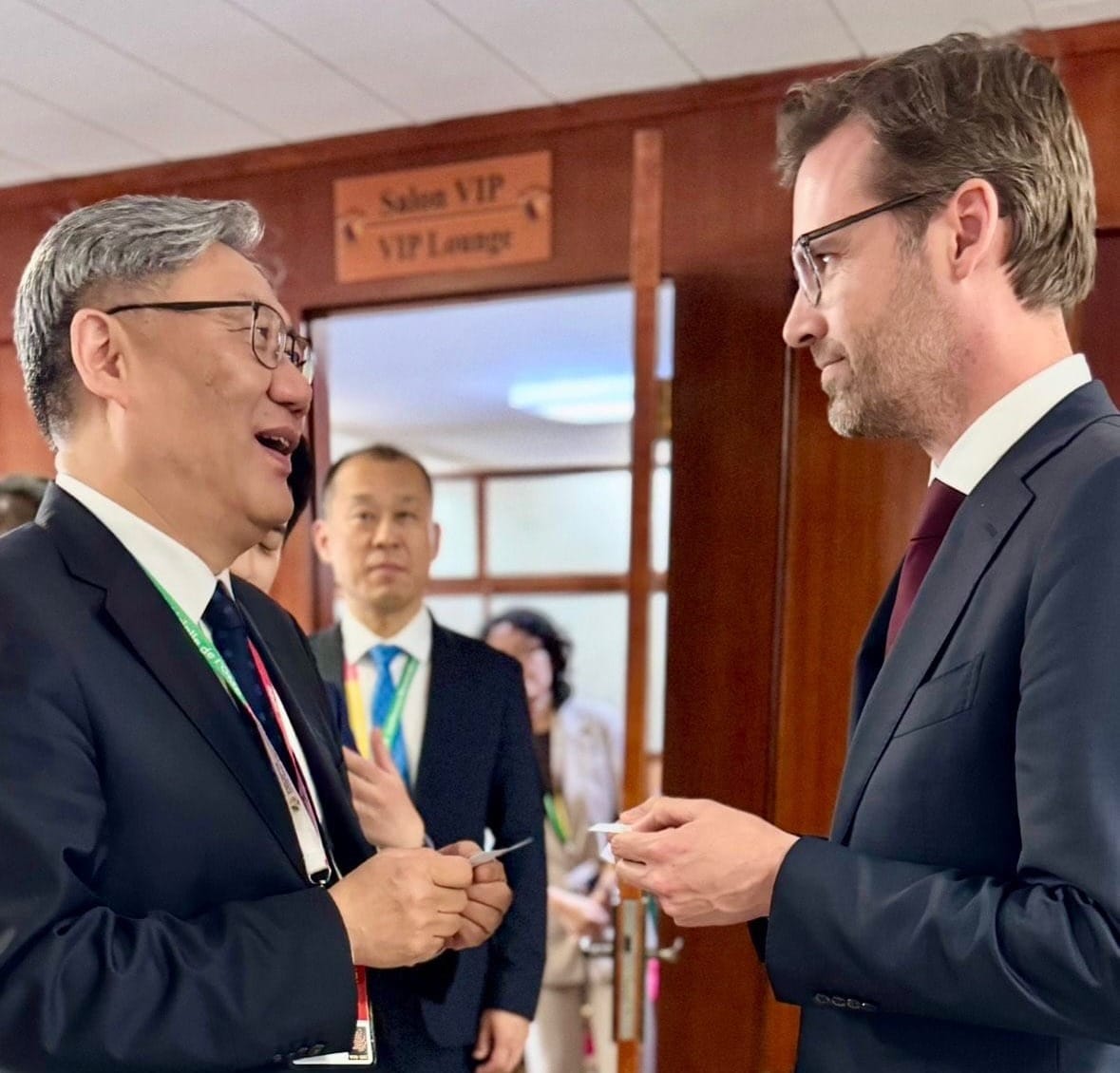
For ASML, this presents a difficult strategic dilemma.
The company continues to perform strongly, remains one of Europe's most valuable listed firms and benefits from high global demand for advanced chips. At the same time, company leaders must constantly weigh competing interests: expanding investments in the United States, complying with export restrictions, and maintaining relationships with customers in China.
 The Hague Insider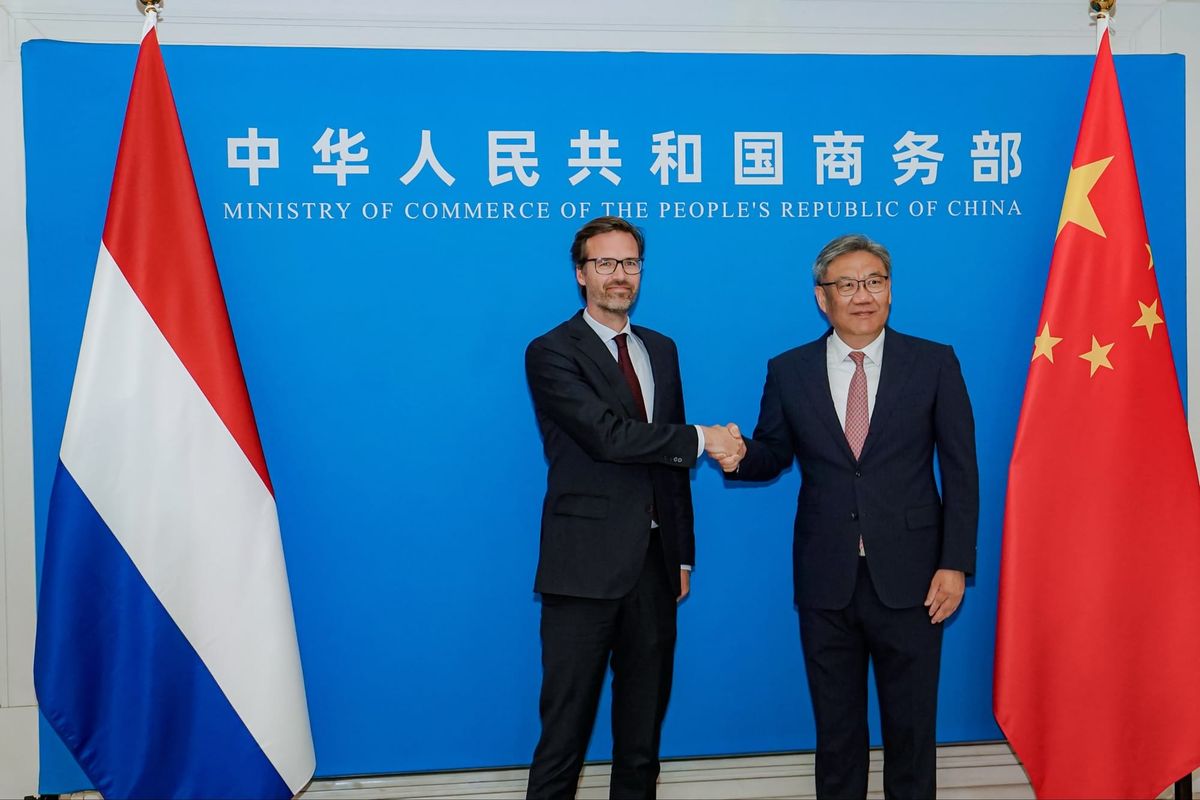
That balancing act is increasingly becoming a geopolitical challenge rather than merely a commercial one.
Why other countries also want a piece of ASML
ASML's strategic value is not limited to the US-China rivalry.
Countries around the world increasingly see cooperation with ASML as a national priority.
One recent example was Indian Prime Minister Narendra Modi's visit to the Netherlands, where semiconductor cooperation and ASML featured prominently in the discussions.
The interest demonstrates a broader trend: governments no longer see semiconductors simply as a business sector. They increasingly regard them as a matter of national security and strategic autonomy.
 The Hague Insider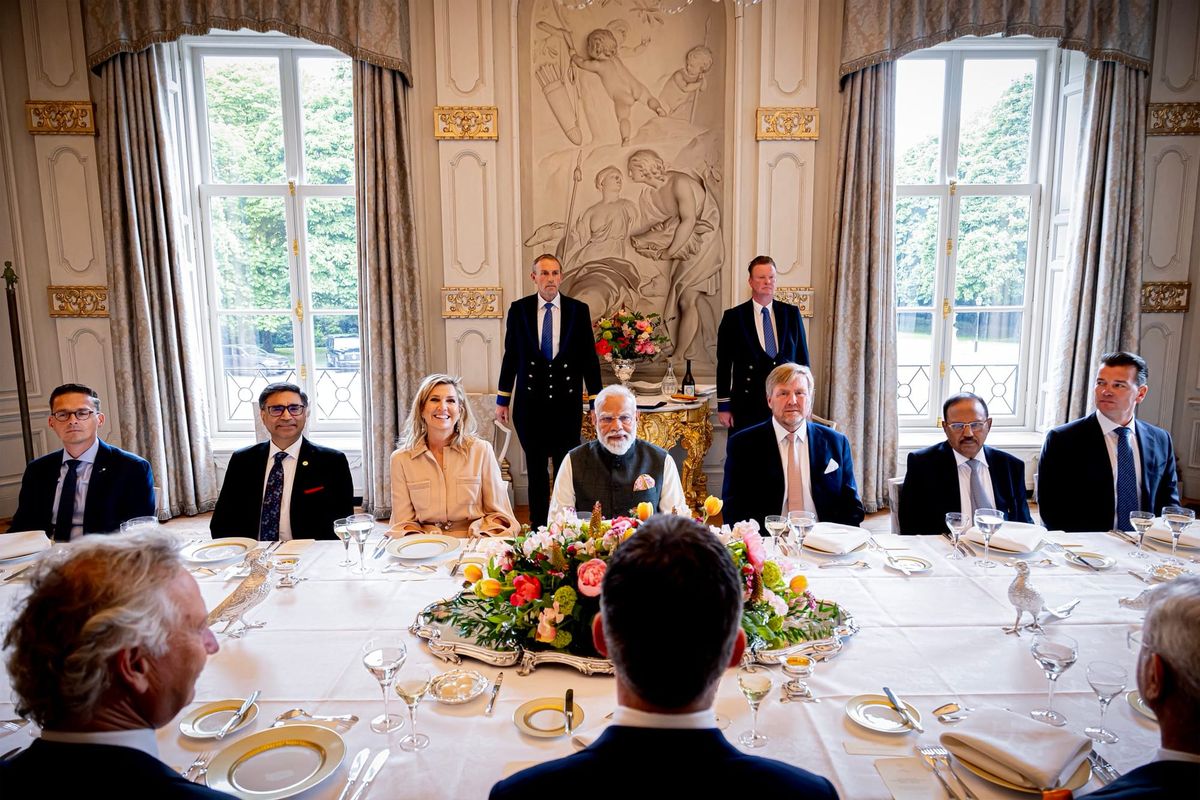
The Dutch effort to keep ASML in the Netherlands
ASML's importance also explains why the Dutch government has invested heavily in strengthening the Eindhoven region.
Project Beethoven was designed to ensure that ASML can continue growing in the Netherlands by addressing infrastructure, housing, talent shortages and economic development in the Brainport region.
But success creates its own complications.
According to sources involved in discussions around Brainport, there are ongoing conversations between national government, local authorities, Eindhoven and Veldhoven about growth, housing pressures and the impact of further expansion on the region.
A senior source involved in economic policy described the thinking in The Hague bluntly: "The Netherlands cannot afford to lose ASML."
The most important company in Europe?
ASML is often described as the most important company in the Netherlands. Increasingly, diplomats and policymakers argue that it may also be one of the most important companies in Europe.
At a time when Europe remains dependent on American cloud services, American AI companies and Asian manufacturing capacity, ASML occupies a unique position in a technology supply chain that is essential for artificial intelligence, defence systems, telecommunications and advanced industry.
Several diplomatic sources told The Hague Insider that ASML gives both the Netherlands and the European Union leverage in conversations with major powers.
As one insider put it:
"Without ASML, Europe would have far less influence in the global technology competition between the United States and China."
Stay ahead of The Hague
Enjoyed this Summer Briefing?
The Hague Insider provides exclusive reporting, political analysis, diplomatic insights and behind-the-scenes information from The Hague, Brussels and beyond.
 The Hague Insider