The Netherlands defends arms exports to the UAE under restrictive regime

The Dutch cabinet has acknowledged that it allowed arms exports to the United Arab Emirates (UAE) during a period of formally restrictive export controls, but insists these deliveries were lawful, deliberate and defensive in nature — and sees no reason to tighten policy or increase transparency towards parliament.
According to the government, the exports concerned deliberate exemptions within the so‑called presumption of denial (PoD) policy, which was in force until mid‑2023 and was intended in principle to block exports to countries including the UAE, Saudi Arabia and Turkey, in order to prevent Dutch equipment from being used in the wars in Yemen or Syria.
The clarification was given in answers to parliamentary questions prompted by reporting by investigative platform Follow the Money, which revealed that the Netherlands had exported military goods to the Gulf state despite the PoD regime.
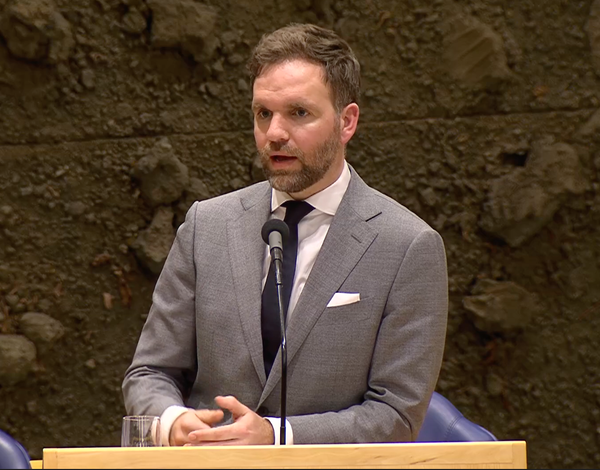
Minister for Foreign Trade and Development Cooperation Sjoerdsma writes that the PoD was not an absolute ban, but allowed room for certain exports.
'Not violated'
Licences for so‑called defensive equipment — such as systems to protect against incoming projectiles at sea or demining equipment — could be granted, the minister says, provided they passed the standard assessment and complied with European arms export criteria. “The PoD policy was not violated, but applied deliberately in line with its original objective: preventing unwanted use in Yemen or northern Syria,” Sjoerdsma writes.
The responses mark the first explicit acknowledgement that such exemptions were indeed used, and that they were weighed against what the government describes as a “legitimate security need” on the part of recipient states. The cabinet also points to current instability in the Middle East, which it says underscores demand for defensive capabilities.
'Defensive' or 'offensive'?
In practice, the distinction between “offensive” and “defensive” equipment is blurred. Radar and communications systems — cited in Follow the Money’s reporting — can also contribute to military operations. The minister acknowledges this debate but maintains that in all cases a positive assessment was reached based on European criteria, including the risks of human rights violations and regional escalation.
The PoD policy was permanently scrapped in 2023 and will not be reinstated. According to the government, the instrument proved unnecessary in practice, as existing European assessment criteria offered sufficient safeguards against undesirable exports.
As for the current situation in Sudan — where the UAE has been accused of supporting warring parties — the minister says there are no indications that goods exported under Dutch licences were diverted. The cabinet categorically rejects any suggestion of Dutch complicity in violations of international law.
Parliament not informed
Notably, parliament was not informed separately about the specific licences. The government says the exports fell below thresholds that trigger accelerated parliamentary notification. The Netherlands, it argues, is internationally among the most transparent countries when it comes to arms export controls, citing public reporting and annual debates.